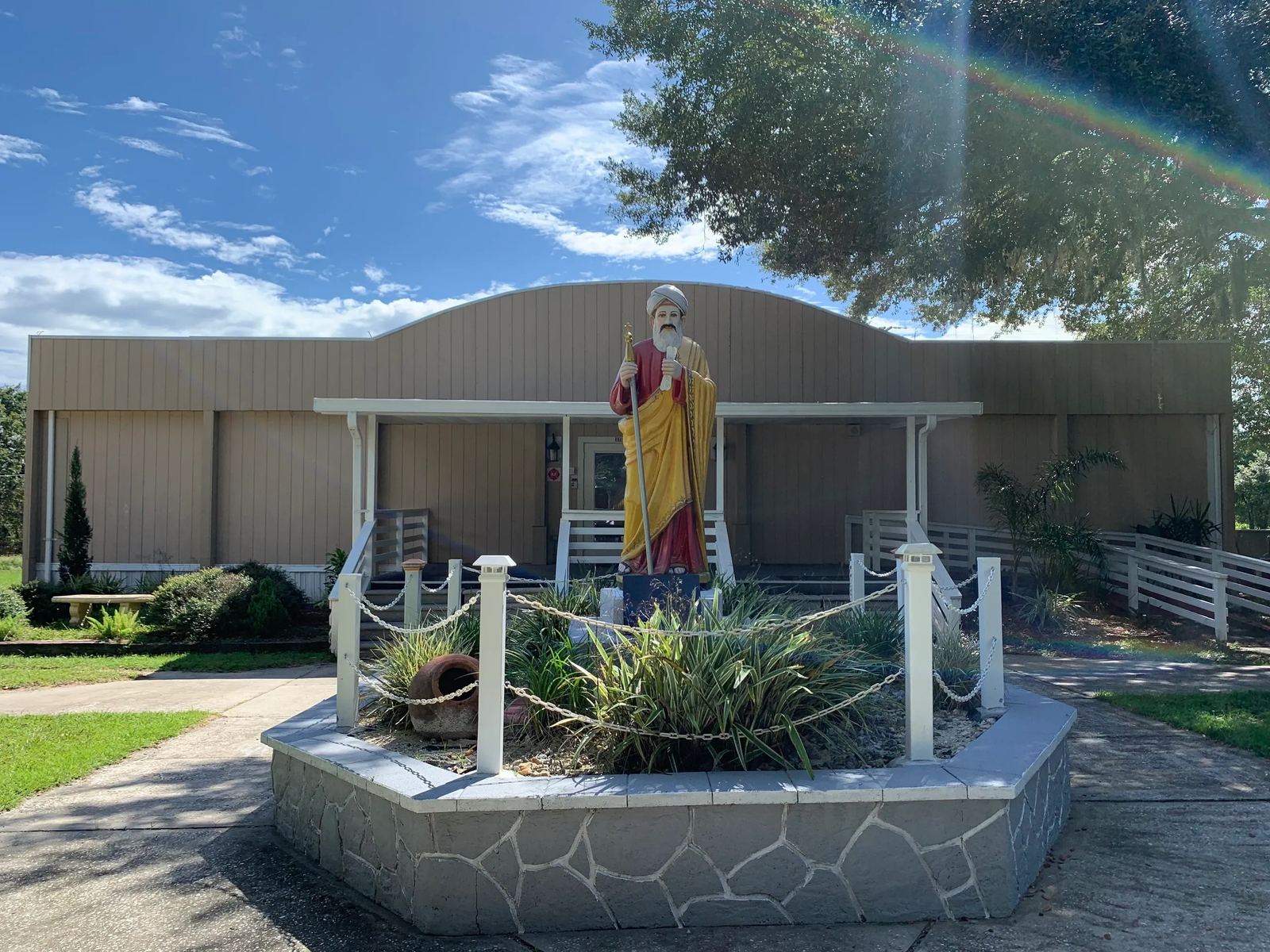
Thomas of Cana—also known as Knāi Thomman or Tomman Kinān—is a revered figure in the traditions of the Saint Thomas Christians of Kerala, India. He is said to have been a Syrian Christian merchant who led a 4th-century migration from Mesopotamia, becoming the ancestral patriarch of the Knanaya (Southist) community.
- Approximate arrival: c. AD 345
- Origin: Mesopotamia (Syriac Christian community)
- Arrival site: Kodungallur, Chera Kingdom, Kerala
- Venerated in: Syriac Orthodox and Syro-Malabar Catholic Churches
- Canonized: 6 March 1990 by Patriarch Ignatius Zakka I Iwas
Historical tradition
Accounts describe Thomas as a wealthy merchant who led seventy-two families—along with clergy headed by Bishop Uraha Mar Yousef—from Mesopotamia to Kerala. The Chera ruler, Cheraman Perumal, reportedly welcomed them and granted copper-plate charters (the “Thomas of Cana chepped”) conferring land and privileges . Scholars see this as reflecting an actual migration of East Syriac Christians that strengthened Indian links with the Church of the East .
Role in Knanaya identity
Thomas’s followers settled on the southern side of Kodungallur and became known as Thekkumbhagar (Southists). They maintained distinct endogamous customs and traced descent from these settlers, forming today’s Knanaya community. By contrast, the Vadakkumbhagar (Northists) identify with the older Saint Thomas Christians evangelized by the Apostle Thomas .
Etymology and debates
The epithet “of Cana” has uncertain roots. It may reference the biblical Cana or Canaan, or derive from the Syriac Knāyil, meaning “merchant.” Some modern scholars, such as Jacob Kollaparambil, argue the name evolved from Knāi, the Malayalam form used in local tradition .
Legacy and veneration
Thomas of Cana is honored as a saint by both Syriac Orthodox and Syro-Malabar Catholic traditions. His commemoration falls on the thirty-sixth day of Great Lent. Among Knanaya Christians worldwide, he symbolizes communal origin, trade heritage, and enduring ties between Indian and West Asian Christianity .