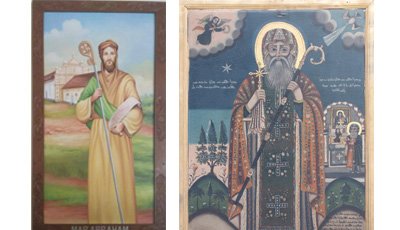
The Arrival of the Syriac Bishops
In 1490, following an appeal from the St. Thomas Christians of Malabar to the Patriarch of the Church of the East, two East Syriac bishops—Mar Yohannan (John) and Mar Thoma (Thomas)—arrived in Kerala to restore episcopal leadership. Mar Thoma later returned to Mesopotamia, while Mar Yohannan continued to minister among the Christians of Malabar.
One of the Indian delegates who had travelled to Mesopotamia to request bishops later accompanied Fr. Joseph the Indian (Joseph of Cranganore) to Portugal in 1502 and subsequently travelled to Rome. During Vasco da Gama’s second voyage to India in 1502, representatives of the St. Thomas Christians met him and established cordial relations with the Portuguese.
The Arrival of More Bishops in 1503–1504
A second group of East Syriac bishops reached Malabar around 1503–1504. They included Mar Yahballaha, Mar Denha (Dinkha), and Mar Yaqob (Jacob). Mar Yaqob became Metropolitan of India and remained in office until about 1552/53. During the early decades of Portuguese presence in India, relations between the Portuguese missionaries and the Syriac hierarchy were generally cooperative.
The Beginnings of Latinization
The cordial relationship gradually deteriorated as Portuguese ecclesiastical authorities sought to introduce the Latin rite and customs among the St. Thomas Christians. Missionaries, particularly the Jesuits, promoted Latin liturgical practices through institutions such as the Seminary of Cranganore (Kodungallur). Anything perceived as contrary to the Latin tradition was increasingly viewed as erroneous or even heretical.
Historical records indicate that many St. Thomas Christians resisted these changes. Graduates of the Cranganore Seminary were often not accepted by local communities to celebrate the Eucharist according to the Latin rite. A document dated 1592 notes that clergy trained in the Latin tradition were generally not appointed to Syriac churches.
The Formation of the Chaldean Catholic Patriarchate
Following the 1552 schism within the Church of the East, Yohannan Sulaqa entered into communion with Rome and was recognized by Pope Julius III as the first Chaldean Catholic Patriarch. His successor, Patriarch Abdisho IV Maron, sent Mar Joseph Sulaqa and Mar Elias to India around 1555–1556 to minister to the St. Thomas Christians.
Portuguese authorities, however, regarded all of India as falling under the Padroado jurisdiction and detained the bishops. Mar Joseph was eventually sent to Portugal in 1562, but after obtaining papal approval, he returned to India in 1564.
Mar Abraham and His Catholic Communion
Around 1556, Mar Abraham arrived in Malabar, having initially been sent by the traditional Patriarch of the Church of the East. Portuguese authorities regarded him as a “Nestorian” bishop and attempted to prevent his ministry, but the St. Thomas Christians—particularly the Knanaya community—protected him and helped him evade arrest by moving him through the territories of local rulers.
Between 1556 and 1558, Mar Abraham remained connected with the traditional Church of the East. Through the influence of Mar Joseph Sulaqa, Bishop Ambrose Buttigeg, and Fr. Antonio Zahara, he professed the Catholic faith at Cochin in August 1558.
Despite this profession of faith, the Portuguese arrested Mar Abraham and attempted to deport him to Portugal. Escaping during the journey, he reached Patriarch Abdisho IV Maron, who sent him to Rome. Pope Pius IV recognized him as Metropolitan of Angamaly, and he returned to India with papal authorization. Even then, the Portuguese imprisoned him once more at Goa, from where he escaped and resumed his ministry in Malabar.
Growing Tensions with the Portuguese
Meanwhile, Mar Joseph established his residence at Cochin and Cranganore. His relationship with the Latin hierarchy deteriorated, and he was accused of heresy by the Bishop of Cochin. He was sent to Rome, where he eventually died. Historical sources also associate him with the introduction of certain Latin liturgical elements, including the use of unleavened bread and Latin vestments in some churches.
Mar Abraham’s Final Years
Mar Abraham convened the Synod of Angamaly in 1583 and sought to preserve the East Syriac liturgical and ecclesiastical traditions while remaining in communion with Rome. However, the Goa Councils increasingly asserted Portuguese authority over the Church in Malabar and attempted to prevent the arrival of bishops not approved by the Padroado system.
Because Mar Abraham resisted several Portuguese directives, some missionaries accused him of heresy. In 1595, Pope Clement VIII authorized an investigation into his conduct. Before further action could be taken, relations between Mar Abraham and the Jesuits improved, and no formal trial followed. Mar Abraham died in 1597, bringing to an end the long succession of Mesopotamian bishops who had governed the St. Thomas Christians. His death paved the way for the intervention of Archbishop Aleixo de Menezes and the Synod of Diamper (1599), which formally accelerated the process of Latinization.
സുറിയാനി മെത്രാന്മാര് 1490 ല് കേരളത്തിലേയ്ക്ക് രണ്ടു സുറിയാനി മെത്രാന്മാര് വന്നു. മാര് ജോണ്- മാര് തോമസ് (മാര് തോമസ് തിരിച്ച് പോയി). ഇവരെ ഇന്ത്യയിലേയ്ക്ക് കൊണ്ടുവരാന് പാത്രിയര്ക്കീസിന്റെ അടുക്കലേയ്ക്ക് പോയവരിലൊരാള് ഫാ. ജോസഫ് കബ്രാളിനൊപ്പം 1502ല് പോര്ച്ചുഗലിലേയ്ക്ക് പോയി. പിന്നീട് റോമിലേയ്ക്കും. 1502 ല് മര്തോമ്മ ക്രിസ്ത്യാനികളുടെ പ്രതിനിധികള് വാസ്കോ ഡി ഗാമയെ കണ്ടു. 1504 ല് മാര് തോമ മെത്രാന് മറ്റു മൂന്നു പേരോട്കൂടെ മലയാളത്തിലേയ്ക്ക് വന്നു – മാര് യാബാലാഹ, മാര് ദനഹ, മാര് യാക്കോബ് (പിന്നീട് പാത്രിയര്ക്ക ഏലിയ 5). മാര് ജേക്കബ് 1550/52 വരെ ജീവിച്ചിരുന്നു. അക്കാലങ്ങളില് പോര്ച്ചുഗീസ് മിഷനറിമാരും സുറിയാനിക്കാരും തമ്മില് നല്ല ബന്ധമുണ്ടായിരുന്നു. പെന്തയാദോ എന്ന മിഷനറിയാണ് ലത്തിനീകരണം ശക്തമായി ആരംഭിച്ചത്. കൊടുങ്ങല്ലൂര് സെമിനാരിയില് പഠിപ്പിച്ചവരും പഠിച്ചിറങ്ങിയവരും ലത്തിനീകരണം ശക്തമാക്കി. ലത്തീന് ക്രമത്തിന് വിരുദ്ധമായതെല്ലാം പാഷണ്ഡതയായിരുന്നു. കോടുങ്ങല്ലൂര് സെമിനാരിയില് പഠിച്ചിറങ്ങിയവരെക്കൊണ്ട് ലത്തീന് കുര്ബാന ചൊല്ലിക്കാന് മാതാപിതാക്കള് പോലും അനുവദിച്ചില്ല. സുറിയാനിയില് കൊടുങ്ങല്ലൂരും, ലത്തീനില് കൊച്ചിയിലും കുര്ബാനചൊല്ലി. അവരാരും സുറിയാനിക്കാരുടെ പള്ളികളില് നിയമിക്കപ്പെട്ടില്ലയെന്ന് 1592 ലെ രേഖയില് കാണുന്നു.
കല്ദായ സഭയുടെ രൂപീകരണത്തോടെ (1553 മാര് സുലാക്കയുടെ പുനരൈക്യത്തോടെ) മാര് സുലാക്കയെ ബാബിലോണിയന് പാത്രിയര്ക്കയായി ജൂലിയസ് 3 മന് പാപ്പ അംഗീകരിച്ചു. 1556 ല് മാര് സുലാക്കയുടെ സഹോദരനായ മാര് യൗസേപ്പിനെയും (ജോസഫ്) മാര് ഏലിയായെയും ഇന്ത്യയിലേക്കയിച്ചു. പോര്ച്ചുഗീസ് നേതൃത്വം അദ്ദേഹത്തെ തടവിലാക്കി. ഇന്ത്യ മുഴുവന് പോര്ച്ചുഗീസ് പദ്രുവാദോ ‘ഭരണത്തിനുള്ളതാണ് എന്നാണ് അവര് കരുതിയത്. സുറിയാനി മെത്രാന്മാരെ സ്വതന്ത്രരാക്കി, അവരെ ലത്തീന് ക്രമം പഠിപ്പിച്ചു. മാര് ഏലിയ പാത്രിയര്ക്കീസിന്റെ പക്കലേയ്ക്കും തുടര്ന്ന് റോമിലേയ്ക്കും പോയി. 1562 ല് മാര് ജോസഫ് പോര്ച്ചുഗലിലേയ്ക്ക് അയയ്ക്കപ്പെട്ടു. 1564 ല് പാപ്പയുടെ അനുമതി പത്രത്തോടെ തിരികെ വന്നു.
1556 ല് മലബാറിലെത്തിയ മാര് അബ്രാഹം നെസ്തോറിയന് സഭയില്നിന്നുള്ള വ്യക്തിയാണെന്നായിരുന്നു പോര്ച്ചുഗീസുകരുടെ വാദം. (അസീറിയന് സഭയെ നെസ്തോറിയന് സഭയെന്നാണ് പാശ്ചാത്യര് പൊതുവെ വിളിച്ചിരുന്നത്). അദ്ദേഹം മലബാറിലേക്ക് പ്രവേശിക്കുന്നത് തടയാന് പോര്ച്ചുഗീസുകാര് ശ്രമിച്ചുവെങ്കിലും ഫലവത്തായില്ല. സുറിയാനി ക്രിസ്ത്യാനികള് ക്നാനായക്കാര് പ്രത്യേകിച്ചും അദ്ദേഹത്തെ തങ്ങളുടെ ജീവന് പണയം വച്ചുപോലും സംരക്ഷിക്കുകയും വടക്കുംകൂര് രാജ്യത്തില്നിന്ന് അടുത്ത നാട്ടു രാജ്യത്തിലേക്ക് രക്ഷിച്ചുകൊണ്ടുപോകുകയും ചെയ്തുപോന്നു. 1556 മുതല് 1558 വരെ മാര് അബ്രാഹം അസീറിയന് സഭയോടുള്ള തന്റെ ബന്ധം നിലനിര്ത്തി.
മാര് അബ്രാഹവും കല്ദായബന്ധവും (കത്തോലിക്ക ബന്ധം)
കല്ദായ സഭയില്നിന്ന് അയയ്ക്കപ്പെട്ട മാര് ജോസഫ് മെത്രാനും അദ്ദേഹത്തിന്റെ കൂടെ വന്ന ബിഷപ്പ് അംബ്രോസ് ബുറ്റിഗെഗ്, അദ്ദേഹത്തിന്റെ സെക്രട്ടറി ഫാ. അന്തോണിയൂസ് സഹാറ ഒ.പി. തുടങ്ങിയവരുടെ പ്രേരണയും ഉപദേശവും വഴി മാര് അബ്രാഹം നെസ്തോറിയന് വിശ്വാസം ഉപേക്ഷിച്ചു 1558 ആഗസ്റ്റ് മാസം കൊച്ചിയില്വച്ചു കത്തോലിക്കാവിശ്വാസം പ്രഖ്യാപിച്ചു. എന്നിരുന്നാലും പോര്ച്ചുഗീസുകാര് മാര് അബ്രാഹത്തെ കൊച്ചിയില്നിന്ന് ഗോവയിലേക്കും അവിടെനിന്ന് വിദേശത്തേക്കും (പോര്ച്ചുഗല്) അയച്ചു. യാത്രാമധ്യേ രക്ഷപെട്ട്, മാര് അബ്രാഹം കല്ദായ (കത്തോലിക്കാ) സഭയുടെ പാത്രിയര്ക്കീസായിരുന്ന മാര് അബ്ദീശോയുടെ അടുക്കലെത്തി ബന്ധം സ്ഥാപിച്ചു. മാര് അബ്ദീശോ പാത്രിയര്ക്കീസ് മാര് അബ്രാഹത്തെ റോമാ യിലെ പീയൂസ് നാലാമന് മാര്പാപ്പയുടെ അടുക്കലേക്ക് അയച്ചു.
അദ്ദേഹം റോമിലേയ്ക്ക് പോയി മാര്പാപ്പയുടെ അനുമതി നേടി. പിന്നീട് അങ്കമാലിയുടെ മെത്രാപ്പോലീത്തയെന്ന അധികാരത്തോടെ തിരികെ വന്നു. തിരികെ ഗോവയിലെത്തിയ മാര് അബ്രാഹത്തെ വീണ്ടും പോര്ച്ചുഗീസുകാര് തടവിലാക്കി. പക്ഷേ രാത്രിയില് അദ്ദേഹം രക്ഷപെട്ടു മലബാറിലെത്തി. ഈ സമയത്ത് മലബാറിലുണ്ടായിരുന്ന മാര് യൗസേപ്പ് (ജോസഫ്) കൊച്ചിയിലും കൊടുങ്ങല്ലൂരുമായിട്ടായിരുന്നു തന്റെ ആസ്ഥാനം തെരഞ്ഞെടുത്തത്. ഇത് ഇഷ്ടമല്ലാതിരുന്ന കൊച്ചി മെത്രാന് അദ്ദേഹത്തെ പാഷണ്ടത ആരോപിച്ചു വിചാരണയ്ക്കായി റോമിലേയ്ക്കയച്ചു. അവിടെവച്ച് അദ്ദേഹം മരിച്ചു. മാര് യൗസേപ്പായിരുന്നു മലബാറില് ലത്തീന് ആരാധനക്രമ വസ്ത്രങ്ങളും പുളിപ്പില്ലാത്ത അപ്പവും നടപ്പാക്കിയത്.
1575 ല് ഗോവയില് നടന്ന കൗണ്സിലില് പങ്കെടുക്കാന് പാപ്പ നിര്ദേശിച്ചു. മാര് അബ്രാഹത്തിന്റെ അര്ക്കദ്യാക്കോന് മിശിഹായുടെ ഗീവര്ഗീസ് ആയിരുന്നു. പാലയൂരിന്റെ മെത്രാനായി അദ്ദേഹത്തെ തെരഞ്ഞെടുത്തെങ്കിലും അഭിഷേകം ചെയ്തില്ല. വൈദിക വിവാഹം നിര്ത്തല് ചെയ്തു. വൈപ്പിന്കോട്ടയില് ജസ്യൂട്ട് സെമിനാരി സ്ഥാപിക്കപ്പെട്ടു. 1585 ലെ ഗോവന് കൗണ്സില് മാര്പ്പാപ്പയുടെയും മറ്റും അധികാരമില്ലാത്ത മെത്രാന്മാര് അങ്കമാലിയിലേയ്ക്ക് വരുന്നത് തടഞ്ഞു. ഫാ. റോസിനെ സഹായിയായി നിയമിച്ചു. പൊന്തിഫിക്കാലുകളും പ്രാര്ത്ഥനകളും ലത്തീനില്നിന്ന് സുറിയാനിയിലാക്കി നടപ്പിലാക്കാന് നിശ്ചയിച്ചു. തുടര്ന്നുള്ള കൗണ്സിലില് പങ്കെടുക്കാനോ 1585 ലെ കൗണ്സില് തീരുമാനങ്ങള് നടപ്പാക്കാനോ മാര് അബ്രാഹം തയ്യാറായില്ല. അതിനാല് മാര് അബ്രാഹം പാഷണ്ഡതയുള്ളയാളാണന്ന് മിഷനറിമാര് മുദ്രകുത്തി.
മാര് അബ്രാഹത്തെ വിചാരണ ചെയ്യാന് മാര്പാപ്പ 1595 ല് ഗോവന് മെത്രാപ്പോലീത്തയ്ക്ക് അനുമതി നല്കി. അക്കാലത്ത് ഗോവന് സിംഹാസനത്തില് ആളില്ലായിരുന്നു. തുടര്ന്ന് മെനേസിസ് അവിടെ നിയമിതനായി. മെനേസിസന്റെ വരവിനു മുമ്പേ മാര് അബ്രാഹവും ജസ്യൂട്ടുകാരും തമ്മില് രമ്യതയിലായി. അതിനാല് മറ്റു നടപടികളുണ്ടായില്ല. മിശിഹായുടെ ഗീവര്ഗീസ് എന്ന അര്ക്കദ്യാക്കോന്റെ പിന്ഗാമിയായി തെരെഞ്ഞെടുക്കപ്പെട്ട കുരിശിന്റെ ഗീവര്ഗീസ് എന്ന അര്ക്കദ്യാക്കോനെ തന്റെ പിന്ഗാമിയായി നിയമിക്കണമെന്ന് മാര് അബ്രാഹം ആവശ്യപ്പെട്ടു. പക്ഷേ നടന്നില്ല. മാര് അബ്രാഹം 1597 ല് മരിച്ചു.