One of the principal themes found in the ancient songs that form the foundation of the customs, rituals, and identity of the Southist (Thekkumbhagar) Knanaya community is the tradition of the 72 privileges granted by the Chera ruler, Cheraman Perumal, to Knāyithomman (Thomas of Cana). The documentary evidence traditionally associated with this royal grant is known as the Knāyithomman Copper Plates.
Inscriptions
In ancient times, kings, local rulers, and chieftains recorded grants of privileges, rights, lands, exemptions, and honors bestowed upon individuals, communities, temples, and other institutions on durable writing materials such as clay tablets, stone, palm leaves, and copper plates. Such records are generally known as inscriptions.
Examples of inscriptions engraved on stone include the inscriptions in the Edakkal Caves of Wayanad, the Ezhuthukallu inscription near Punjakkad in the Nedungayam Forest Division of Malappuram, and the rock engravings at Marayur in Idukki. The Vazhappally Inscription, regarded as the earliest extant dated inscription in Kerala, is also engraved on stone. Many temples in Kerala preserve royal inscriptions carved on stone walls or specially erected stone slabs.
Matters of comparatively lesser importance were often recorded on palm leaves. Since palm leaves have a much shorter lifespan than stone or copper, even well-preserved manuscripts rarely survive beyond six centuries.
Inscriptions engraved on copper plates are known as copper plate charters. They are also referred to as Chempola, Chempupattayam, or Cheppedu in Malayalam. Most royal grants of lasting significance were recorded on copper plates because of their durability. Numerous copper plate charters have been discovered in Kerala, almost all of which are connected with royal administration, temples, commerce, or religious institutions.
Commercial Charters
The Kerala rulers issued several royal charters to encourage overseas trade and commercial development. Among the important commercial charters are the Knāyithomman Copper Plates, the Tharisappally Copper Plates, the Veeraraghava Charter, the Jewish Copper Plates, and the stone inscription of Iraya Chinkapperuman Adikal at Thazhekkad near Kodungallur. These grants are generally understood to have been issued in favor of non-Hindu religious communities.
The Knāyithomman, Tharisappally, and Veeraraghava charters are closely related to one another, dealing both with maritime commerce and the Christian community. Consequently, these three charters occupy a central place in the study of Kerala’s commercial and ecclesiastical history.
The Knāyithomman Copper Plates
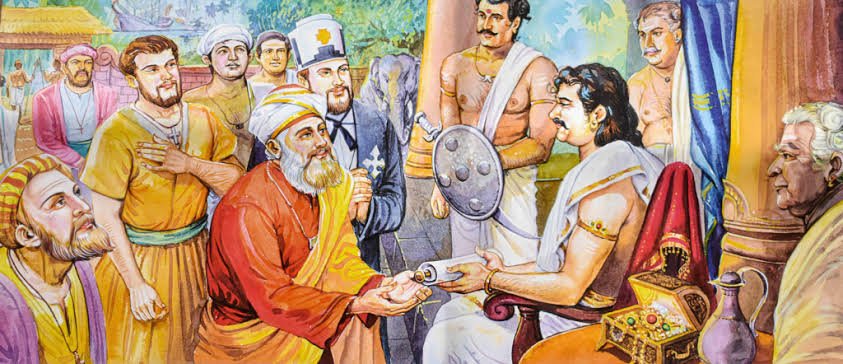
According to long-standing tradition, the Chera ruler who governed from Kodungallur granted a copper plate charter to Knāyithomman (Thomas of Cana), conferring upon him and his followers numerous privileges and honors. This charter serves as the traditional documentary basis for many Southist customs, including ceremonial attire, musical instruments, decorative processions, and several aspects of the community’s distinguished social and Christian life at Kodungallur. It is also regarded as the primary historical source for studying these traditions, including the royal crown known as the Vēndanmudi.
The Chera ruler is said to have conferred upon Thomas of Cana the honorary title Kocherakon Knāyithomman, incorporating part of his own royal designation. He also granted him 264 elephant-measure units of tax-free land at Mahodayapuram (Kodungallur) for establishing a settlement. On this land, Thomas is traditionally believed to have built 72 houses and three churches.
Among the honors bestowed upon him were the right to fold the plantain leaf after meals—a privilege later regarded as a mark of aristocratic status—and the Vēndanmudi, a golden ceremonial crown. (Traditional Vēndanmudi crowns are today preserved at the Chunkom Church near Thodupuzha.) In addition, the ruler granted 72 distinct privileges, to be enjoyed by Thomas and his descendants “as long as the sun and moon endure.”
These privileges included the right to wear distinctive garments and ornaments, use ceremonial musical instruments, ride prestigious vehicles, and observe various customs. Among the ornaments mentioned are the Uchippoovu, Kacha, Kachappuram, Kankanam, ankle ornaments, anklets, bracelets, Kaithala, ceremonial sword, silk garments, silk shawls, silk mundu, medallions, embroidered garments, ceremonial headgear, shoulder ornaments, forehead ornaments, and the Veerasringhala (hero’s chain).
The privileges also extended to the use of elephants, horses, palanquins, Ambari (howdah), Aintholam (a special ceremonial palanquin), and Thookkumancham (a ceremonial swing-bed). According to traditional accounts, Knāyithomman and his followers were accorded social precedence over several occupational and caste groups, including the Poonjanar, Panar, Villan, carpenters, blacksmiths, barbers, merchants, Manigramam artisans, Ezhavas, Kammalans, Māmmodīsans, and others.
Tradition further maintains that Thomas of Cana extended these royal honors and privileges to the entire Syrian Christian community. Consequently, Syrian Christians as a whole came to be regarded as belonging to an honored social rank within Kerala society.
The Lost Charter
The original Knāyithomman Copper Plates are not known to survive today. Nevertheless, historical traditions and documentary references leave little doubt that such a charter once existed.
The Portuguese official Pero de Sequeira, custodian of the Cochin Fort, is reported to have recovered the copper plates and deposited them in the fort. This fact was mentioned by Damião de Góis in a report written in 1566. Bishop Francis Ros also referred to the charter in his writings. At some later period, however, the original copper plates disappeared, and their subsequent fate remains unknown.
Source: Apnadesh
ക്നായിത്തൊമ്മന് ചെപ്പേട് -1
തെക്കുംഭാഗ ആചാരങ്ങളുടെയും ചടങ്ങു കളുടെയും അതുവഴി തെക്കുംഭാഗ അസ്തിത്വത്തിന്റെ തന്നെയും അടിസ്ഥാനമായ പുരാതനപ്പാട്ടുകളിലെ ഒരു പ്രധാന പ്രതിപാദ്യവിഷയവും അടിസ്ഥാന ആകരവും ചേരമാന് പെരുമാള് ക്നായിത്തോമ്മായ്ക്ക് നല്കിയ 72 പദവികള് ആണെന്നും ഈ മഹാദാനത്തിന്റെ സാക്ഷിപത്രം ക്നായിത്തൊമ്മന് ചെപ്പേടുമാണ്.
ശാസനങ്ങള്
വ്യക്തികള്ക്കും സമൂഹങ്ങള്ക്കും, അമ്പലങ്ങള് തുടങ്ങിയ സ്ഥാപനങ്ങള്ക്കും രാജാക്കന്മാരും നാടുവാഴികളും മറ്റും പ്രാചീനകാലത്ത് നല്കിയിരുന്ന ആനുകൂല്യങ്ങളും പദവികളും മറ്റും കളിമണ്പലക, കരിങ്കല്ല്, താളിയോല, ചെമ്പുപലക തുടങ്ങിയ ഏതെങ്കിലും എഴുത്തുപ്രതലത്തില് രേഖപ്പെടുത്തി ദാനം ചെയ്തിരുന്നത്. ഇവ ശാസനങ്ങള് എന്നാണ് അറിയപ്പെടുന്നത്. വയനാട് എടയ്ക്കല് ഗുഹയിലെയും മലപ്പുറം നെടുങ്കയം ഫോറസ്റ്റ് ഡിവിഷനിലെ പുഞ്ചയ്ക്കടുത്തുള്ള എഴുത്തുകല്ലിലെയും ലിഖിതങ്ങളും ഇടുക്കി മറയൂര് ശിലാചിത്രങ്ങളും കരിങ്കല്ല് എഴുത്തു പ്രതലമായി ഉപയോഗിക്കുന്നതിന് ഉദാഹരണമാണ്. കാലം കൃത്യമായി നിര്ണയിച്ചുവെന്ന് വിശ്വസിക്കപ്പെടുന്ന കേരളത്തിലെ നിലവിലുള്ള ആദ്യ ശാസനമായ വാഴപ്പിള്ളി ശാസനം കരിങ്കല്ലിലാണ് എഴുതിയിട്ടുള്ളത്. പല അമ്പലങ്ങളിലും കരിങ്കല്ഭിത്തിയിലോ പ്രത്യേക കരിങ്കല് പാളിയിലോ രാജശാസനങ്ങള് രേഖപ്പെടുത്തിയിരിക്കുന്നത് കാണാവുന്നതാണ്. താരതമ്യേന പ്രാധാന്യം കുറഞ്ഞ കാര്യങ്ങള്ക്കാണ് ശാസനങ്ങള് താളിയോലകളില് രേഖപ്പെടുത്തി നല്കാറ്. താളിയോലയ്ക്ക് കരിങ്കല്ല്, ചെമ്പ് തുടങ്ങിയ വസ്തുക്കളെക്കാള് ആയുര്ദൈര്ഘ്യം കുറവാണ് എന്നതാണ് ഇതിനു കാരണം. ഏറ്റവും നല്ല രീതിയില് സാധാരണ കാലാവസ്ഥയില് സംരക്ഷിക്കപ്പെടുന്ന താളിയോലകള് പോലും പരമാവധി 600 വര്ഷം വരെ മാത്രമാണ് നിലനില്ക്കുന്നത് എന്നാണ് കണക്കാക്ക പ്പെട്ടിരിക്കുന്നത്.
ചെമ്പുപലകയില് എഴുതുന്ന ശാസനങ്ങളെയാണ് ചെപ്പേടുകള് എന്നു വിളിക്കുന്നത്. ചെമ്പോല, ചെമ്പുപട്ടയം, ചെമ്പേട് എന്നൊക്കെയും പ്രയോഗിക്കാറുണ്ട്. വളരെ പ്രാധാന്യമുള്ള ശാസനങ്ങള് മിക്കതും ചെമ്പുപലകകളിലാണ് എഴുതിയിട്ടുള്ളത്. കേരളത്തില്നിന്ന് ധാരാളം ചെമ്പ് പട്ടയങ്ങള് കിട്ടിയിട്ടുണ്ട്. ഇവ എല്ലാം തന്നെ രാജ്യഭരണവുമായോ ക്ഷേത്രങ്ങളുമായോ ബന്ധപ്പെട്ടവയാണ്.
വാണിജ്യശാസനങ്ങള്
രാജ്യത്തിന്റെ വിദേശവാണിജ്യവര്ദ്ധനവ് മുന്നിര്ത്തി കേരളരാജാക്കന്മാര് നല്കിയിട്ടുള്ള ശാസനങ്ങളെയാണ് വാണിജ്യശാസനങ്ങള് എന്ന നിലയില് ഇവിടെ പരാമര്ശിക്കുന്നത്. അഞ്ചു ശാസനങ്ങളാണ് വാണിജ്യ പ്രാധാന്യമുള്ളവയായി ഞങ്ങളുടെ ശ്രദ്ധയില് പെട്ടിട്ടുള്ളത്. ഇവയില് ക്നായിത്തൊമ്മന്, തരീസാപ്പള്ളി, വീരരാഘവ, ജൂതശാസനം എന്നിവ ചെമ്പ് പട്ടയങ്ങളും കൊടുങ്ങല്ലൂരി നടുത്തുള്ള താഴേയ്ക്കാട് പള്ളിമുറ്റത്തെ കുരിശിങ്കല് സ്ഥാപിക്കപ്പെട്ടിരിക്കുന്ന ഇരായ ചിങ്കപ്പെരുമാനടികളുടെ ശാസനം കരിങ്കല്ലിഖിതവുമാണ്. ഈ ശാസനങ്ങളെല്ലാം തന്നെ ഹൈന്ദവേതര മതവിശ്വാസികള്ക്ക് നല്കപ്പെട്ടിരി ക്കുന്നു എന്നാണ് പൊതുവെ കരുതപ്പെടുന്നത്. ക്നായിത്തൊമ്മന്, തരീസാപ്പള്ളി, വീരരാഘവപട്ടയങ്ങള് പരസ്പര ബന്ധിതങ്ങളാണ്, വാണിജ്യവുമായും ക്രിസ്തുമതവുമായും ബന്ധപ്പെട്ടവയുമാണ്. ആയതിനാല്, അവ മൂന്നിനെക്കുറിച്ചുമാണ് കൂടുതലായ പഠനം നടത്തുന്നത്്.
ക്നായിത്തൊമ്മന് ചെപ്പേട്
കൊടുങ്ങല്ലൂര് കേന്ദ്രമാക്കി ഭരിച്ചിരുന്ന ചേരമാന് പെരുമാള് രാജാവ് ക്നായിത്തോമ്മായ്ക്ക് നല്കിയതും ക്നായിത്തൊമ്മന് ചെപ്പേട് എന്നറിയപ്പെടുന്നതുമായ ഈ ചെമ്പുപട്ടയം മുഖേന, വിവിധ അവകാശങ്ങള് ക്നായിത്തോമ്മായ്ക്കും കൂട്ടര്ക്കും ലഭിക്കുകയുണ്ടായി എന്നാണ് പരമ്പരാഗതവിശ്വാസം. തെക്കുംഭാഗ വിവാഹ ത്തിന്റെ ഭാഗമായ ആടയാഭരണങ്ങളുടെയും വാദ്യമേള ങ്ങളുടെയും രംഗസജ്ജീകരണങ്ങളുടെയും അതിലുപരി തെക്കുംഭാഗരുടെ കൊടുങ്ങല്ലൂരിലെ ഔന്നത്യമുള്ള സാമുദായികജീവിതത്തിന്റെയും ക്രിസ്തീയജീവിതത്തിന്റെയും ഒരുപരിധിവരെ വേന്തന്മുടിയുടെയുമെല്ലാം അടിയാധാരമായ സാക്ഷിപത്രവും അവയെക്കുറിച്ചുള്ള പഠനത്തിന്റെ സ്രോതസുമാണ് ക്നായിത്തൊമ്മന് ചെപ്പേട്. സ്വന്തം സ്ഥാനപ്പേര് കൂട്ടിച്ചേര്ത്ത് കോചേരകോന് ക്നായിത്തൊമ്മന് എന്ന പേര് പെരുമാള് ക്നായിത്തോമ്മായ്ക്ക് നല്കി. പള്ളിയും പട്ടണവും സ്ഥാപിക്കുന്നതിന് കൊടുങ്ങല്ലൂര് മകോതേവര് പട്ടണത്തില് കരമൊഴിവായി പതിച്ചു നല്കിയ 264 ആനക്കോല് സ്ഥലത്ത് ക്നായിത്തോമ്മാ 72 വീടുകളും മൂന്ന് പള്ളികളും സ്ഥാപിച്ചു. അരപ്പദവിയായി പിന്നീട് കണക്കാക്കപ്പെട്ട, ഭക്ഷണസമയത്ത് ഇല മടക്കി ഉണ്ണാനുള്ള അവകാശവും വേന്തന്മുടി എന്ന സ്വര്ണകീരീടവും പെരുമാള് ക്നായിത്തോമ്മായ്ക്ക് നല്കി. (തൊടുപുഴയ്ക്കടുത്തുള്ള ചുങ്കം പള്ളിയില് വേന്തന്മുടികള് ഇന്ന് സൂക്ഷിക്കപ്പെടുന്നു.) സമൂഹത്തില് ഉന്നതസ്ഥാനീയര്ക്ക് മാത്രം അനുവദിച്ചിരുന്ന നിരവധി പദവികളില് 72 എണ്ണം സൂര്യചന്ദ്രന്മാരുള്ളിടത്തോളം കാലത്തേക്ക് ഇവര്ക്ക് എഴുതി നല്കി.
ക്നായിത്തോമ്മായ്ക്ക് നല്കിയ പദവികളില് വിവിധതരം വസ്ത്രങ്ങള്, വാദ്യോപകരണങ്ങള്, വാഹനങ്ങള്, ആചാരങ്ങള് എന്നിവ ഉപയോഗിക്കാനുള്ള അനുവാദവും ഉള്പ്പെടുന്നു. ഉച്ചിപ്പൂവ്, കച്ച, കച്ചപ്പുറം, കങ്കണം, കാല്ത്തള, കാല്ച്ചിലമ്പ്, കൈക്കാറ, കൈത്തള, നേര്വാള്, പട്ടുചട്ട, പട്ടുറുമാല്, പട്ടുമുണ്ട്, പതക്കം, പണിപ്പുടവ, മുടി, മുടികീഴാഭരണം, മെതിയടി, തോള്വള, നെറ്റിക്കെട്ട്, വീരശൃംഖല തുടങ്ങിയ ആടയാഭരണങ്ങളും ആനസവാരി, കുതിരസവാരി, പല്ലക്ക്, അമ്പാരി (ആനപ്പുറത്തിരിക്കാനുള്ള പീഠം), ഐന്തോളം (ഒരു വിശേഷതരം പല്ലക്ക്), തൂക്കുമഞ്ചം (ഒരു പ്രത്യേകതരം ഊഞ്ഞാല് കട്ടില്) തുടങ്ങിയ വാഹനങ്ങളും ചേരമാന് പെരുമാള് അനുവദിച്ചു നല്കിയതാണ്. പുഞ്ഞനാര്, പാണര്, വില്ലന്, തച്ചന്, എറവെകൊല്ലന്, തുണ്ടന്, ക്ഷൗരക്കാരന്, പൊയ്രൂട്ടിയാന്, നാലിനം ചെട്ടികള്, മണിഗ്രാമത്തച്ചന്, ഈഴവര്, കമ്മാളന്, മാമ്മോദീസന്, ഒരവാലന് എന്നിവര്ക്ക് ഉപരിയായ സ്ഥാനമാണ് ജാതിസമ്പ്രദായമനുസരിച്ച് അനുവദിക്കപ്പെട്ടത്. ക്നായിത്തോമ്മായ്ക്കും കൂട്ടര്ക്കും ചേരമാന് പെരുമാളില്നിന്ന് ലഭിച്ചിരുന്ന അംഗീകാരവും അവകാശങ്ങളും എല്ലാ ക്രിസ്ത്യാനികള്ക്കും അനുഭവിക്കത്തക്കതാക്കി ക്നായിത്തോമ്മാ മാറ്റിയതുകൊണ്ടാണ് സമൂഹത്തിലെ ഉന്നതകുലസ്ഥാനീയരായി സുറിയാനി ക്രിസ്ത്യാനികളേവരും ഗണിക്കപ്പെട്ടുപോരുന്നത്.
ക്നായിത്തൊമ്മന് ചെപ്പേട് ഇന്ന് ലോകത്ത് എവിടെയെങ്കിലും സംരക്ഷിക്കപ്പെടുന്നതായി അറിവില്ല. എന്നാല് പാരമ്പര്യങ്ങളുടെയും രേഖകളുടെയും അടിസ്ഥാനത്തില് ഈ ചെപ്പേട് ഉണ്ടായിരുന്നു എന്ന് വ്യക്തമാണ്. പോര്ച്ചുഗീസ് കൊച്ചിക്കോട്ടയുടെ സൂക്ഷിപ്പുകാരനായ പേരോ ദെ സെക്വേരോ എന്ന വ്യക്തി ഈ ചെപ്പേട് വീണ്ടെടുത്ത് കോട്ടയില് എത്തിച്ച കാര്യം 1566-ല് അയച്ച റിപ്പോര്ട്ടില് ദമിയാവോ ദെ ഗോയിസ് സൂചിപ്പിക്കുന്നുണ്ട്. ഫ്രാന്സിസ് റോസ് മെത്രാനും ഇതു സംബന്ധിച്ച് എഴുതുന്നുണ്ട്. പിന്നീടത് എങ്ങനെയോ നഷ്ടപ്പെട്ടു എന്നാണ് രേഖകളില്നിന്ന് മനസ്സിലാകുന്നത്.
കടപ്പാട്: അപ്നാദേശ്