The Knanaya are a distinct endogamous community within the Saint Thomas Christian tradition of Kerala, India. Known as Knanaya, Southists, or Thekkumbhagar, they have preserved a unique cultural, religious, and historical identity for centuries.
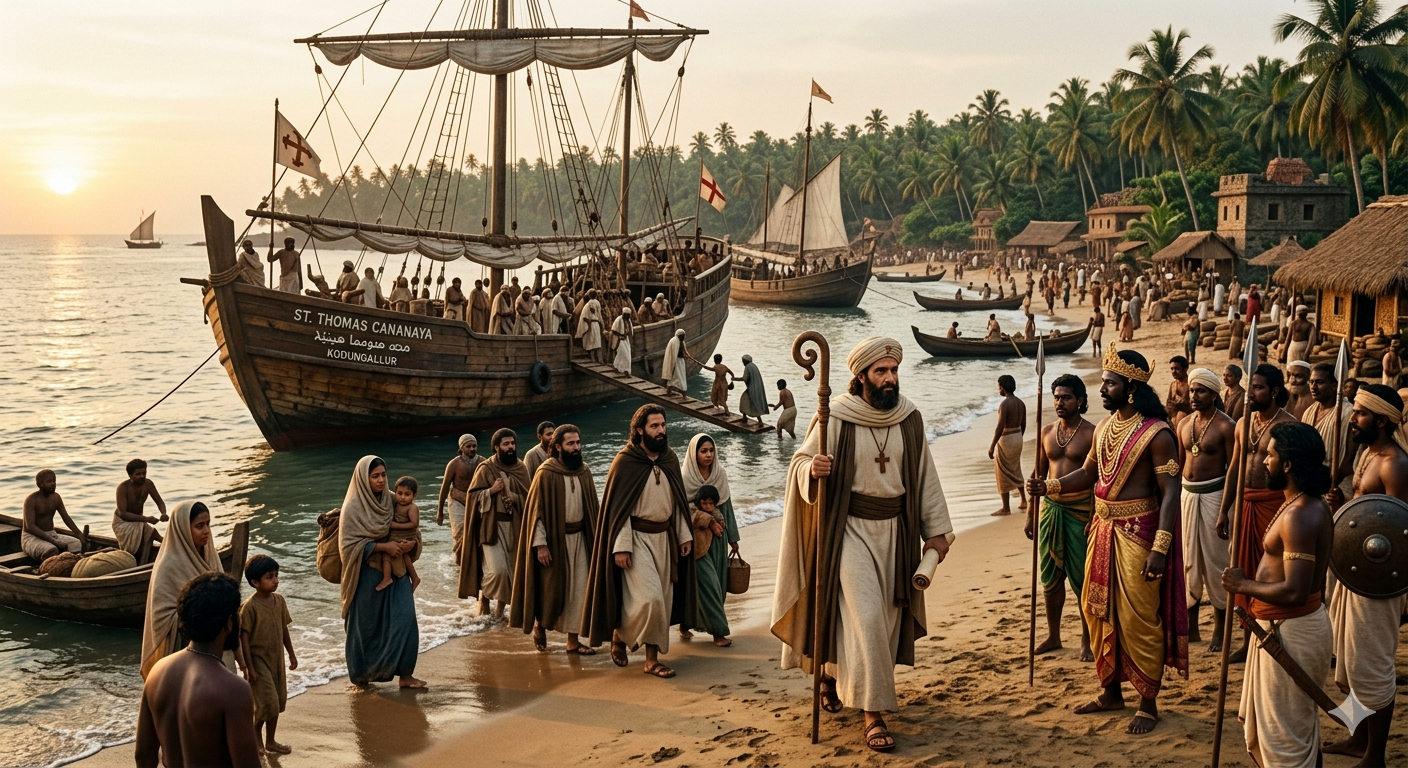
The origins of the Knanaya community are traditionally traced to the arrival of Thomas of Cana (Knāi Thoma), a prominent Syriac merchant, who is believed to have led a group of Christian families from Mesopotamia (present-day Iraq and surrounding regions) to the ancient port city of Kodungallur, Kerala, around A.D. 345. This migration strengthened the early Christian presence in India and contributed significantly to the growth of the Saint Thomas Christian heritage.
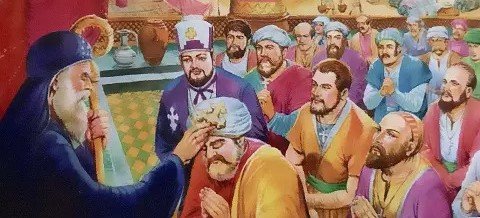
Historical references to this migration were preserved in the renowned Thomas of Cana Copper Plates, which documented the privileges and status granted to the community. Throughout history, the Knanaya maintained their distinctive traditions, customs, and social structure, setting them apart within the broader Saint Thomas Christian community.
Today, the Knanaya community continues to flourish both in India and across the world. The majority belong to the Syro-Malabar Church (Kottayam Archeparchy) and the Knanaya Archdiocese of the Syrian Orthodox Church. With increasing migration during the 20th and 21st centuries, vibrant Knanaya communities have been established in North America, Europe, the Middle East, Australia, and other regions, while remaining deeply connected to their faith, heritage, and cultural roots.
With an estimated population of over 300,000 members worldwide, the Knanaya community continues to preserve its rich traditions, strengthen its spiritual foundations, and celebrate a legacy that spans nearly seventeen centuries.
Historical Heritage
According to long-standing tradition, the Knanaya trace their origins to the migration led by Thomas of Cana (Knāi Thoma), a Syriac Christian merchant who arrived on the Malabar Coast around A.D. 345 with a group of Christian families from Mesopotamia. This migration strengthened the existing Christian community in Kerala and established a distinct social and cultural tradition that continues to thrive today.
Throughout history, the Knanaya have played an important role in preserving the ancient Syriac Christian heritage of India. Their traditions, customs, and community structure have been carefully maintained, creating a strong sense of identity and belonging.
Faith and Spiritual Life
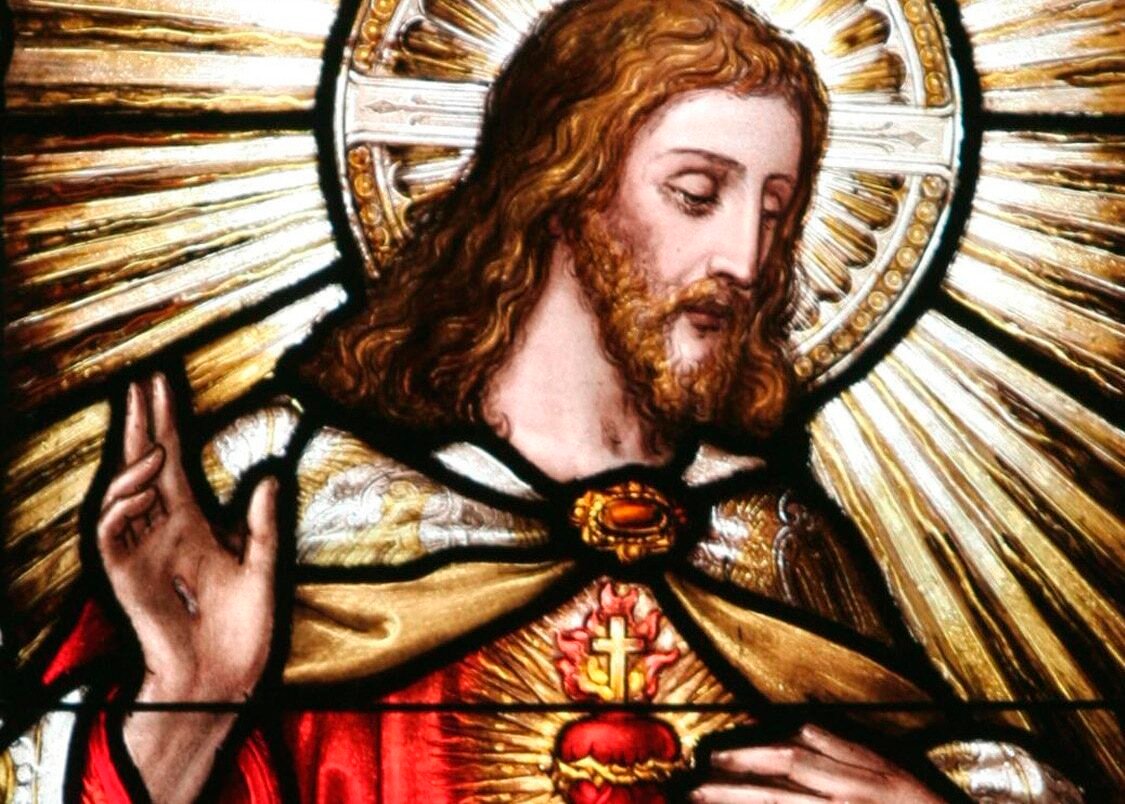
Faith remains at the heart of Knanaya life. The community is deeply connected to the apostolic tradition of Saint Thomas the Apostle and continues to uphold the rich liturgical and spiritual practices inherited from the Syriac Christian tradition. Today, Knanaya faithful belong primarily to the Syro-Malabar Catholic Church and the Malankara Syrian Orthodox Church, both of which provide spiritual guidance while preserving the community’s unique heritage.
Culture and Traditions
The Knanaya community is known for its vibrant cultural traditions, many of which have been preserved for centuries. Traditional wedding customs, family celebrations, religious feasts, and community gatherings continue to strengthen the bonds between generations.
Music, folk traditions, cuisine, and social customs remain an integral part of Knanaya identity. These cultural expressions reflect a deep respect for ancestry while embracing the opportunities of the modern world.
Education and Social Contributions
For generations, Knanaya families have placed a strong emphasis on education, social service, and community development. Members of the community have made significant contributions in fields such as education, healthcare, business, technology, public service, and religious leadership.
Through various organizations, churches, and charitable initiatives, the Knanaya community continues to serve society while promoting values of faith, integrity, and compassion.
A Global Community
Over the past century, Knanaya families have established thriving communities across the world. Significant populations can be found in the United States, Canada, Europe, Australia, New Zealand, and the Middle East.
Despite geographical distances, Knanaya organizations and churches worldwide work together to preserve cultural traditions, strengthen family ties, and pass on the community’s heritage to future generations.
Looking to the Future
As the Knanaya community continues to grow and evolve, it remains firmly rooted in its faith, history, and cultural identity. By honoring the legacy of its ancestors while embracing new opportunities, the community continues to inspire future generations with a spirit of unity, service, and devotion.
Today, the Knanaya stand as a vibrant global community united by a shared heritage, a strong faith, and a commitment to preserving a unique legacy for generations to come.