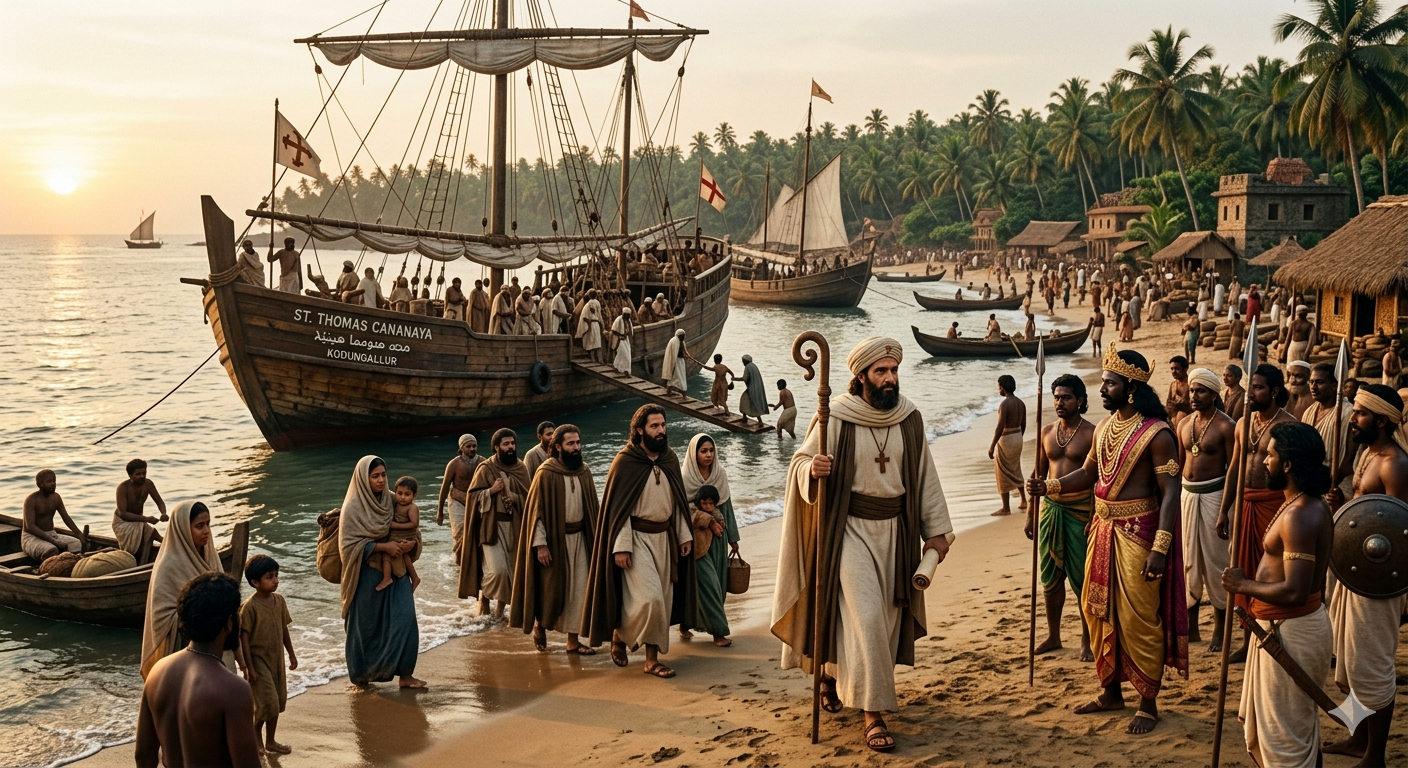
The history of the Knanaya community is deeply rooted in faith, migration, and cultural preservation. At the heart of this history stands Knai Thomman (Thomas of Cana), a respected merchant and leader whose arrival in Kerala marked a significant chapter in the story of Saint Thomas Christians. According to long-held community traditions, Knai Thomman led a group of Christian families from Mesopotamia to the Malabar Coast around AD 345, laying the foundation for what would later become the Knanaya community.
This historic migration not only strengthened the Christian presence in Kerala but also helped preserve a unique spiritual and cultural identity that continues to thrive across the world today.
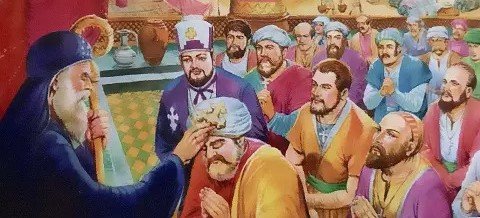
Who Was Knai Thomman?
Knai Thomman, also known as Thomas of Cana, was a wealthy merchant believed to have originated from the ancient regions of Mesopotamia. Renowned for his leadership, faith, and business acumen, he became the central figure in a migration that brought a group of Christian settlers to Kerala.
Community traditions describe Knai Thomman as a visionary leader who responded to the spiritual and social needs of Christians in India. Under his leadership, families embarked on a long and challenging journey across the Arabian Sea, carrying with them their faith, customs, and cultural heritage.
For the Knanaya people, Knai Thomman remains a symbol of unity, courage, and perseverance.
The Journey from Mesopotamia to Kerala
During the fourth century, Christianity had already established strong roots in Mesopotamia and the Middle East. Around AD 345, a group of Christian families set sail under the leadership of Knai Thomman, seeking to strengthen and support the Christian communities that existed in India since the evangelization of Saint Thomas the Apostle.
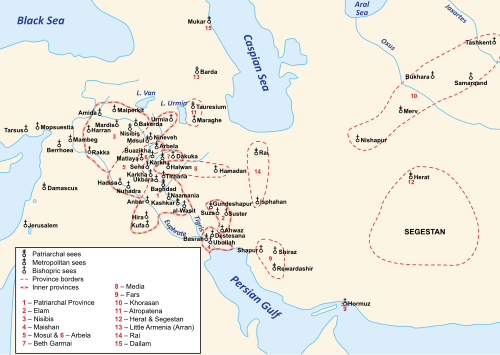
The voyage across the Arabian Sea was long and demanding. Traveling in wooden vessels and relying on seasonal winds, the migrants eventually reached the flourishing port regions of Kerala, then an important center for international trade.
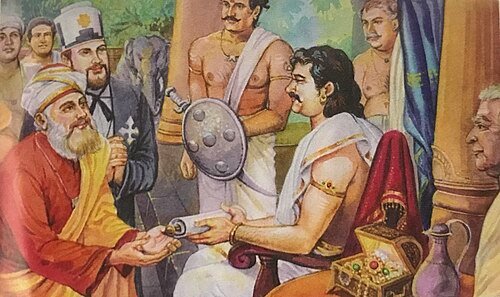
Upon their arrival, they were welcomed by the local rulers and integrated into Kerala’s multicultural society while preserving their distinct traditions and customs.
The 72 Families and Seven Clans
One of the most cherished traditions of the Knanaya community speaks of the migration of 72 families who accompanied Knai Thomman. These families represented various occupations, skills, and social backgrounds that helped establish a vibrant and self-sustaining community in their new homeland.
The migrants are also traditionally associated with seven prominent clans or family groups that formed the foundation of the community’s social structure. These clans played a vital role in preserving cultural practices, maintaining family lineage, and strengthening communal bonds.
Over the centuries, the descendants of these families continued to safeguard their heritage, passing down traditions, songs, customs, and stories from one generation to the next.
The Role of Bishop Uraha Mar Yousef
Accompanying Knai Thomman on this historic migration was Bishop Uraha Mar Yousef, a respected ecclesiastical leader. His presence underscored the spiritual significance of the journey and ensured the continuity of Christian worship and sacramental life among the migrants.
Bishop Mar Yousef provided religious guidance, strengthened the faith of the settlers, and contributed to the development of organized Christian communities in Kerala. Along with priests and deacons who accompanied the migration, he played a crucial role in nurturing the spiritual life of the newly established settlements.
His leadership helped connect the Christians of India with the broader Christian traditions of the East, fostering a rich heritage that continues to influence the community today.
The Significance of the Migration in Kerala Christian History
The arrival of Knai Thomman and his followers holds a unique place in the history of Christianity in Kerala. Their migration brought new vitality, leadership, and cultural richness to the existing Saint Thomas Christian community.
The settlers contributed to trade, social development, and religious life while maintaining a distinct identity rooted in faith and family traditions. Their legacy is reflected in the customs, liturgical practices, and communal values that continue to characterize the Knanaya community.
The migration also symbolizes the enduring relationship between the Christian communities of the Middle East and India, highlighting centuries of spiritual and cultural exchange.
Today, the story of Knai Thomman remains an inspiring reminder of faith, resilience, and the importance of preserving one’s heritage. Across generations and continents, the Knanaya community continues to honor this legacy, carrying forward the traditions established by their ancestors nearly seventeen centuries ago.
The story of Knai Thomman is more than a historical account—it is the foundation of a living heritage. Through the courage of a group of migrants, the guidance of Bishop Uraha Mar Yousef, and the commitment of the 72 families, a unique community emerged that continues to flourish around the world.
As the Knanaya community celebrates its history and looks toward the future, the legacy of Knai Thomman serves as a powerful reminder of the values that unite its people: faith, family, tradition, and perseverance.