The historical significance of the ancient folk songs of the Southist Syriac Christians has long been recognized by missionaries, historians, and scholars. Their awareness of the value of these songs as sources for reconstructing the past inspired systematic efforts to collect, study, and preserve them. Although the exact period in which these songs were composed cannot be determined with certainty, scholarly interest in them extends back several centuries.
The earliest European writers who described the Christian Church in India relied extensively on oral traditions, including these ancient folk songs. Beginning with the account of Fr. Álvaro Penteado (1516), numerous missionaries and chroniclers—including Fr. Francesco Dionisio, S.J., Fr. Antonio Monserrate, S.J., Fr. Antonio Gouvea, Archbishop Francisco Ros, S.J., Fr. John Campori, S.J., Diogo do Couto, Fr. Paulo da Trindade, O.F.M., Fr. Giuseppe Sebastiani, O.C.D., and Fr. Vincenzo Maria, O.C.D.—used oral traditions, particularly the ancient songs of the Southist community, as important sources for their descriptions of the Church of Malabar. Fr. Francesco Dionisio, Rector of the Jesuit Seminary at Cochin, referred to these oral traditions in a report addressed to the Jesuit Superior General in Rome on 4 January 1578, acknowledging them as significant sources of historical information.
Another notable scholar associated with these songs was Fr. Ernst Hanxleden, S.J. (Arnos Pathiri, 1681–1732), one of the pioneers of Malayalam language and literature. According to Fr. Mathew Cherusseril’s Kaduthuruthy Valiyapally: The Mother Church of the Knanaya Community, Arnos Pathiri spent nearly two months at Kaduthuruthy Valiyapally, the historic mother church of the Southists. During his stay, he invited Syriac Christian women to sing the ancient folk songs, carefully listened to them, and transcribed many of the compositions. Fr. Feroli, S.J., in his work The Jesuits in Kerala, also records Arnos Pathiri’s visit to Kaduthuruthy and reproduces his correspondence describing the experience.
The influence of these ancient folk songs on Arnos Pathiri appears to have extended beyond historical interest. Their literary style, language, and poetic qualities are believed to have influenced his own Malayalam writings, including the celebrated devotional poem Puthenpana. This literary relationship may also explain why the recitation of Puthenpana became deeply rooted in the homes and churches of the Knanaya community.
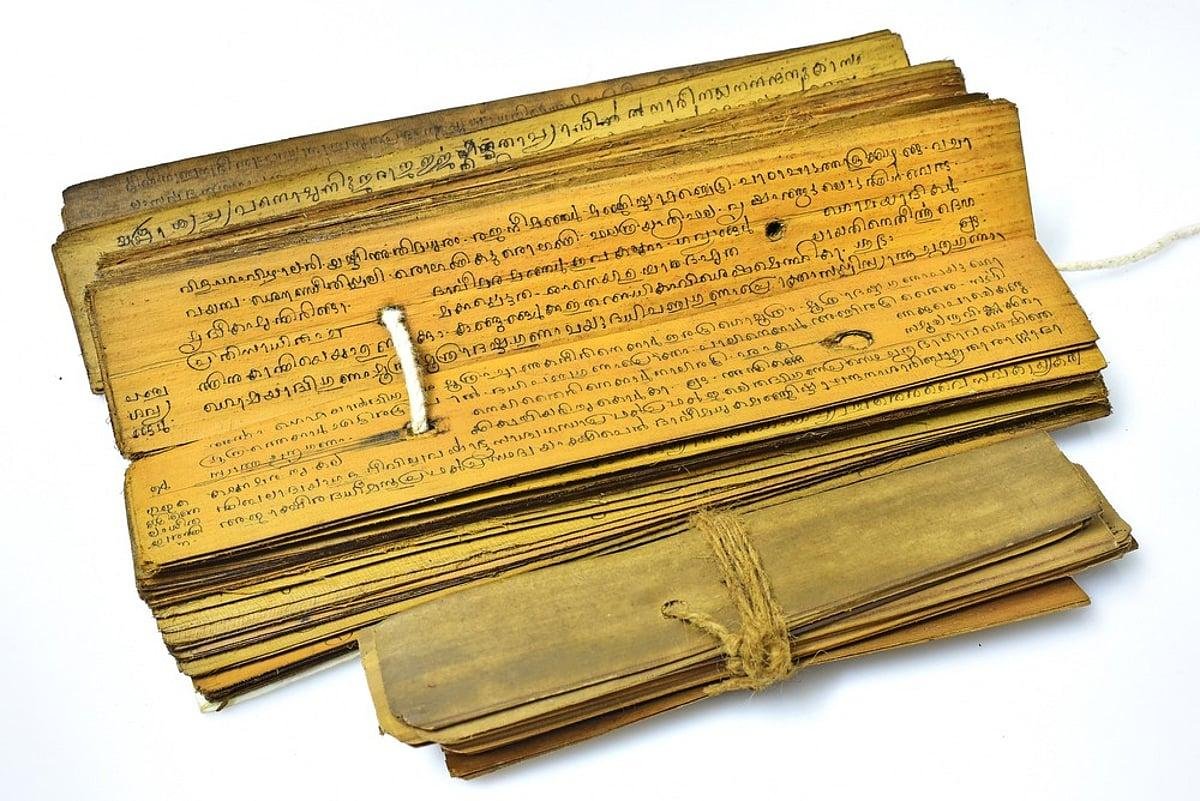
The importance of these songs was also recognized by Nidhirikkal Manikkathanar, one of the foremost leaders in the movement for the historical and ecclesiastical identity of the Saint Thomas Christians. As recorded in the preface to the published collection of the ancient folk songs, he visited Idaykattu Church in Kottayam, collected old manuscripts from the region, listened to the traditional songs as they were sung by local people, made detailed notes, analyzed their contents, and later quoted many of them in a public lecture delivered at CMS College, Kottayam.
The distinguished economist Dr. P. J. Thomas, a native of Kuravilangad and one of independent India’s leading economic thinkers, also recognized the literary value of these songs. In his pioneering work Christian Literature in Kerala (Keralathile Kristheeya Sahithyam), published in 1935, he devoted considerable attention to the ancient folk songs composed in the traditional ballad style. His principal source was the collection of Southist folk songs compiled and published by P. U. (Puthenpurackal Uthuppu) Lucas. Nearly thirty-four pages of his work are devoted to the wedding songs and other ancient poetic compositions of the Syrian Christians. A thoroughly revised edition of the work, published in 1961 under the title Malayalam Literature and the Christians, further contributed to the wider recognition of these songs.
Dr. P. J. Thomas’s work played a decisive role in introducing the ancient folk songs into the broader field of Malayalam literary history. Consequently, literary historians such as Ulloor S. Parameswara Iyer, K. M. George, Krishna Pillai, M. Leelavathy, Panmana, Erumeli, and others began referring to these compositions in their histories of Malayalam literature. Owing largely to the wide acceptance of Dr. Thomas’s scholarship, these songs came to be identified in general literary studies as the folk songs of the Syrian Christians—or, in a broader sense, as part of the literary heritage of the Christian community of Kerala.
തെക്കുംഭാഗപുരാതനപ്പാട്ടുകളുടെ
ക്നാനായേതര പഠനചരിത്രം
ചരിത്രനിര്മിതിയില് പുരാതനപ്പാട്ടുകളുടെ പ്രയോജനത്തെക്കുറിച്ചുള്ള ബോധ്യമാണ് അവയെ പഠനവിധേയമാക്കാന് പാശ്ചാത്യമിഷണറിമാരെയും ഇതരരെയും പ്രേരിപ്പിച്ചിട്ടുള്ളത്. അവയുടെ രചനാകാലം കൃത്യമായി നിര്ണയിക്കാനായിട്ടില്ലെങ്കിലും അവയെ ആധാരമാക്കിയുള്ള പഠനത്തിനും അവയെക്കുറിച്ചുള്ള പഠനത്തിനും നൂറ്റാണ്ടുകളുടെ ചരിത്രമുണ്ട്. ആദ്യകാല യൂറോപ്യന് ചരിത്രകാരന്മാര് ഭാരതത്തിലെ ക്രൈസ്തവസഭയെക്കുറിച്ചുള്ള വിവരണത്തിന് അടിസ്ഥാനമായി പ്രധാനമായും സ്വീകരിച്ചത് പുരാതനപ്പാട്ടുകളും വായ്മൊഴി പാരമ്പര്യവുമായിരുന്നു. ഫാ. അല്വാരോ പെന്തെയാദോയുടെ 1516-ലെ വിവരണം മുതല് ഫാ. ഫ്രന്ചേസ്കോ ഡയനീസിയോ എസ്.ജെ., ഫാ. അന്തോണിയോ മൊണ്സെറാത്തെ എസ്.ജെ., ഫാ. അന്തോണിയോ ഗുവെയ, മാര് ഫ്രന്ചേസ്കോ റോസ് എസ്.ജെ., ഫാ. ജോണ് കാംപോറി എസ്.ജെ., ദിയേഗൊ ദൊ കൂത്തോ, ഫാ. പൗളോ ദ ത്രിനിദാദ് ഒ.എഫ്.എം., ഫാ. ജുസേപ്പെ സെബസ്ത്യാനി ഒ.സി.ഡി., ഫാ. വിന്ചേന്സൊ മരിയ ഒ.സി.ഡി. തുടങ്ങിയവരുടെയെല്ലാം കേരള ക്രൈസ്തവസഭയെക്കുറിച്ചുള്ള വിവരണത്തിന്റെ സ്രോതസ്സ് മുഖ്യമായും പുരാതനപ്പാട്ടുകള്കൂടി ഉള്പ്പെട്ട വായ്മൊഴി പാരമ്പര്യമായിരുന്നു. കൊച്ചിയിലെ ഈശോസഭാസെമിനാരിയുടെ റെക്ടര് ആയിരുന്ന ഫാ. ഫ്രന്ചേസ്കോ ഡയനീസിയോ എസ്.ജെ. 1578 ജനുവരി 4-ന് റോമിലെ ഈശോസഭാ സുപ്പീരിയര് ജനറലിന് അയച്ച റിപ്പോര്ട്ടിലും പുരാതനപ്പാട്ടുകള് വിവരണത്തിന്റെ ഉറവിടമായിരിക്കുന്നതിനെക്കുറിച്ച് സൂചിപ്പിക്കുന്നുണ്ട്.
മലയാളഭാഷയുടെ പുഷ്ടിക്ക് ഏറെ സംഭാവനകള് നല്കിയ ഫാ. ഏര്ണസ്റ്റ് ഹാംഗ്സ്ലേഡന് (അര്ണോസ് പാതിരി 1781-1832) രണ്ടുമാസത്തോളം തെക്കുംഭാഗരുടെ തലപ്പള്ളിയായ കടുത്തുരുത്തി വലിയപള്ളിയില് താമസിച്ചതായും അവിടെയുണ്ടായിരുന്ന സുറിയാനിക്രിസ്ത്യാനികളായ സ്ത്രീകളെക്കൊണ്ട് പുരാതനപ്പാട്ടുകള് പാടിച്ചു കേട്ടിരുന്നതായും അവ പകര്ത്തിയിരുന്നതായും ഫാ. മാത്യു ചെറുശ്ശേരില് എഴുതിയ കടുത്തുരുത്തി വലിയപള്ളി: ക്നാനായക്കാരുടെ മാതൃദേവാലയം എന്ന പുസ്തകം 103-104 പുറങ്ങളില് രേഖപ്പെടുത്തിയിരിക്കുന്നു. ഫാ. ഫെറോളി എസ്.ജെ.യുടെ ഈശോസഭക്കാര് കേരളത്തില് എന്ന പുസ്തകത്തില് അര്ണോസ് പാതിരിയുടെ ജീവചരിത്രം രേഖപ്പെടുത്തിയിട്ടുണ്ട്. ഇതിന്റെ രണ്ടാം വാല്യത്തില് വിവിധ സ്ഥലങ്ങൡലെ പ്രവര്ത്തനങ്ങള് വിശദീകരിക്കുന്നവയുടെ കൂട്ടത്തില്, കടുത്തുരുത്തി സന്ദര്ശനം സൂചിപ്പിച്ചുകൊണ്ട് ജര്മനിയിലെ സുഹൃത്തിന് അര്ണോസ് പാതിരി അയച്ച എഴുത്തും ഉദ്ധരിക്കുന്നുണ്ട് (പുറങ്ങള് 315-332). പുരാതനപ്പാട്ട് പഠനത്തില് അര്ണോസ് പാതിരി ഏര്പ്പെട്ടിരുന്നു എന്ന കേവല അറിവിനപ്പുറം അദ്ദേഹത്തിന്റെ സാഹിത്യതപസ്യയുടെയും ഭാഷാവിചിന്തനത്തിന്റെയും അടിസ്ഥാനമായി പുരാതനപ്പാട്ടുകള് മാറിയിട്ടുണ്ടെന്നതും നമ്മുടെ സവിശേഷശ്രദ്ധ ആകര്ഷിക്കുന്നു. പുത്തന്പാനയടക്കമുള്ള കൃതികളുടെ രചനയില് പുരാതനപ്പാട്ടുകളുടെ ശൈലിയും ഭാഷയും സാഹിത്യഗുണങ്ങളും സ്വാധീനം ചെലുത്തിയിരിക്കണം. തെക്കുംഭാഗരുടെ വീടുകളിലും പള്ളികളിലും പുത്തന്പാന ആലപിക്കുന്ന രീതി പ്രചുരപ്രചാരത്തിലാകാന് ഈ ബന്ധവും സഹായിച്ചിരിക്കണം.
മാര്ത്തോമ്മാക്രിസ്ത്യാനികളുടെ സ്വത്വവീണ്ടെടുപ്പ് ചരിത്രത്തിലെ നിസ്തുല പ്രഭാവനായ നേതാവ് നിധീരിക്കല് മാണിക്കത്തനാര് തെക്കുംഭാഗരുടെ കോട്ടയം ഇടയ്ക്കാട്ട് പള്ളിയില് ചെന്ന് ആ പ്രദേശങ്ങളിലെ പല പഴയ ഗ്രന്ഥങ്ങള് വരുത്തി പുരാതന പാട്ടുകള് പരിശോധിക്കുകയും പഴയ പാട്ടുകള് പാടിക്കേള്ക്കുകയും നോട്ടുകള് കുറിച്ചെടുക്കുകയും പാട്ടുകളുടെ ഉള്ളടക്കം വിസ്തരിച്ചു പറയുകയും കോട്ടയം സി.എം.എസ്. കോളേജില്വച്ചു ഇതു സംബന്ധിച്ച് ചെയ്ത പ്രസംഗത്തില് ഈ പാട്ടുകളില് പലതും ഉദാഹരിക്കുകയും ചെയ്ത ചരിത്രവും പുരാതനപ്പാട്ടുകളുടെ മുഖവുരയില് പറയുന്നുണ്ട്.
കുറവിലങ്ങാട്ടുകാരനും സ്വാതന്ത്ര്യാനന്തര ഇന്ത്യയിലെ പ്രഗല്ഭ സാമ്പത്തികശാസ്ത്രവിദഗ്ധനുമായ ഡോ. പി.ജെ. തോമസ് ക്രിസ്ത്യാനികളുടെ പദ്യ, ഗദ്യ, ആഢ്യസാഹിത്യ പരിശ്രമങ്ങള് പൊതുസമൂഹത്തിനുമുന്നില് വ്യക്തമാക്കാന് രചിച്ച് 1935-ല് അതിരമ്പുഴ പ്രസ്സില്നിന്ന് പ്രസിദ്ധം ചെയ്ത കേരളത്തിലെ ക്രിസ്തീയസാഹിത്യം എന്ന കൃതിയില് നാടോടിപ്പാട്ടു രൂപത്തിലുള്ള പുരാതനപ്പാട്ടുകള്ക്കും ഗണ്യമായ ഒരു സ്ഥാനം നല്കുന്നുണ്ട്. ഈ പാട്ടുകള്ക്ക് ആധാരമായി അദ്ദേഹം സ്വീകരിച്ചത് തെക്കുംഭാഗരുടെ പുരാതനപ്പാട്ടുകള് സമാഹരിച്ച് പി.യു. (പുത്തന്പുരയ്ക്കല് ഉതുപ്പ്) ലൂക്കാസ് പ്രസിദ്ധീകരിച്ച കൃതിയാണ്. രണ്ടും മൂന്നും അധ്യായങ്ങളിലായി 34 പേജുകള് നസ്രാണികളുടെ കല്യാണപ്പാട്ടുകളെക്കുറിച്ചും മറ്റു പുരാതനപദ്യകൃതികളെക്കുറിച്ചുമുള്ള വിവരണത്തിന് പി.ജെ. തോമസ് മാറ്റിവയ്ക്കുന്നുണ്ട്. മലയാളസാഹിത്യവും ക്രിസ്ത്യാനികളും എന്ന പേരില് 1961-ല് ഈ കൃതിയുടെ അടിമുടി പരിഷ്കരിച്ച രൂപവും പ്രസിദ്ധീകൃതമായിട്ടുണ്ട്. പുരാതനപ്പാട്ടുകള് പൊതുസാഹിത്യചരിത്രമണ്ഡലത്തില് അറിയപ്പെടുന്നതിന്, വിശിഷ്യ, ഉള്ളൂര്, ചുമ്മാര്, കെ.എം. ജോര്ജ്, കൃഷ്ണപ്പിള്ള, ലീലാവതി, പന്മന, എരുമേലി തുടങ്ങിയവരുടെ സാഹിത്യചരിത്രങ്ങളിലും സാമാന്യമായ പരാമര്ശങ്ങള് പുരാതനപ്പാട്ടുകള് സംബന്ധമായി കാണുന്നതിന്, പി.ജെ. തോമസിന്റെ കൃതി വലിയ പങ്ക് വഹിച്ചിട്ടുണ്ട്. പൊതുസമൂഹത്തിലെ പി.ജെ. തോമസിന്റെ സ്വീകാര്യതവഴി ഈ പാട്ടുകള് സുറിയാനിക്രിസ്ത്യാനികളുടെ പാട്ടുകള് എന്ന രീതിയിലോ, കുറച്ചുകൂടി വ്യാപകാര്ത്ഥത്തില് ക്രിസ്ത്യാനികളുടെ പാട്ടുകള് എന്ന രീതിയിലോ, ആണ് ഈ കൃതികളില് മുഖ്യമായും പരാമര്ശിക്കുന്നത്.