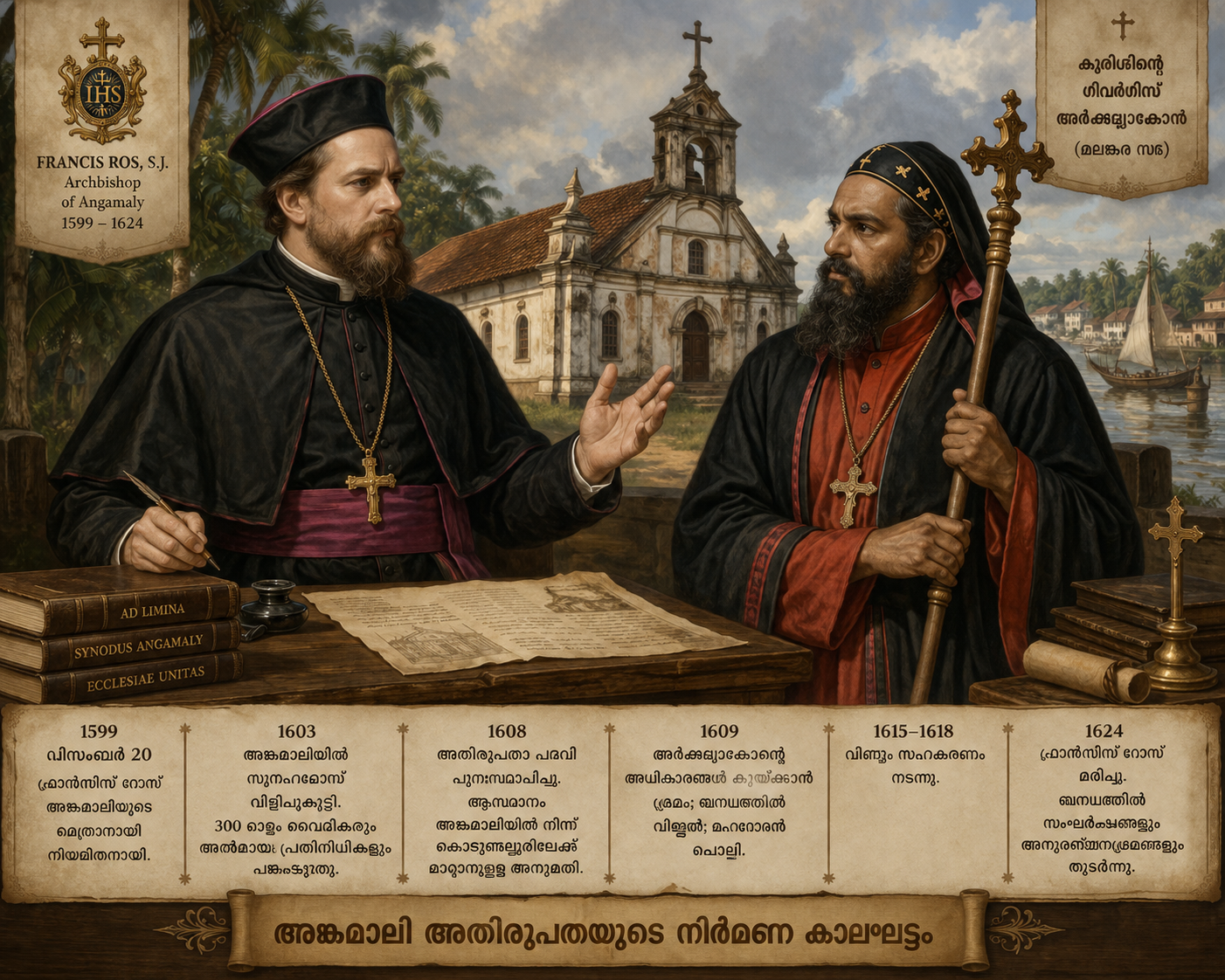
On 20 December 1599, Francis Ros, S.J. was appointed Bishop of Angamaly. With his appointment, the Diocese of Angamaly was reduced to a suffragan diocese under the Portuguese Padroado jurisdiction of Goa. This decision was strongly opposed by Bishop Ros, the Archdeacon, and the St. Thomas Christians, who submitted petitions to Rome seeking the restoration of the ancient status of the See of Angamaly.
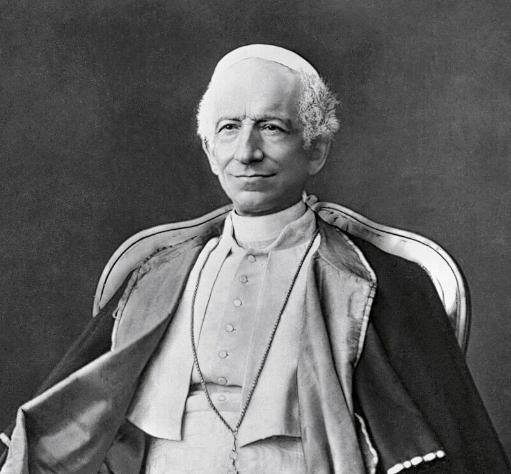
Responding to these appeals, Pope Paul V, in 1608, restored Angamaly to the rank of an archdiocese. By that time, however, Francis Ros had already obtained papal approval to transfer the metropolitan see from Angamaly to Cranganore (Kodungallur).
In 1603, Archbishop Francis Ros convened a diocesan synod at Angamaly. Approximately 300 priests and selected lay representatives participated in the assembly. The synod reviewed and modified several impractical regulations introduced by the Synod of Diamper (Udayamperoor), thereby preserving many legitimate traditions of the St. Thomas Christian Church.
Initially, Archbishop Ros maintained a cordial relationship with Archdeacon Geevarghese of the Cross (Kurishinkal Geevarghese). However, tensions emerged in 1609 when Ros attempted to curtail the traditional administrative authority exercised by the Archdeacon. As the conflict intensified, Ros imposed ecclesiastical censure upon the Archdeacon. Nevertheless, the Archdeacon, supported by several local rulers, refused to submit and established his residence at Mangat.
Subsequently, the Archdeacon reconciled with the Archbishop, and from 1615 to 1618 both leaders worked together harmoniously. This period of cooperation ended when Archbishop Ros departed for the Madurai Mission and appointed the Rector of the Cranganore Seminary as administrator instead of entrusting the governance to the Archdeacon.
The relationship further deteriorated when the Archdeacon opposed the expansion of Jesuit influence in the Syrian churches and issued directives restricting Jesuit intervention. Archbishop Ros, with the backing of local rulers, was able to overcome this opposition. Despite occasional attempts at reconciliation, disagreements between the two leaders continued until the death of Archbishop Francis Ros in 1624.
The prolonged conflict between Archbishop Francis Ros and the Archdeacon reflected deeper disputes concerning ecclesiastical authority, the autonomy of the St. Thomas Christians, and Portuguese control over the Malabar Church. These unresolved tensions eventually contributed to the circumstances that culminated in the historic Coonan Cross Oath of 1653.
പദ്രുവാദോയുടെ അവസാനവും അങ്കമാലി അതിരൂപതയുടെ പുനഃസ്ഥാപനവും
1599 ഡിസംബര് 20-ന് ഫ്രാന്സിസ് റോസ് അങ്കമാലിയുടെ മെത്രാനായി നിയമിതനായി. ഇതോടെ അങ്കമാലി രൂപത ഗോവയിലെ പദ്രുവാദോ സംവിധാനത്തിന് കീഴിലുള്ള ഒരു സാമന്തരൂപതയായി. ഈ തീരുമാനം സുറിയാനി ക്രൈസ്തവരില് വലിയ അസംതൃപ്തിക്ക് ഇടയാക്കി. മെത്രാന് റോസും അര്ക്കദ്യാക്കോനും വിശ്വാസി സമൂഹവും ഇതിനെതിരെ റോമിലേക്ക് പരാതികള് അയച്ചു.
ഈ പരാതികളുടെ അടിസ്ഥാനത്തില് 1608-ല് മാര്പ്പാപ്പ അങ്കമാലിയുടെ അതിരൂപതാ പദവി അംഗീകരിച്ചുകൊണ്ട് കല്പന പുറപ്പെടുവിച്ചു. ഇതിനോടകം അതിരൂപതയുടെ ആസ്ഥാനം അങ്കമാലിയില് നിന്ന് കൊടുങ്ങല്ലൂരിലേക്ക് മാറ്റുന്നതിനുള്ള അനുമതിയും ഫ്രാന്സിസ് റോസ് നേടിയിരുന്നു.
1603-ല് മെത്രാന് റോസ് അങ്കമാലിയില് ഒരു സിനഡ് (സൂനഹദോസ്) വിളിച്ചുകൂട്ടി. ഏകദേശം 300 വൈദികരും തിരഞ്ഞെടുക്കപ്പെട്ട അല്മായ പ്രതിനിധികളും പങ്കെടുത്ത ഈ സിനഡ്, ഉദയംപേരൂര് സൂനഹദോസിലൂടെ നിലവില് വന്നിരുന്ന പല അപ്രായോഗിക തീരുമാനങ്ങളും തിരുത്തുകയോ റദ്ദാക്കുകയോ ചെയ്തു. മലബാര് സഭയുടെ പാരമ്പര്യങ്ങളെ സംരക്ഷിക്കുന്നതില് ഈ സിനഡിന് സുപ്രധാന സ്ഥാനമുണ്ട്.
ആദ്യകാലങ്ങളില് മെത്രാന് റോസും അര്ക്കദ്യാക്കോന് കുരിശിന്റെ ഗീവര്ഗീസും തമ്മില് നല്ല സഹകരണമുണ്ടായിരുന്നു. എന്നാല് 1609-ല് അര്ക്കദ്യാക്കോന് പാരമ്പര്യമായി ഉണ്ടായിരുന്ന അധികാരങ്ങള് പരിമിതപ്പെടുത്താന് റോസ് ശ്രമിച്ചതോടെ ഇരുവരുടെയും ബന്ധത്തില് വിള്ളല് വീണു. തുടര്ന്ന് റോസ് അര്ക്കദ്യാക്കോനെ മഹ്റോന് (സഭാശിക്ഷ/വിലക്ക്) ചൊല്ലിയെങ്കിലും അദ്ദേഹം അത് അംഗീകരിച്ചില്ല. പ്രാദേശിക രാജാക്കന്മാരുടെ പിന്തുണ അദ്ദേഹത്തിനുണ്ടായിരുന്നു. പിന്നീട് അര്ക്കദ്യാക്കോന് മങ്ങാട്ട് താമസം ആരംഭിക്കുകയും തുടര്ന്ന് വീണ്ടും ആര്ച്ച് ബിഷപ്പിനോട് വിധേയത്വം പ്രഖ്യാപിക്കുകയും ചെയ്തു.
1615 മുതല് 1618 വരെ റോസും അര്ക്കദ്യാക്കോനും വീണ്ടും സഹകരിച്ച് പ്രവര്ത്തിച്ചു. എന്നാല് റോസ് മധുര മിഷനിലേക്ക് പോയപ്പോള്, അര്ക്കദ്യാക്കോനെ ചുമതലപ്പെടുത്താതെ കൊടുങ്ങല്ലൂര് കോളേജിന്റെ റെക്ടറെ ഭരണാധികാരിയായി നിയമിച്ചതോടെ വീണ്ടും അഭിപ്രായഭിന്നത ഉടലെടുത്തു.
ജെസ്യൂട്ട് വൈദികര് സുറിയാനി പള്ളികളില് ഇടപെടുന്നതിനെതിരെ അര്ക്കദ്യാക്കോന് ശക്തമായ നിലപാട് സ്വീകരിക്കുകയും അതിനെതിരായ കല്പന പുറപ്പെടുവിക്കുകയും ചെയ്തു. എന്നാല് പ്രാദേശിക രാജാക്കന്മാരുടെ പിന്തുണ നേടിയെടുത്ത് ആ കല്പനയെ മറികടക്കാന് മെത്രാന് റോസിന് സാധിച്ചു.
1624-ല് മെത്രാന് ഫ്രാന്സിസ് റോസ് മരിക്കുന്നതുവരെ അദ്ദേഹവും അര്ക്കദ്യാക്കോന് കുരിശിന്റെ ഗീവര്ഗീസും തമ്മിലുള്ള ബന്ധത്തില് ഇടയ്ക്കിടെ സംഘര്ഷങ്ങളും അനുരഞ്ജനശ്രമങ്ങളും തുടര്ന്നിരുന്നു. ഈ കാലഘട്ടം പിന്നീട് കൂനന്കുരിശ് സത്യത്തിലേക്ക് നയിച്ച സഭാ-ഭരണപരമായ സംഘര്ഷങ്ങളുടെ പ്രധാന പശ്ചാത്തലമായി ചരിത്രകാരന്മാര് വിലയിരുത്തുന്നു.