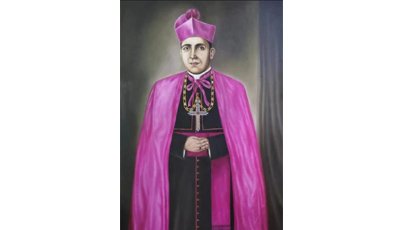
The efforts of the Carmelite missionary Sebastiani to heal the schism following the Coonan Cross Oath by reconciling Mar Thoma I and Itto Thommen Kathanar with the Catholic Church were unsuccessful. At the same time, Portuguese political dominance in Malabar had come to an end, and the Dutch had taken control of the coastal territories. As a result, foreign missionaries were forced to withdraw from Dutch-controlled areas.
Under these circumstances, Sebastiani decided to appoint a native Syrian Christian as bishop. His choice fell on Fr. Chandy Parambil, a relative of Mar Thoma I, believing that his family connection would encourage many of the separated St. Thomas Christians to return to communion with Rome.
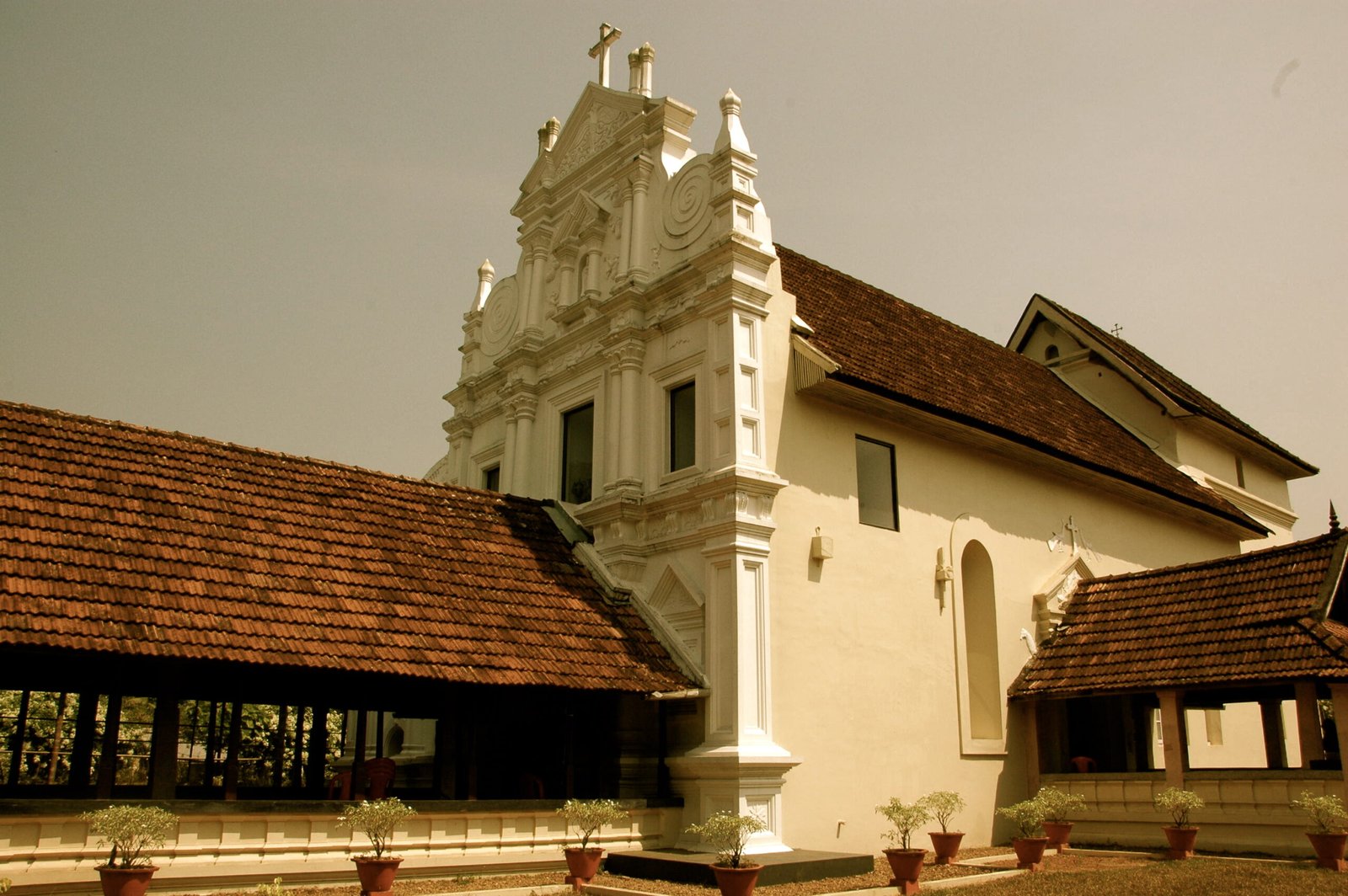
However, the majority of the Syrian Christians continued to support Mar Thoma I. In contrast, the Thekkumbhagar (Southern) churches, with the exception of Kallissery, pledged their allegiance to Fr. Chandy under the leadership of Pachikkara Tharakkan, a prominent lay leader from Chunkom Parish. Consequently, Chandy was consecrated bishop at Kaduthuruthy Valiya Palli, the principal church of the Southern group. Following his consecration, many faithful and several parishes returned to Catholic unity.
Mar Chandy appointed Mathew Parambil as his Archdeacon. Nevertheless, he was unable to secure the appointment of another indigenous St. Thomas Christian as his successor. Owing to pressure from the missionaries, a Portuguese cleric, Raphael de Figueiredo, was appointed bishop after him.
The Kariattil–Paremmakkal Mission
In 1773, a general assembly of the Syrian Catholics at Angamaly expressed support for efforts to restore unity with the Puthenkoor faction. Three years later, in 1776, another assembly held at Alangad resolved to send a delegation to Rome to pursue reconciliation.
Fr. Joseph Kariattil and Fr. Paremmakkal Thoma Kathanar, a priest belonging to the Padroado jurisdiction, were chosen as delegates. They departed for Rome in 1778 with the principal objective of bringing Mar Thoma VI into full communion with the Catholic Church.
The mission was made possible through the generous financial support of Ittikuruvila Tharakkan of Poothathil, Neendoor, whose contribution covered a significant portion of the expenses.
Kariattil and Paremmakkal reached Rome in 1780, where they presented the petition for the reconciliation of Mar Thoma VI. During their stay, Fr. Joseph Kariattil was nominated by the Portuguese Crown as the Archbishop of Cranganore (Kodungalloor) and was consecrated in 1782.
On 1 May 1786, Archbishop Kariattil and Fr. Paremmakkal arrived in Goa on their return journey to Malabar. Tragically, before reaching Kerala, Archbishop Kariattil died in Goa on 9 September 1786. He was buried in the Goa Cathedral.
Before his death, Archbishop Kariattil appointed Paremmakkal Thoma Kathanar as his Governor (Governador) to administer the affairs of the Malabar Church. Paremmakkal reached Malabar on 21 September 1786 and assumed leadership of the Church. He served as Governor from 1786 to 1799, providing stable administration, defending the rights of the St. Thomas Christians, and laying the foundation for greater indigenous leadership. His tenure remains one of the most significant periods in the history of the Syro-Malabar Church and the St. Thomas Christian community.
മാര് ചാണ്ടി പറമ്പില്
ഒന്നാം മാര്ത്തോമ്മയെയും ഇട്ടിത്തൊമ്മന് കത്തനാരെയും റോമന് കത്തോലിക്കാ സഭയുമായി പുനരൈക്യപ്പെടുത്തിക്കൊണ്ട് കൂനന്കുരിശ് സത്യത്തിനുശേഷം ഉണ്ടായ വിഭജനം അവസാനിപ്പിക്കാന് കര്മ്മലീത്താ മിഷനറിയായ സെബസ്ത്യാനി (Sebastiani) നടത്തിയ ശ്രമങ്ങള് വിജയിച്ചില്ല. അതേസമയം, മലബാറിലെ പോര്ച്ചുഗീസ് രാഷ്ട്രീയാധിപത്യം അവസാനിക്കുകയും ഡച്ചുകാര് തീരദേശ പ്രദേശങ്ങളുടെ നിയന്ത്രണം ഏറ്റെടുക്കുകയും ചെയ്തതിനാല് വിദേശ മിഷനറിമാരുടെ പ്രവര്ത്തനങ്ങള് പരിമിതമായി.
ഈ സാഹചര്യത്തില്, ഒരു തദ്ദേശീയ സുറിയാനി വൈദികനെ മെത്രാനായി നിയമിക്കണമെന്ന തീരുമാനത്തിലേക്ക് സെബസ്ത്യാനി എത്തി. മാര്ത്തോമ്മ മെത്രാന്റെ ബന്ധുവായിരുന്ന ചാണ്ടിയച്ചന് പറമ്പിലിനെ മെത്രാനായി തിരഞ്ഞെടുക്കുകയായിരുന്നു. അദ്ദേഹത്തിന്റെ ബന്ധുത്വം മൂലം വിഭജിക്കപ്പെട്ട വിശ്വാസികളില് വലിയൊരു വിഭാഗത്തെ വീണ്ടും കത്തോലിക്കാ സഭയിലേക്ക് തിരികെ കൊണ്ടുവരാന് കഴിയുമെന്നായിരുന്നു പ്രതീക്ഷ.
എന്നാല് ഭൂരിഭാഗം സുറിയാനി ക്രിസ്ത്യാനികളും ഒന്നാം മാര്ത്തോമ്മയുടെ നേതൃത്വത്തില് തന്നെ തുടര്ന്നു. ചുങ്കം പള്ളി ഇടവകക്കാരനായ പച്ചിക്കര തരകന്റെ നേതൃത്വത്തില് തെക്കുംഭാഗത്തെ പള്ളികള് (കല്ലിശ്ശേരി ഒഴികെ) മാര് ചാണ്ടിക്ക് അനുസരണം പ്രഖ്യാപിച്ചു. അതിനാല് അവരുടെ തലപ്പള്ളിയായ കടുത്തുരുത്തി വലിയപള്ളിയില് മാര് ചാണ്ടി പറമ്പിലിനെ മെത്രാനായി അഭിഷേകം ചെയ്തു. തുടര്ന്ന് നിരവധി വിശ്വാസികളും ഇടവകകളും വീണ്ടും കത്തോലിക്കാ സഭയുമായി ഐക്യത്തിലേക്ക് മടങ്ങിയെത്തി.
മാര് ചാണ്ടി തന്റെ അര്ക്കദ്യാക്കോനായി മാത്യു പറമ്പിലിനെ നിയമിച്ചു. എന്നാല് തന്റെ പിന്ഗാമിയായി ഒരു തദ്ദേശീയ മാര്ത്തോമ ക്രിസ്ത്യാനിയെ നിയമിക്കാനുള്ള ആഗ്രഹം സഫലമായില്ല. മിഷനറിമാരുടെ സമ്മര്ദഫലമായി പോര്ച്ചുഗീസ് വംശജനായ റഫായേല് ദെ ഫിഗുറേദോയെ മെത്രാനായി അഭിഷേകം ചെയ്യേണ്ടിവന്നു.
കരിയാറ്റി-പാറേമ്മാക്കല് ദൗത്യവും പുനരൈക്യശ്രമങ്ങളും
1773-ല് അങ്കമാലിയില് ചേര്ന്ന സുറിയാനി ക്രിസ്ത്യാനികളുടെ പൊതുയോഗം പുത്തന്കൂര് വിഭാഗവുമായി പുനരൈക്യം സ്ഥാപിക്കാനുള്ള ശ്രമങ്ങളെ അനുകൂലിച്ചു. തുടര്ന്ന് 1776-ല് ആലങ്ങാട്ട് ചേര്ന്ന പൊതുയോഗം ഈ ലക്ഷ്യത്തിനായി റോമിലേക്ക് ഒരു പ്രതിനിധിസംഘത്തെ അയയ്ക്കാന് തീരുമാനിച്ചു.
പ്രതിനിധികളായി ജോസഫ് കരിയാറ്റിയെയും പദ്രുവാദോ വൈദികനായ പാറേമ്മാക്കല് തോമ്മാ കത്തനാരെയും തിരഞ്ഞെടുത്തു. 1778-ല് അവര് റോമിലേക്കുള്ള യാത്ര ആരംഭിച്ചു. പുത്തന്കൂര് വിഭാഗത്തിന്റെ നേതാവായിരുന്ന മാര്ത്തോമ്മ ആറാമനെ കത്തോലിക്കാ സഭയുമായി പുനരൈക്യപ്പെടുത്തുക എന്നതായിരുന്നു ഈ ദൗത്യത്തിന്റെ പ്രധാന ലക്ഷ്യം.
ഈ ചരിത്രയാത്രയ്ക്ക് ആവശ്യമായ സാമ്പത്തിക സഹായത്തിന്റെ വലിയൊരു ഭാഗം നല്കിയത് നീണ്ടൂരിലെ പ്രമുഖ വ്യാപാരിയും സഭാനേതാവുമായ പൂതത്തില് ഇട്ടിക്കുരുവിള തരകന് ആയിരുന്നു. അദ്ദേഹത്തിന്റെ പിന്തുണ ഈ ദൗത്യത്തിന്റെ വിജയത്തിന് നിര്ണായകമായി.
കരിയാറ്റിയും പാറേമ്മാക്കലും 1780-ല് റോമിലെത്തി. അവിടെ മാര്ത്തോമ്മ ആറാമന്റെ പുനരൈക്യാഭ്യര്ഥന റോമന് സഭയ്ക്ക് സമര്പ്പിച്ചു. തുടര്ന്ന് പോര്ച്ചുഗീസ് അധികാരികളുടെ ശുപാര്ശപ്രകാരം ജോസഫ് കരിയാറ്റിയെ കൊടുങ്ങല്ലൂര് മെത്രാപ്പോലീത്തയായി നിയമിക്കുകയും 1782-ല് മെത്രാഭിഷേകം നടത്തുകയും ചെയ്തു.
1786 മേയ് 1-ന് കരിയാറ്റിയും പാറേമ്മാക്കലും ഗോവയിലെത്തി. എന്നാല് മലബാറിലേക്ക് മടങ്ങിവരുന്നതിനുമുമ്പ്, 1786 സെപ്റ്റംബര് 9-ന് ഗോവയില്വെച്ച് മാര് ജോസഫ് കരിയാറ്റി അന്തരിച്ചു. അദ്ദേഹത്തെ ഗോവയിലെ കത്തീഡ്രലില് സംസ്കരിച്ചു.
മരണത്തിന് മുമ്പ് കരിയാറ്റി, പാറേമ്മാക്കല് തോമ്മാ കത്തനാരെ തന്റെ ഗോവര്ണദോര് (സഭാഭരണാധികാരി) ആയി നിയമിച്ചു. തുടര്ന്ന് 1786 സെപ്റ്റംബര് 21-ന് പാറേമ്മാക്കല് മലബാറിലെത്തി സഭയുടെ നേതൃത്വം ഏറ്റെടുത്തു. 1786 മുതല് 1799 വരെ അദ്ദേഹം മലബാര് സുറിയാനി കത്തോലിക്കാ സഭയുടെ ഭരണസാരഥിയായി പ്രവര്ത്തിക്കുകയും, തദ്ദേശീയ സഭയുടെ അവകാശങ്ങള് സംരക്ഷിക്കുന്നതിലും ഭരണസംവിധാനം ശക്തിപ്പെടുത്തുന്നതിലും നിര്ണായക പങ്കുവഹിക്കുകയും ചെയ്തു. അദ്ദേഹത്തിന്റെ നേതൃത്വകാലം മലബാര് സഭയുടെ സ്വത്വബോധവും സ്വയംഭരണത്തിനായുള്ള ശ്രമങ്ങളും ശക്തിപ്പെട്ട ഒരു സുപ്രധാന ഘട്ടമായി ചരിത്രത്തില് വിലയിരുത്തപ്പെടുന്നു.