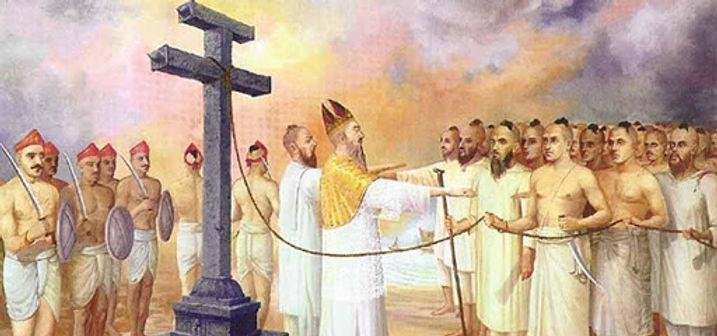
The Coonan Cross Oath of 3 January 1653 stands as one of the most significant turning points in the history of the Saint Thomas Christians of Malabar. It was a collective act of resistance against Portuguese ecclesiastical domination and the growing influence of the Jesuit missionaries. The event ultimately led to a permanent division within the Saint Thomas Christian community.
The Arrival of Mar Ahatallah
In 1652, Mar Ahatallah, an Eastern bishop believed to have been born in Aleppo, arrived at Mylapore on the Coromandel Coast. Consecrated as a bishop around 1631, he maintained communion with Rome. According to historical accounts, while in Alexandria he learned of the appeals made by Archdeacon Thomas Parambil regarding the condition of the Malabar Church and decided to travel to India.
Soon after his arrival, however, Mar Ahatallah was arrested by the Portuguese Jesuits at Mylapore and was sent under custody to Goa, where he was expected to face the Inquisition. Syrian Christian deacons who had visited Mylapore conveyed this news to the Christians of Malabar. Mar Ahatallah reportedly claimed to be the Patriarch of India and China, and news of his arrival quickly spread throughout Kerala.
Growing Tensions
A large gathering of Syrian Christians assembled at Udayamperoor and appealed to Archbishop Francisco Garcia to allow Mar Ahatallah to come to Malabar. Garcia replied that even if Mar Ahatallah possessed papal authorization, he could not enter Portuguese territory without the permission of the King of Portugal. This response intensified dissatisfaction among the Syrian Christians, many of whom viewed Portuguese rule as an infringement upon their ancient ecclesiastical traditions.
When Mar Ahatallah was taken to Goa instead of being brought to Kochi, rumors spread throughout Kerala that he had been drowned at sea by the Portuguese authorities. Although historians have not established this claim with certainty, the widespread belief deeply angered the Syrian Christian community and became a catalyst for open resistance.
The Coonan Cross Oath
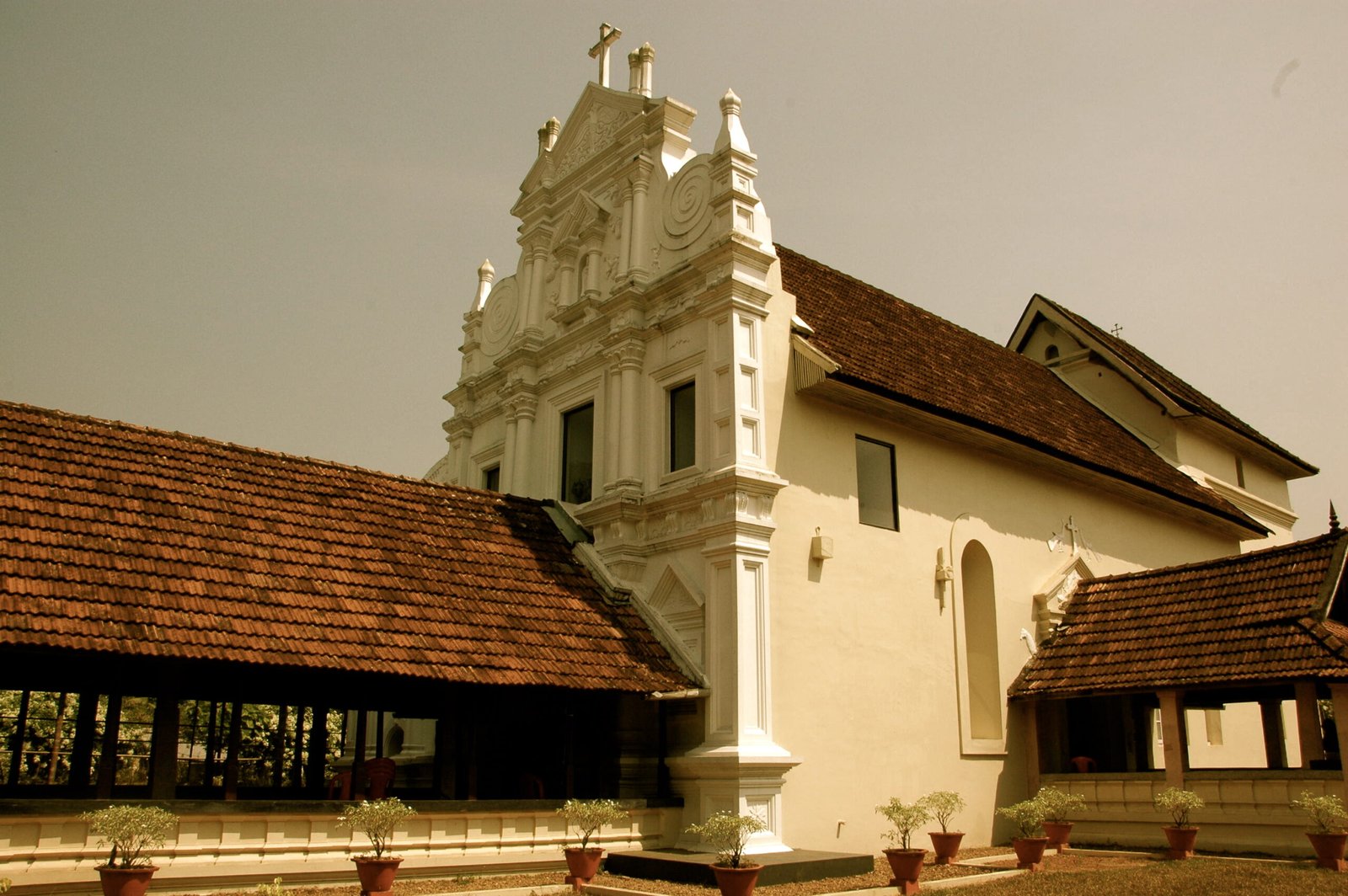
On 3 January 1653, thousands of Syrian Christians gathered at the Church of Our Lady of Life in Mattancherry, Kochi. Unable to accommodate the crowd inside the church, the faithful assembled around the large stone cross in the church courtyard. Holding ropes tied to the cross, they solemnly swore that they would no longer submit to the authority of the Jesuit missionaries.
According to tradition, the tremendous force exerted by the crowd caused the cross to bend slightly, giving rise to the name “Coonan Cross” (Leaning Cross). The oath, remembered as the Coonan Cross Oath, became the most dramatic public declaration of resistance by the Saint Thomas Christians against Portuguese ecclesiastical authority.
The Consecration of Mar Thoma I
Following the oath, a synod convened at Edappally during Lent elected Archdeacon Thomas Parambil as the Administrator of the Malabar Church. Four prominent priests were appointed as his advisers:
- Parambil Chandy
- Vengoor Geevarghese
- Kadavil Chandy
- Anjilimoottil Ittithomman
On 22 May 1653, twelve priests together laid hands upon the Archdeacon and consecrated him as bishop. He assumed the title Mar Thoma I, becoming the first bishop of the independent Malankara Church.
Historical records indicate that Fr. Anjilimoottil Ittithomman, a priest of the Thekkumbhagar (Southist/Knanaya) community and adviser to the Archdeacon, played a significant role in preparing the documents supporting the consecration. The authenticity of some of these documents has been debated by later historians.
Most of the churches of the Saint Thomas Christians accepted the leadership of Mar Thoma I. However, the Southist churches of Kaduthuruthy and Udayamperoor, together with a few others, remained loyal to Archbishop Garcia. These churches later became known as the “Five and a Half Churches” (Anchara Pallikal).
The Carmelite Mission
Since the Portuguese authorities failed to restore unity, the Congregation for the Propagation of the Faith (Propaganda Fide) sent the Carmelite missionary Fr. Joseph Sebastiani to Malabar in 1657 as its Apostolic Delegate.
With the support of Parambil Chandy, Sebastiani convened meetings at Edappally, Muttam, and Mattancherry, arguing that the consecration of Mar Thoma I was canonically invalid. As a result, nearly thirty churches eventually returned to communion with Rome.
While Sebastiani was in Rome presenting his report, a second Carmelite delegate, Fr. Hyacinth of St. Vincent, arrived in India. During this period, Mar Thoma I produced another document claiming that Mar Ahatallah had appointed him as Patriarch. The authenticity of this document has also remained a matter of historical debate.
Archbishop Francisco Garcia died in 1659, and Hyacinth of St. Vincent died in 1661. In the same year, Joseph Sebastiani returned to Malabar as bishop and continued the work of restoring ecclesiastical unity among the Saint Thomas Christians.
The Coonan Cross Oath remains one of the defining events in the history of Christianity in India, marking the beginning of the separation between the Malankara Syrian Church and the communities that remained in communion with the Catholic Church.
കൂനന് കുരിശ് സത്യം (1653)
പോര്ച്ചുഗീസ് പദ്രുവാദോ ഭരണത്തിനെതിരെയും ജസ്യൂട്ട് മിഷണറിമാരുടെ ആധിപത്യത്തിനെതിരെയും മലബാര് സുറിയാനി ക്രൈസ്തവര് നടത്തിയ ഏറ്റവും നിര്ണായകമായ പ്രതിഷേധമായിരുന്നു 1653 ജനുവരി 3-ന് നടന്ന കൂനന് കുരിശ് സത്യം. ഈ സംഭവം പിന്നീട് കേരളത്തിലെ സുറിയാനി ക്രൈസ്തവസഭയുടെ ചരിത്രഗതിയെ മാറ്റിമറിച്ച സുപ്രധാന വഴിത്തിരിവായി.
മാര് അഹത്തള്ളയുടെ വരവും അറസ്റ്റും
മാര് അഹത്തള്ള (Mar Ahatallah) എന്ന പൗരസ്ത്യ മെത്രാന് 1652-ല് മൈലാപ്പൂരിലെത്തി. അലപ്പോയില് ജനിച്ച അദ്ദേഹം ഏകദേശം 1631-ല് മെത്രാനായി അഭിഷിക്തനായി. റോമുമായുള്ള ബന്ധം നിലനിര്ത്തിയിരുന്ന അദ്ദേഹം അലക്സാണ്ട്രിയയില്വെച്ച് കോപ്റ്റിക് പാത്രിയര്ക്കീസിന്റെ സാന്നിധ്യത്തില് മലബാറിലെ അര്ക്കദ്യാക്കോന് തോമയുടെ അപേക്ഷകളെക്കുറിച്ച് അറിയുകയും തുടര്ന്ന് ഇന്ത്യയിലേക്ക് യാത്ര തിരിക്കുകയും ചെയ്തു.
എന്നാല് മൈലാപ്പൂരിലെത്തിയ ഉടന് തന്നെ ജസ്യൂട്ട് മിഷണറിമാര് അദ്ദേഹത്തെ തടവിലാക്കുകയും ഗോവയിലെ ഇന്ക്വിസിഷന് കോടതിയിലേക്ക് അയയ്ക്കാന് തീരുമാനിക്കുകയും ചെയ്തു. മൈലാപ്പൂര് സന്ദര്ശിച്ച മലബാര് സുറിയാനി ശെമ്മാശന്മാര് ഈ വിവരം കേരളത്തിലെ വിശ്വാസികളെ അറിയിച്ചു. താന് ഇന്ത്യയുടെയും ചൈനയുടെയും പാത്രിയര്ക്കീസ് ആണെന്ന് മാര് അഹത്തള്ള അവകാശപ്പെട്ടിരുന്നതായും വാര്ത്ത പരന്നു. ഇതോടെ അദ്ദേഹത്തിന്റെ വരവിനെക്കുറിച്ചുള്ള വാര്ത്ത മലബാറിലുടനീളം അതിവേഗം വ്യാപിച്ചു.
ഗാര്സ്യയുടെ നിലപാട്
ഉദയംപേരൂരില് സമ്മേളിച്ച സുറിയാനി ക്രൈസ്തവര് ഗോവ മെത്രാപ്പോലീത്ത ഫ്രാന്സിസ് ഗാര്സ്യയോട് മാര് അഹത്തള്ളയെ മോചിപ്പിച്ച് മലബാറിലേക്ക് കൊണ്ടുവരണമെന്ന് അഭ്യര്ത്ഥിച്ചു. എന്നാല്, മാര് അഹത്തള്ള മാര്പാപ്പയുടെ അനുമതിയോടെയാണ് വന്നതെങ്കിലും പോര്ച്ചുഗീസ് രാജാവിന്റെ അനുമതിയില്ലാതെ മലബാറില് പ്രവേശിപ്പിക്കാന് കഴിയില്ലെന്നായിരുന്നു ഗാര്സ്യയുടെ മറുപടി.
ഇതിനിടെ, ജസ്യൂട്ട് വൈദികര്ക്കെതിരെ ശക്തമായ പ്രതിഷേധം വിവിധ പ്രദേശങ്ങളില് ഉയര്ന്നു. ‘ഈശോസഭക്കാര് ശീശ്മക്കാരാണ്’ എന്ന ആരോപണം ഉയര്ത്തിക്കൊണ്ട് വിശ്വാസികള് സംഘടിതരായി.
കൂനന് കുരിശ് സത്യം
മാര് അഹത്തള്ളയെ കൊച്ചിയില് ഇറക്കാതെ ഗോവയിലേക്ക് കൊണ്ടുപോയി. പിന്നീട് അദ്ദേഹത്തെ കടലില് കെട്ടിത്താഴ്ത്തി കൊലപ്പെടുത്തിയെന്ന അഭ്യൂഹം കേരളമൊട്ടാകെ പ്രചരിച്ചു. ഇതോടെ സുറിയാനി ക്രൈസ്തവരില് കടുത്ത പ്രതിഷേധമുയര്ന്നു.
1653 ജനുവരി 3-ന് ആയിരക്കണക്കിന് വിശ്വാസികള് മട്ടാഞ്ചേരിയിലെ ദൈവമാതാവിന്റെ പള്ളിയില് (Our Lady of Life Church) ഒത്തുകൂടി. അവിടെ പള്ളിമുറ്റത്തെ വലിയ കല്ക്കുരിശില് കയറുകള് കെട്ടി പിടിച്ചുകൊണ്ട്,
‘ഇനിമേല് ഞങ്ങള് ഈശോസഭാ (ജസ്യൂട്ട്) വൈദികരെ അനുസരിക്കുകയില്ല.’
എന്ന പ്രതിജ്ഞ എല്ലാവരും ചേര്ന്ന് ചെയ്തു. ജനങ്ങളുടെ ബലമായ വലിച്ചിഴക്കലില് കുരിശ് ഒരു വശത്തേക്ക് ചെരിഞ്ഞുവെന്നാണ് പരമ്പരാഗത വിശ്വാസം. ഈ സംഭവമാണ് പിന്നീട് ‘കൂനന് കുരിശ് സത്യം’ എന്ന പേരില് ചരിത്രത്തില് അറിയപ്പെട്ടത്.
മാര്ത്തോമാ ഒന്നാമന്റെ സ്ഥാനാരോഹണം
കൂനന് കുരിശ് സത്യത്തിനുശേഷം മൂന്നുനോമ്പുകാലത്ത് ഇടപ്പള്ളിയില് ചേര്ന്ന സമ്മേളനത്തില് അര്ക്കദ്യാക്കോന് പറമ്പില് തോമയെ സഭയുടെ ഭരണാധികാരിയായി (Administrator) തിരഞ്ഞെടുത്തു. അദ്ദേഹത്തെ സഹായിക്കുന്നതിനായി നാല് ഉപദേഷ്ടാക്കളെയും നിയമിച്ചു:
പറമ്പില് ചാണ്ടി
വേങ്ങൂര് ഗീവര്ഗീസ്
കടവില് ചാണ്ടി
ആഞ്ഞിലിമൂട്ടില് ഇട്ടിത്തൊമ്മന്
തുടര്ന്ന് 1653 മേയ് 22-ന് പന്ത്രണ്ട് വൈദികര് ചേര്ന്ന് അര്ക്കദ്യാക്കോന് പറമ്പില് തോമയെ മെത്രാനായി അഭിഷേകം ചെയ്തു. അദ്ദേഹം പിന്നീട് മാര്ത്തോമാ ഒന്നാമന് എന്ന പേരില് അറിയപ്പെട്ടു.
ഈ അഭിഷേകത്തിന് സാധുത തെളിയിക്കുന്ന രേഖകള് തയ്യാറാക്കുന്നതില് അര്ക്കദ്യാക്കോന്റെ ഉപദേഷ്ടാവും തെക്കുംഭാഗ വൈദികനുമായ ആഞ്ഞിലിമൂട്ടില് ഇട്ടിത്തൊമ്മന് കത്തനാര് പ്രധാന പങ്കുവഹിച്ചതായി ചരിത്രരേഖകള് സൂചിപ്പിക്കുന്നു. പിന്നീട് ഈ രേഖകളുടെ ആധികാരികതയെക്കുറിച്ച് ചരിത്രകാരന്മാര്ക്കിടയില് വ്യത്യസ്ത അഭിപ്രായങ്ങള് ഉയര്ന്നിട്ടുണ്ട്.
കടുത്തുരുത്തിയും ഉദയംപേരൂരും ഉള്പ്പെടെയുള്ള ഏതാനും തെക്കുംഭാഗ പള്ളികള് ഒഴികെ ഭൂരിഭാഗം മലബാര് സുറിയാനി പള്ളികളും മാര്ത്തോമാ ഒന്നാമന്റെ നേതൃത്വത്തെ അംഗീകരിച്ചു. ഗാര്സ്യയെ പിന്തുണച്ചവര് വളരെ കുറവായിരുന്നു. ഗാര്സ്യയോട് വിശ്വസ്തത പുലര്ത്തിയ തെക്കുംഭാഗ പള്ളികള് പിന്നീട് ‘അഞ്ചരപ്പള്ളിക്കാര്’ എന്ന പേരില് അറിയപ്പെട്ടു.
കര്മ്മലീത്ത മിഷന്റെ ഇടപെടല്
സംഘര്ഷം പരിഹരിക്കുന്നതില് ഗോവ സഭാഭരണത്തിന് പരാജയമായതിനെ തുടര്ന്ന്, റോമിലെ പ്രൊപ്പഗണ്ട ഫിദെ 1657-ല് കര്മ്മലീത്താ വൈദികനായ ഫാ. ജോസഫ് സെബസ്ത്യാനിയെ മലബാറിലേക്ക് പ്രത്യേക പ്രതിനിധിയായി അയച്ചു.
പറമ്പില് ചാണ്ടിയച്ചന്റെ പിന്തുണയോടെ സെബസ്ത്യാനി ഇടപ്പള്ളി, മുട്ടം, മട്ടാഞ്ചേരി എന്നിവിടങ്ങളില് പൊതുയോഗങ്ങള് സംഘടിപ്പിച്ചു. അര്ക്കദ്യാക്കോന്റെ മെത്രാഭിഷേകം കാനോനികമായി അസാധുവാണെന്ന് അദ്ദേഹം വിശദീകരിച്ചു. ഇതിന്റെ ഫലമായി ഏകദേശം മുപ്പതോളം പള്ളികള് മാര്ത്തോമാ ഒന്നാമന്റെ നേതൃത്വത്തില് നിന്ന് പിന്മാറാന് തയ്യാറായി.
സെബസ്ത്യാനി തന്റെ റിപ്പോര്ട്ട് റോമില് സമര്പ്പിക്കാന് പോയ സമയത്താണ് രണ്ടാം കര്മ്മലീത്താ പ്രതിനിധിയായ ഹയസിന്ത് ഓഫ് സെന്റ് വിന്സെന്റ് മലബാറിലെത്തിയത്. ഈ കാലഘട്ടത്തില് മാര്ത്തോമാ ഒന്നാമന്, തന്നെ പാത്രിയര്ക്കീസായി മാര് അഹത്തള്ള നിയമിച്ചുവെന്ന അവകാശവാദത്തെ പിന്തുണയ്ക്കുന്ന മറ്റൊരു രേഖയും പുറത്തുവിട്ടു. എന്നാല് അതിന്റെ ആധികാരികതയും പിന്നീട് ചോദ്യം ചെയ്യപ്പെട്ടു.
1659-ല് ആര്ച്ച് ബിഷപ്പ് ഫ്രാന്സിസ് ഗാര്സ്യ അന്തരിച്ചു. 1661-ല് ഹയസിന്തും മരണപ്പെട്ടു. അതേ വര്ഷം തന്നെ ജോസഫ് സെബസ്ത്യാനി മലബാറിലെ ആര്ച്ച് ബിഷപ്പായി നിയമിതനായി സഭയിലെ ഐക്യം പുനഃസ്ഥാപിക്കുന്നതിനുള്ള ശ്രമങ്ങള്ക്ക് നേതൃത്വം നല്കി.