Following the tenure of Archbishop Aleixo de Menezes’ successors, Archbishop Francisco Garcia, S.J. succeeded Archbishop Francisco Ros (Britto/Roz) as the Latin Archbishop exercising authority over the Saint Thomas Christians. Garcia adopted a firm policy that gave little recognition to the traditional authority of the Archdeacon, the hereditary leader of the Saint Thomas Christian community.
Archdeacon Thomas Parambil, on the other hand, was determined to preserve the historic rights and privileges of the office of the Archdeacon. In this struggle, he received considerable support from the Dominican Order, which favored protecting the traditional ecclesiastical structure of the Syrian Christians.
In 1647, the Archdeacon wrote to Rome, requesting that the Discalced Carmelites be permitted to work among the Syrian Christians. To strengthen his appeals, he appointed three Carmelite priests as his procurators (representatives) in Rome, Lisbon, and Goa. Through these representatives, he sought recognition of the rights of the Saint Thomas Christians and appealed for the appointment of a bishop acceptable to the Syrian Christian community.
At the same time, Archdeacon Thomas also wrote to the Patriarchs of the Eastern Churches, requesting that a bishop be sent to Malabar for the Syrian Christians. This reflected the community’s continuing desire to restore an Eastern ecclesiastical hierarchy after the disruptions that followed the Synod of Diamper (1599).
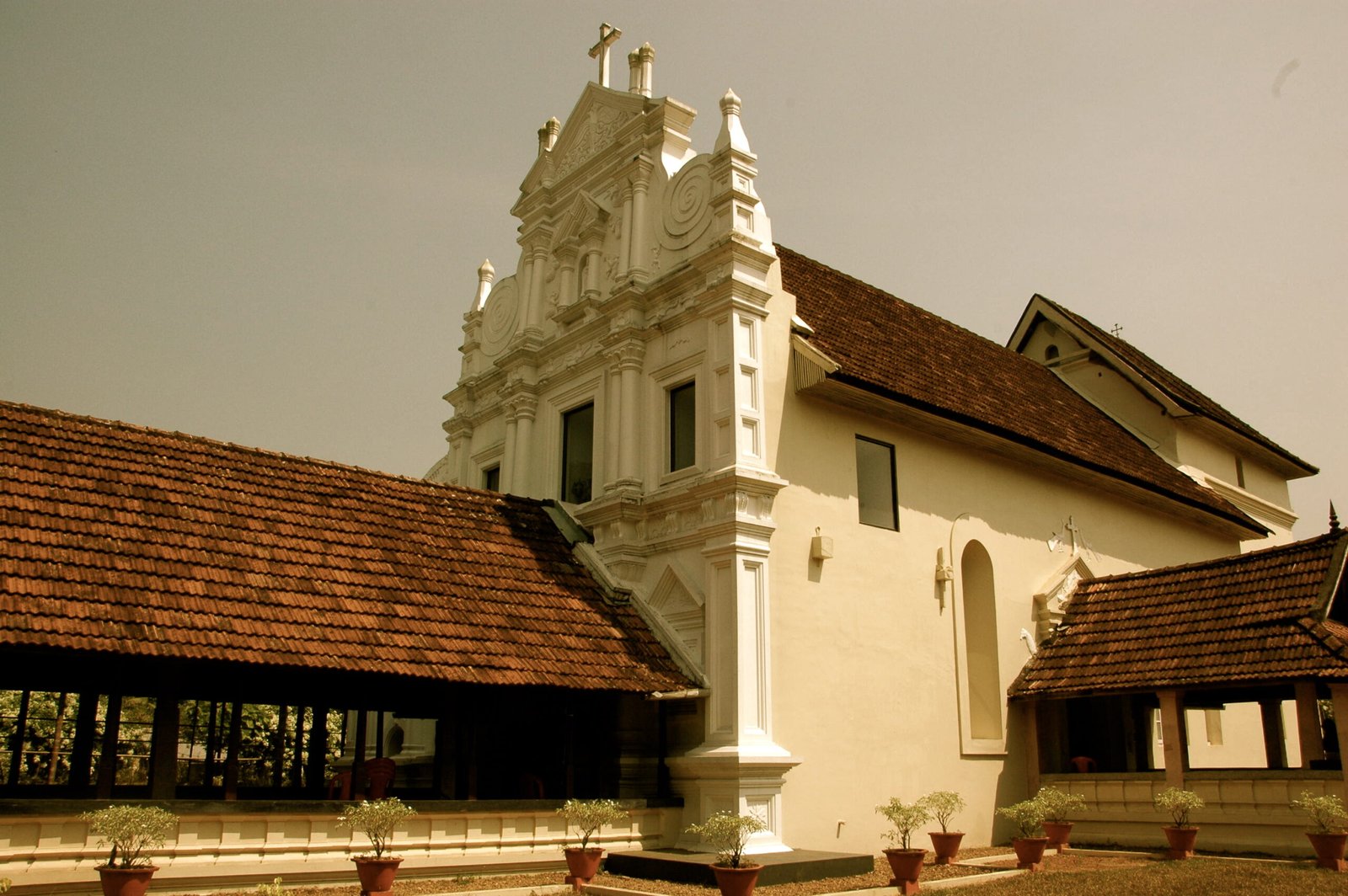
The conflict between Archbishop Garcia and Archdeacon Thomas soon became more visible. Garcia even issued an order forbidding the Archdeacon from entering Edappally Church, an important centre of the Syrian Christians. Nevertheless, Archdeacon Thomas ignored the prohibition, entered the church, and celebrated the Holy Qurbana, demonstrating both his determination to defend the traditional authority of the Archdeacon and the widespread support he enjoyed among the faithful.
The growing disagreement between Archbishop Francisco Garcia and Archdeacon Thomas Parambil became one of the major developments leading to the increasing tensions within the Saint Thomas Christian community during the mid-seventeenth century, eventually contributing to the events that culminated in the Coonan Cross Oath (1653).
ഫ്രാന്സീസ് ഗാര്സ്യയും അര്ക്കദ്യാക്കോന് പറമ്പില് തോമയും
മാര് ഫ്രാന്സിസ് റോസിന്റെ (ബ്രിട്ടോ) പിന്ഗാമിയായി ഗോവ മെത്രാപ്പോലീത്തയായി ഫ്രാന്സീസ് ഗാര്സ്യ നിയമിതനായതോടെ മലബാര് സുറിയാനി ക്രൈസ്തവരുടെ സഭാഭരണത്തില് പുതിയ സംഘര്ഷങ്ങള്ക്ക് തുടക്കമായി. പാരമ്പര്യമായി വിശ്വാസികളുടെ നേതൃത്വസ്ഥാനം വഹിച്ചിരുന്ന അര്ക്കദ്യാക്കോന്റെ അധികാരങ്ങള് അംഗീകരിക്കാന് ഗാര്സ്യ തയ്യാറായിരുന്നില്ല. മറുവശത്ത്, അര്ക്കദ്യാക്കോന് പറമ്പില് തോമ തന്റെ പദവിയുടെയും സഭയുടെ പാരമ്പര്യ അവകാശങ്ങളുടെയും സംരക്ഷണത്തില് ഉറച്ച നിലപാടാണ് സ്വീകരിച്ചത്.
ഈ പോരാട്ടത്തില് അര്ക്കദ്യാക്കോന് ഡൊമിനിക്കന് സന്യാസിമാരുടെ പിന്തുണ ലഭിച്ചു. സുറിയാനി ക്രൈസ്തവരുടെ ആത്മീയ ശുശ്രൂഷയ്ക്കായി കര്മ്മലീത്താ മിഷണറിമാരെ മലബാറില് പ്രവര്ത്തിക്കാന് അനുവദിക്കണമെന്നാവശ്യപ്പെട്ട് 1647-ല് അദ്ദേഹം റോമിലെ വിശ്വാസപ്രചാരണ സംഘത്തിന് (Propaganda Fide) നിവേദനം സമര്പ്പിച്ചു. കൂടാതെ റ???, ലിസ്ബണ്, ഗോവ എന്നീ കേന്ദ്രങ്ങളില് തന്റെ പ്രതിനിധികളായി (Procurators) മൂന്ന് കര്മ്മലീത്താ വൈദികരെയും നിയമിച്ചു.
മലബാര് സുറിയാനി സഭയ്ക്ക് പൗരസ്ത്യ പാരമ്പര്യമുള്ള ഒരു മെത്രാനെ നിയമിച്ചുനല്കണമെന്നാവശ്യപ്പെട്ട് അര്ക്കദ്യാക്കോന് പൗരസ്ത്യ സുറിയാനി പാത്രിയര്ക്കീസുമാര്ക്കും കത്തയച്ചു. ലത്തീന് സഭാഭരണത്തില് നിന്നു വ്യത്യസ്തമായി, പൗരസ്ത്യ സഭാപാരമ്പര്യം പുനഃസ്ഥാപിക്കണമെന്ന സുറിയാനി ക്രൈസ്തവരുടെ ആഗ്രഹത്തിന്റെ പ്രകടനമായിരുന്നു ഈ ശ്രമങ്ങള്.
അര്ക്കദ്യാക്കോന്റെ സ്വാധീനം കുറയ്ക്കാന് ഫ്രാന്സീസ് ഗാര്സ്യ വിവിധ നടപടികള് സ്വീകരിച്ചു. അതിന്റെ ഭാഗമായി ഇടപ്പള്ളി പള്ളിയില് പ്രവേശിക്കുന്നതില് നിന്ന് അര്ക്കദ്യാക്കോനെ വിലക്കുന്ന കല്പനയും അദ്ദേഹം പുറപ്പെടുവിച്ചു. എന്നാല് ആ വിലക്ക് അവഗണിച്ച് അര്ക്കദ്യാക്കോന് പറമ്പില് തോമ ഇടപ്പള്ളി പള്ളിയില് പ്രവേശിക്കുകയും വിശുദ്ധ കുര്ബാന അര്പ്പിക്കുകയും ചെയ്തു. ഈ സംഭവം അദ്ദേഹത്തിന്റെ നേതൃത്വത്തെയും വിശ്വാസിസമൂഹത്തിന്റെ ശക്തമായ പിന്തുണയെയും പ്രതിഫലിപ്പിക്കുന്നതായിരുന്നു.
ഫ്രാന്സീസ് ഗാര്സ്യയും അര്ക്കദ്യാക്കോന് പറമ്പില് തോമയും തമ്മിലുള്ള ഈ അധികാരസംഘര്ഷം പിന്നീട് മലബാര് സുറിയാനി സഭയിലെ അസംതൃപ്തി രൂക്ഷമാകുന്നതിനും, ഒടുവില് 1653-ലെ കൂനന് കുരിശ് സത്യത്തിലേക്ക് നയിച്ച ചരിത്രസംഭവങ്ങളുടെ പ്രധാന പശ്ചാത്തലങ്ങളില് ഒന്നായി മാറുകയും ചെയ്തു.