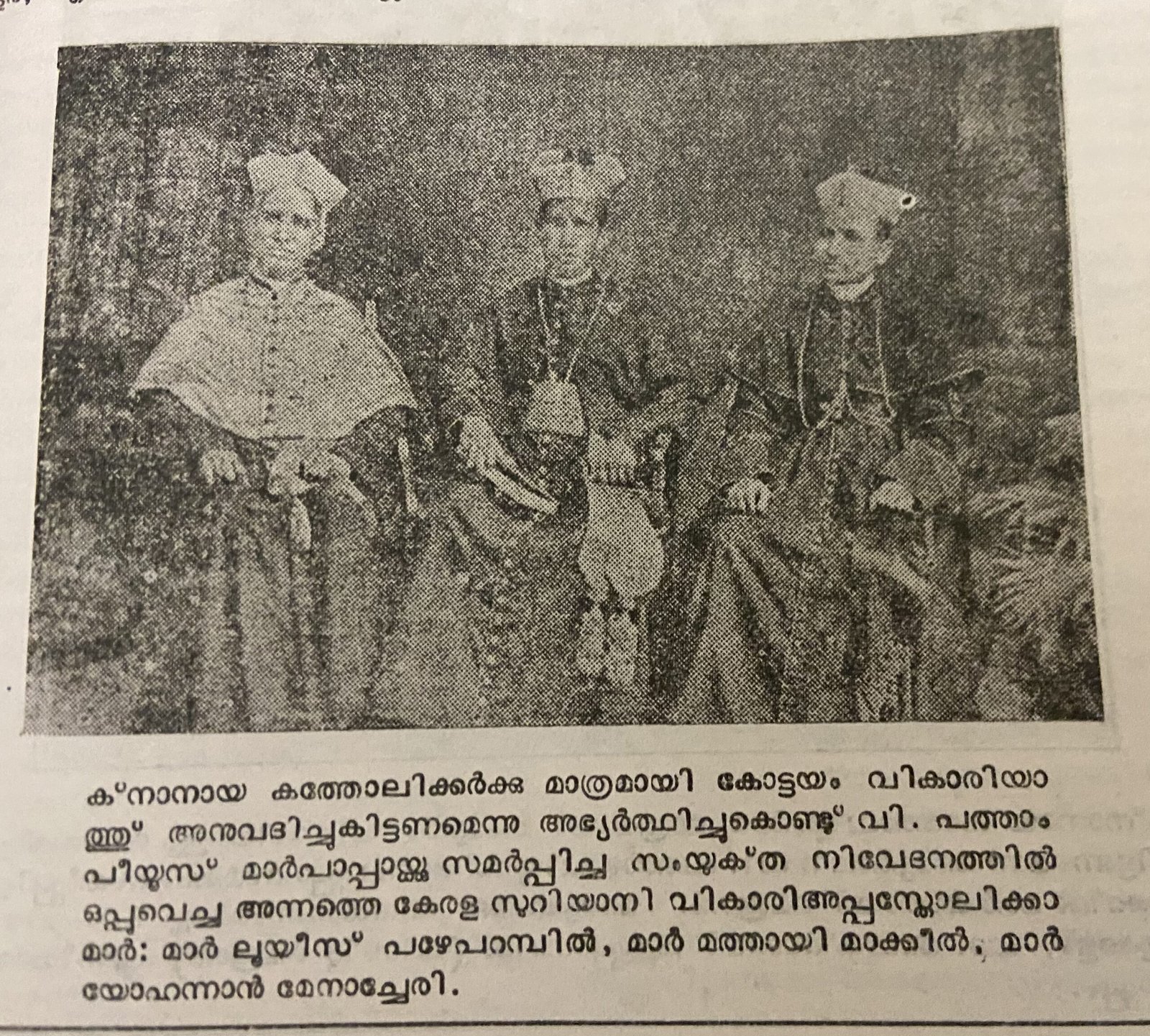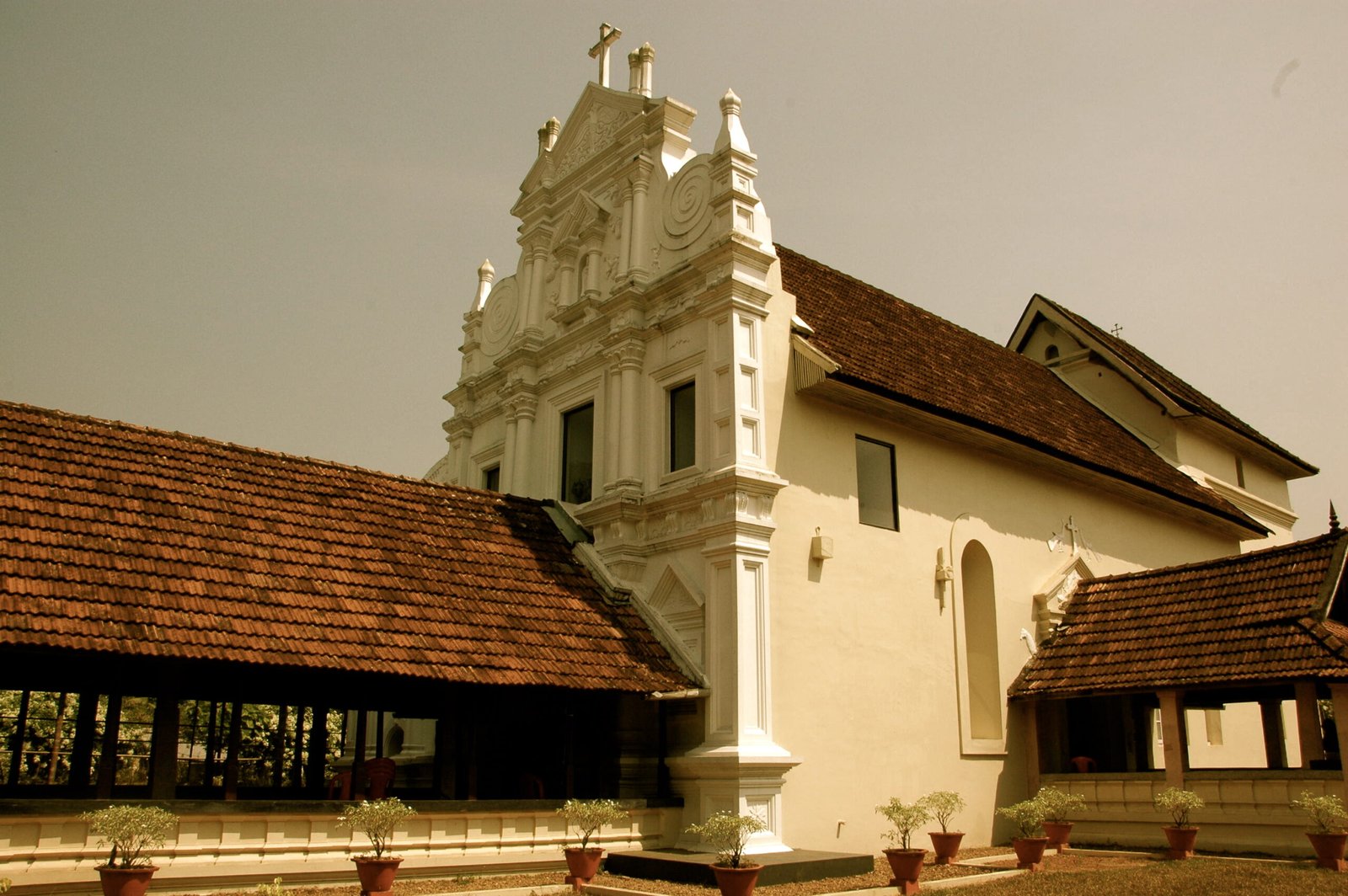
The suppression of the Padroado jurisdiction in 1838 placed the majority of the Syriac churches of Malabar under the jurisdiction of the Apostolic Vicariate of Verapoly.
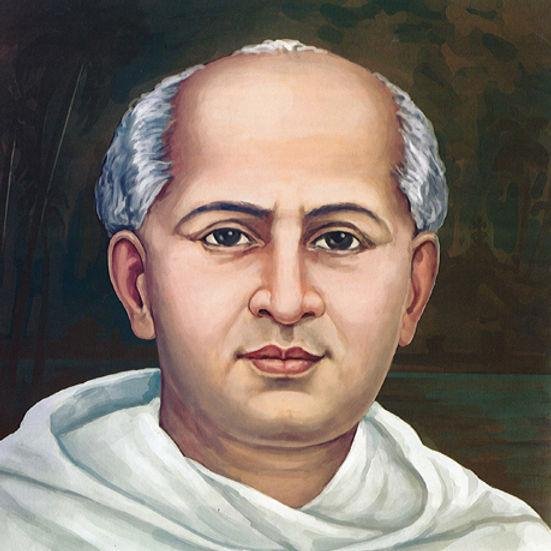
Responding to the requests of Fr. Thomas Palackal and Fr. Thomas Porukara, Bishop Bernardino Baccinelli Stabilini, Vicar Apostolic of Verapoly, supported the establishment of an indigenous religious congregation. Under the guidance of Fr. Leopold Beccaro OCD, the first members professed their religious vows on 8 December 1855. Among them was Fr. Kuriakose Elias Chavara, who later became one of the founders of the Carmelites of Mary Immaculate (CMI). In the same year (1855), the traditional Malpanate system of priestly formation was abolished.
Many of the former Padroado churches, however, desired to have a bishop from the Chaldean Catholic Church. To achieve this, two representatives—Fr. Antony Kudakkachira and Fr. Antony Thondanad—were sent to Baghdad in 1857 to petition the Chaldean Patriarch.
Fr. Antony Kudakkachira died during the mission. Fr. Antony Thondanad returned to Malabar in 1861, accompanied by Mar Thomas Roccos, a bishop sent by the Chaldean Catholic Patriarch. Mar Roccos received the support of a large number of Syriac Catholics in Malabar.
During this period, Fr. Kuriakose Elias Chavara was appointed Vicar General and played a crucial role in preserving communion with the Holy See.
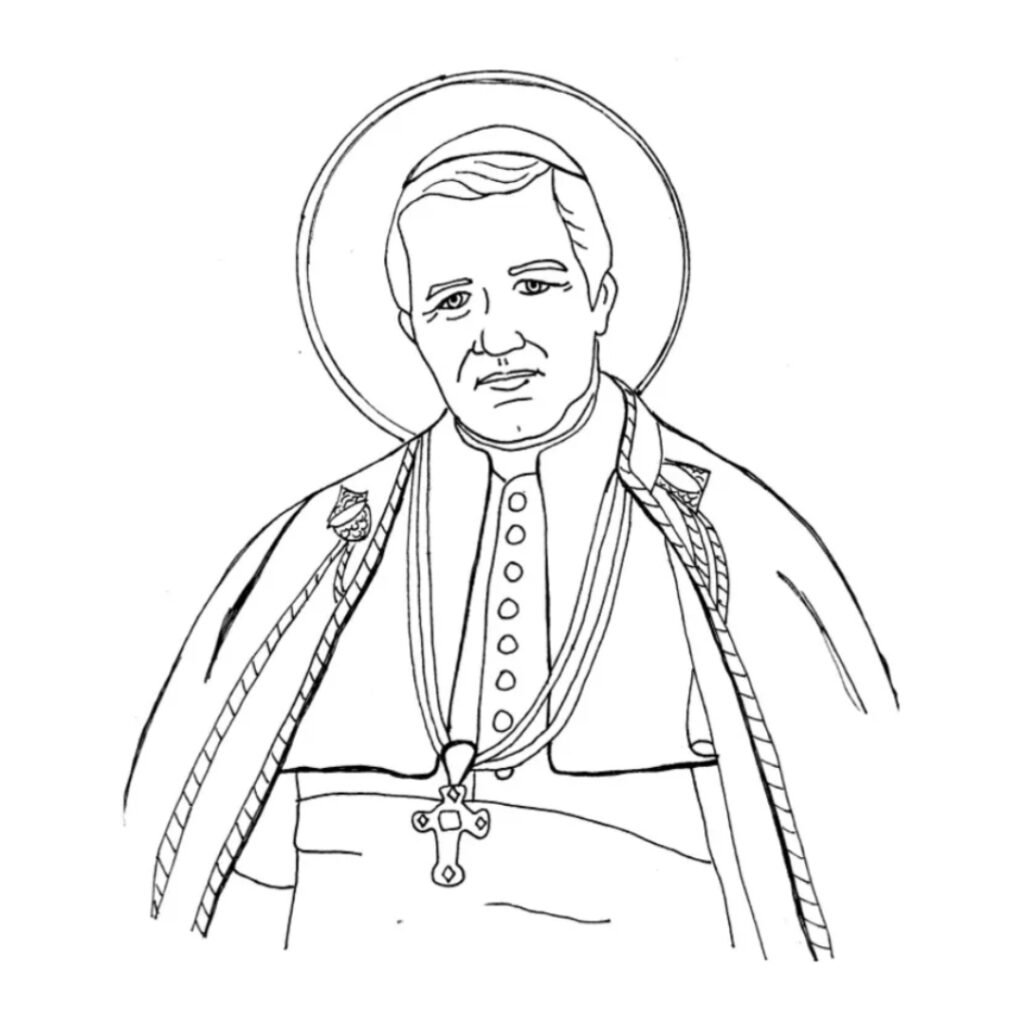
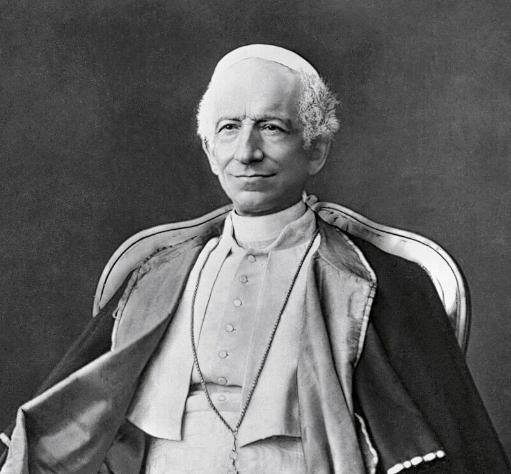
Acting on the instructions of Pope Pius IX, the Chaldean Catholic Patriarch Mar Joseph Audo recalled Mar Thomas Roccos, who left Malabar on 7 September 1862 (some historical accounts record 1864; the commonly accepted chronology places his departure in 1862 after the papal directive).
Fr. Antony Thondanad accompanied Mar Roccos on his return. Later, he received episcopal consecration from the Patriarch of the Assyrian Church of the East (often referred to historically as the Nestorian Patriarch) and returned to Malabar under the name Mar Abdisho. However, he was subsequently reconciled with the Catholic Church, relinquished his episcopal claims, and continued his ministry as a Catholic priest.
The Roccos Schism was the first major nineteenth-century attempt by sections of the St. Thomas Christians to restore direct ecclesiastical ties with the Chaldean hierarchy. Although it ended with the recall of Mar Roccos, it foreshadowed the later Mellus Schism, which had a more lasting impact on the history of the Syro-Malabar Church.
റോക്കോസ് & മേലൂസ് ശീശ്മ
പദ്രുവാദോ അധികാരം നിര്ത്തല് ചെയ്യപ്പെട്ടപ്പോള് ഭൂരിഭാഗം സുറിയാനിപള്ളികളും വരാപ്പുഴയുടെ കീഴിലായി. പാലയ്ക്കലച്ചന്, പേരുക്കരയച്ചന് എന്നിവരുടെ അപേക്ഷ പരിഗണിച്ച് സ്തബീലീനി മെത്രാന് തദ്ദേശിയ സന്യാസസമൂഹത്തിന് പിന്തുണ നല്കി. ഫാ. ലെയോപോള്ദ്. 1855 ഡിസംബര് 8 ന് ആദ്യസമൂഹം വ്രതമെടുത്തു, ചാവറയച്ചന്. റ്റി. ഒ.സി.ഡി. 1855 ല് മല്പാനേറ്റ് നിര്ത്തലാക്കപ്പെട്ടു. പഴയ പദ്രുവാദോ പള്ളികള് ഒരു കല്ദായ മെത്രാനെ കൊണ്ടുവരാന് ആഗ്രഹിച്ചു. പ്രതിനിധികള് – ആന്തോണി കുടക്കച്ചിറ, അന്തോണി തൊണ്ടനാട് – 1857 ല് ബാഗ്ദാദിലേയ്ക്ക് പോയി. കുടക്കച്ചിറയച്ചന് മരണപ്പെട്ടു. തൊണ്ടനാട്ടച്ചന് മാര് തോമസ് റോക്കോസ് എന്ന മെത്രാനുമായി 1861 ല് മലബാറിലെത്തി. വളെരെയേറെ സുറിയാനി പള്ളിക്കാര് അദ്ദേഹത്തെ അനുഗമിച്ചു. ചാവറയച്ചനെ വികാരി ജനറാളാക്കി. പാപ്പയുടെ നിര്ദേശാനുസരണം മാര് അവുദോ പാത്രിയര്ക്കീസ് മാര് റോക്കോസിനെ 1867 സെപ്തംബര് 7 ന് തിരികെ വിളിച്ചു. അദ്ദേഹത്തിന്റെ കൂടെ തിരിച്ച ഫാ. അന്തോണി തൊണ്ടനാട് നെസ്തോറിയന് പാത്രിയര്ക്കീസില്നിന്ന് മെത്രാന്സ്ഥാനം സ്വീകരിച്ചു തിരികെ വന്നു. മാര് അബ്ദീശോ എന്ന പേരില് മലബാറിലെത്തി. പക്ഷേ അനുരജ്ഞനപ്പെട്ടു ഒരു വൈദികനായി തുടര്ന്നു.