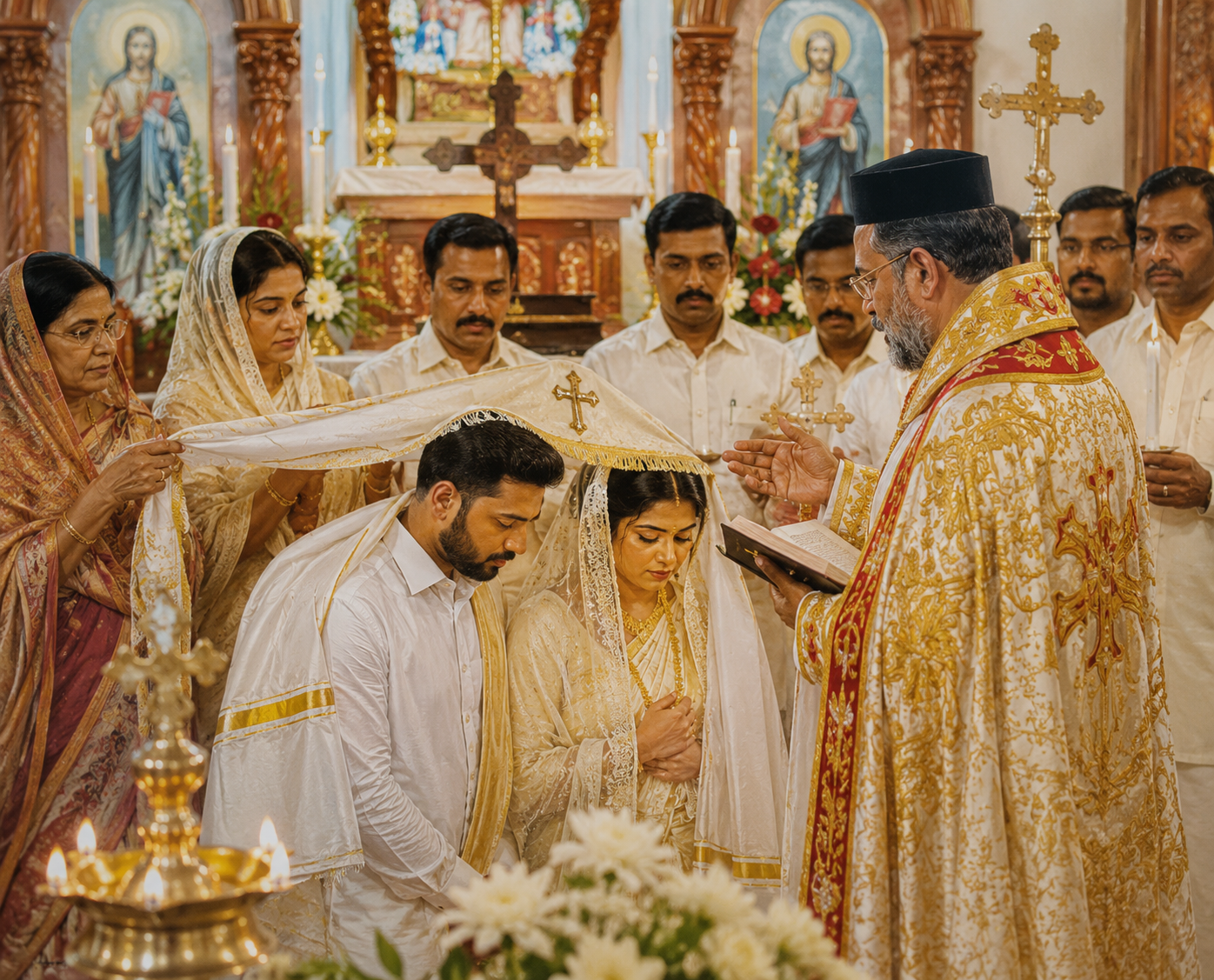
The unique identity of the Thekkumbhagar community is shaped by a rich cultural heritage comprising a wide variety of communal customs and ceremonies. This cultural legacy offers valuable material for scholarly research in disciplines such as Sociology, Folklore Studies, Anthropology, and Ethnology.
From ancient times, the Thekkumbhagar community has observed a range of customs and rituals associated with the most significant milestones in human life—birth, marriage, and death. These ceremonies serve not only to foster personal dignity and self-esteem but also to strengthen family ties and social relationships. Within these rituals, individuals are assigned distinct roles based on kinship and communal relationships, conferring upon them both honour and responsibility.
The primary reason for examining the customs and ceremonies of the Thekkumbhagar community as the second chapter of Vazhikkoorayi is that they vividly reflect the community’s Vazhikkoor—its steadfast fidelity to the Christian faith. Nearly every important custom and ceremony bears witness to this enduring commitment.
This fidelity is expressed in baptizing infants on the eighth day after birth and welcoming them into the communion of the Church; in bestowing traditional Christian names inherited from their ancestors; in fixing the wedding date under the guidance of the priest (māran), as described in the Antham Charthu Pattu; in commencing ceremonies by invoking the blessings of “Uthamanaya Mishiha” (the Good Messiah), “Kantheeshan,” and St. Thomas the Apostle, as celebrated in the Marthoman Pattu; in professing faith in God, who created the world and formed Adam from the dust of the earth, as expressed in the Mailanchi Iteel Pattu; in linking the henna ceremony with Adam’s original sin while praying that future generations may receive God’s righteousness; in honouring family elders with the acclamation, “Praise be to Jesus Christ”; and in the traditional marriage rite described in the Antham Charthu Pattu, where the bridegroom ties the thali after prayers and blessings in the church.
Likewise, the blessing of the bride and groom in the church during the Barmariyam ceremony recalls the Paschal Mystery of Christ. At death, after the funeral rites and burial, the faithful return from the cemetery to the church to participate in prayers for the deceased, expressing their hope in Christ’s Resurrection. Customs that encourage mutual love and enduring kinship further reinforce the community’s commitment to preserving family and social bonds.
Taken together, these customs and ceremonies constitute living expressions of the Thekkumbhagar community’s unwavering fidelity to the Christian faith and its determination to preserve its religious and cultural heritage across generations.
തെക്കുംഭാഗരുടെ സാമുദായിക ആചാരങ്ങളും ചടങ്ങുകളും
വിപുലവും വൈവിധ്യപൂര്ണവുമായ സാമുദായിക ആചാരങ്ങളും ചടങ്ങുകളും ഉള്ക്കൊള്ളുന്ന സമ്പന്നമായ സാംസ്കാരിക പൈതൃകമാണ് തെക്കുംഭാഗ സമുദായത്തിന്റെ തനിമയെ രൂപപ്പെടുത്തുന്നത്. ഈ പൈതൃകം സാമൂഹ്യശാസ്ത്രം (Sociology), നാടോടിവിജ്ഞാനീയം (Folklore Studies), നരവംശശാസ്ത്രം (Anthropology), വംശീയശാസ്ത്രം (Ethnology) തുടങ്ങിയ വിവിധ വിജ്ഞാനശാഖകളില് പഠനവിധേയമാകാന് പര്യാപ്തമാണ്.
ഒരു വ്യക്തിയുടെ ജീവിതത്തിലെ നിര്ണായക ഘട്ടങ്ങളായ ജനനം, വിവാഹം, മരണം എന്നിവയുമായി ബന്ധപ്പെട്ട ആചാരങ്ങളും ചടങ്ങുകളും പുരാതനകാലം മുതല് തെക്കുംഭാഗ സമുദായത്തില് നിലനിന്നുവരുന്നു. ഇവ വ്യക്തികള്ക്ക് ആത്മാഭിമാനം വളര്ത്തുന്നതിനും കുടുംബ-സാമൂഹിക ബന്ധങ്ങളെ ശക്തിപ്പെടുത്തുന്നതിനും സഹായകമാണ്. കുടുംബബന്ധങ്ങളുടെയും സാമുദായിക സഹവര്ത്തിത്വത്തിന്റെയും അടിസ്ഥാനത്തില് ഓരോ വ്യക്തിക്കും ചടങ്ങുകളില് വ്യത്യസ്ത ഉത്തരവാദിത്വങ്ങളും സ്ഥാനങ്ങളും നല്കപ്പെടുന്നു. ഇതുവഴി അവര്ക്ക് ഒരേസമയം ആദരവും ഉത്തരവാദിത്വബോധവും ലഭിക്കുന്നു.
തെക്കുംഭാഗരുടെ ആചാരങ്ങളും ചടങ്ങുകളും പഠനവിധേയമാക്കുന്നതിന്റെ പ്രധാന കാരണം, അവയുടെ ഭൂരിഭാഗവും ക്രിസ്തീയ വിശ്വാസത്തോടുള്ള അവരുടെ അചഞ്ചലമായ വഴിക്കൂറ് (വിശ്വസ്തത) വ്യക്തമായി പ്രതിഫലിപ്പിക്കുന്നതിനാലാണ്.
ജനനത്തിന്റെ എട്ടാം ദിവസം മാമ്മോദീസ സ്വീകരിച്ച് സഭാകൂട്ടായ്മയില് അംഗമാകുന്നതും, പൂര്വികരില് നിന്ന് പാരമ്പര്യമായി ലഭിച്ച ക്രിസ്തീയ നാമങ്ങള് സ്വീകരിക്കുന്നതും, വിവാഹത്തിന് ‘മാറാനെ മുന്നിര്ത്തി മാര്ഗമാനനാള് കുറിക്കുന്ന’ (അന്തംചാര്ത്തുപാട്ട്) ആചാരവും, ‘ഉത്തമനായ മിശിഹാ’, ‘കന്തീശാനായ’, മാര്ത്തോമ്മാശ്ലീഹാ എന്നിവരുടെ അനുഗ്രഹം പ്രാര്ത്ഥിച്ച് ചടങ്ങുകള് ആരംഭിക്കുന്നതും (മാര്ത്തോമ്മന്പാട്ട്), ദൈവം ലോകത്തെയും ആദത്തെയും സൃഷ്ടിച്ചതിലുള്ള വിശ്വാസം പ്രകടിപ്പിക്കുന്നതും (മൈലാഞ്ചിയിടീല്പാട്ട്), ആദത്തിന്റെ ആദ്യപാപത്തെ മൈലാഞ്ചിയിടീല് ചടങ്ങുമായി ബന്ധപ്പെടുത്തി സന്തതികള്ക്ക് നീതി ലഭിക്കണമെന്ന് പ്രാര്ത്ഥിക്കുന്നതും, ‘ഈശോമിശിഹായ്ക്ക് സ്തുതിയായിരിക്കട്ടെ’ എന്നു പറഞ്ഞ് കാരണവന്മാര്ക്ക് ആദരം അര്പ്പിക്കുന്നതും, ‘പുലരുംമുമ്പേ പള്ളിക്കകം പൂകി ബുദ്ധിയൊത്ത കത്തങ്ങള് മന്ത്രകോടി മങ്കയുടെ മടിയിലിട്ട് മാര്ഗമാന വചനം ചൊല്ലി തൊട്ടതാലി മണവാളന് മാര്ഗമായി കെട്ടുന്ന’ (അന്തംചാര്ത്തുപാട്ട്) വിവാഹചടങ്ങും, ഈശോയുടെ പെസഹാരഹസ്യത്തെ അനുസ്മരിപ്പിച്ചുകൊണ്ട് (ബര്മറിയം) വധൂവരന്മാരെ ദൈവാലയത്തില് ആശീര്വദിക്കുന്നതും, ഈശോയുടെ ഉത്ഥാനത്തിലുള്ള പ്രത്യാശയോടെ മൃതസംസ്കാരശുശ്രൂഷയ്ക്കുശേഷം സെമിത്തേരിയില് നിന്ന് ദൈവാലയത്തിലേക്ക് മടങ്ങി പ്രത്യേക പ്രാര്ത്ഥനകളില് പങ്കുചേര്ന്ന് നിര്യാതര്ക്കായി പ്രാര്ത്ഥിക്കുന്നതും, ബന്ധങ്ങള് ശാശ്വതമായി നിലനില്ക്കണമെന്ന സന്ദേശം ഉള്ക്കൊള്ളുന്ന ‘തങ്ങളില് തങ്ങളിലന്പോടെ തഴുകുന്ന’ ആചാരവും ഉള്പ്പെടെ തെക്കുംഭാഗരുടെ ഒട്ടുമിക്ക ആചാരങ്ങളും ചടങ്ങുകളും അവരുടെ ക്രിസ്തീയ വിശ്വാസത്തോടുള്ള വഴിക്കൂറിന്റെ ജീവിക്കുന്ന സാക്ഷ്യങ്ങളാണ്.