Community identity refers to the collective sense of belonging and distinctiveness that develops through a community’s historical consciousness, traditions, customs, religious practices, social relationships, and memories of its ancestors. In the case of the Knanayas, this community identity is rooted in a distinctive historical tradition and ancestral memory. The migration led by Knai Thoma, the settlement at Cranganore, the identity of the Southists, marriage traditions preserved through generations, religious customs, wedding songs, and oral traditions constitute important elements of Knanaya community identity.
This identity is not preserved merely as a memory of the past; it is expressed in everyday life, particularly through marriage customs. Wedding songs, rituals, symbols, and practices of remembering the ancestors transmit the community’s history and values from one generation to the next. Knanaya wedding songs, therefore, are not merely songs intended for entertainment; they also function as cultural expressions that preserve the collective memory and identity of the community.
It is in this context that the Barmariam hymn assumes particular significance. Traditionally sung during Knanaya weddings, the hymn gives prominence to the Cross, Malka Mshiha (Christ the King), and the kingship of Christ, thereby reflecting the religious and theological vision embedded in the Knanaya marriage tradition. It need not be claimed that Barmariam was composed by the Knanayas themselves. Rather, the important point is that, by adopting, preserving, and transmitting it through generations as part of their wedding tradition, the Knanaya community has made it part of its living heritage.
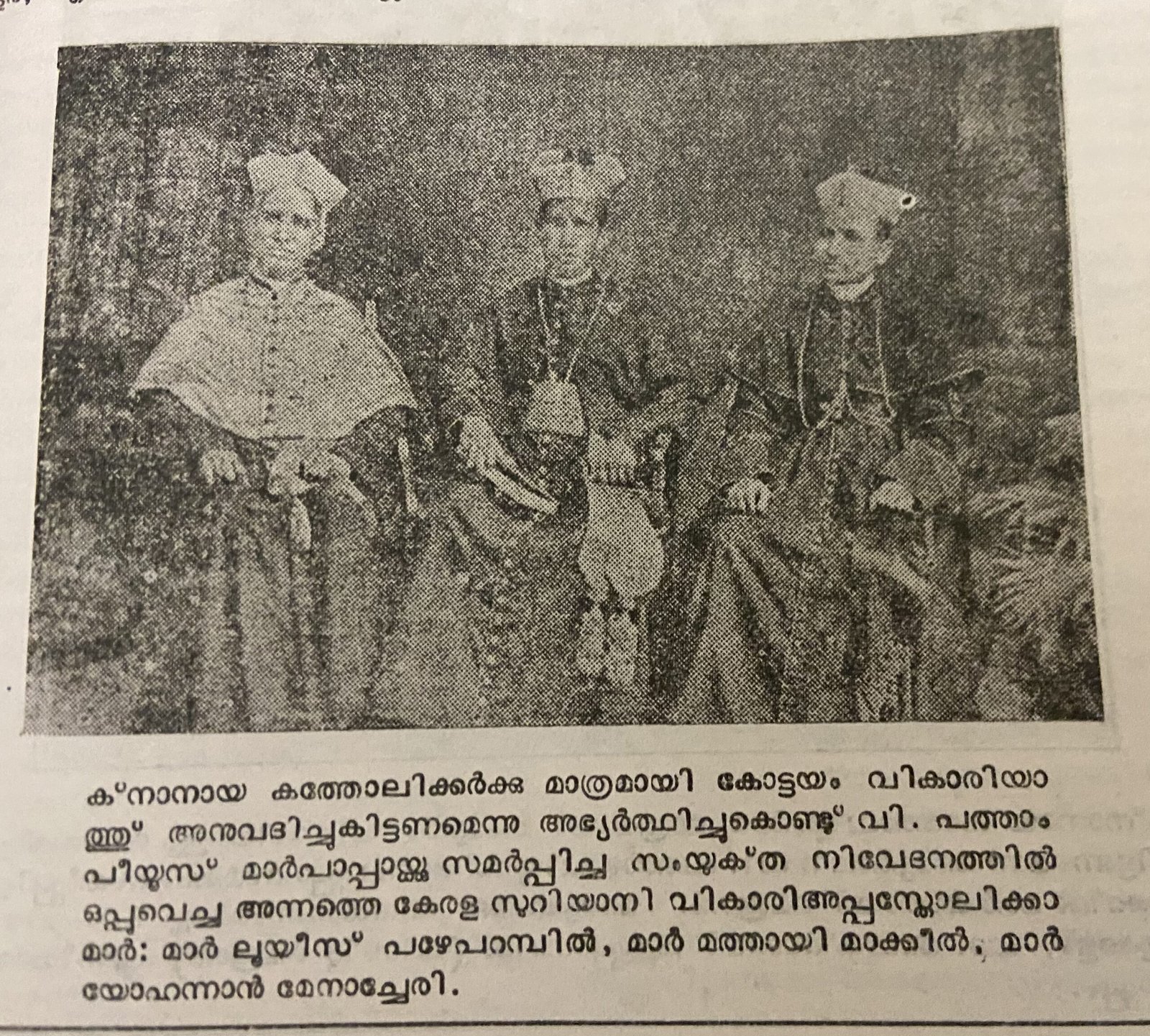
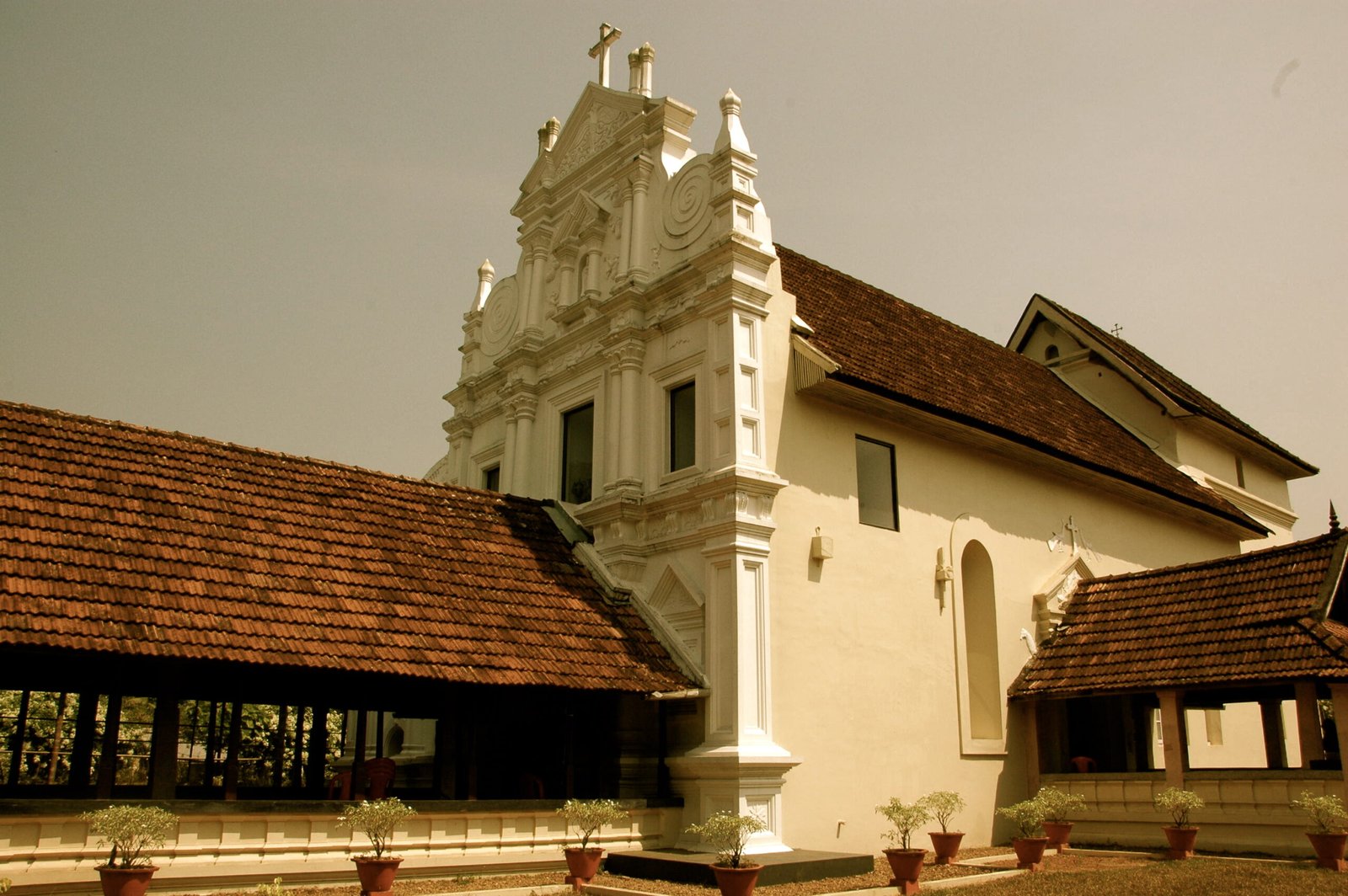
In the same context, ancient Knanaya centres such as Kaduthuruthy and Kottayam, together with their churches, crosses, wedding customs, the Vendan Mudi (Royal Crown), and the Bridegroom’s Cross, can be understood as visible and ritual expressions of community identity. The distinct Southist presence at centres such as Kaduthuruthy and Kottayam, recorded by Francisco Roz in the early seventeenth century, is also relevant to the study of this historical consciousness.
Knanaya community identity, therefore, cannot be reduced merely to a claim of descent from a particular ancestral group. It is a complex collective identity shaped by the interaction of historical memory, tradition, marriage customs, songs, worship, symbols, and social life, and transmitted across generations. From this perspective, traditions such as Barmariam can be regarded as important living cultural sources for understanding the historical and religious identity of the Knanaya community.