Letter of the Thekkumbhagar Priests to the Holy See (1887)
“We believe that it is not unknown to the Holy Father, from historical accounts, the reports of the Apostolic Vicars, and our various petitions, that we came to Kerala from Chaldea and Canaan in the fifth century; that, to this day, we have never had any kind of association with those known as the Vadakkumbhagar or with the new Christians; that we do not accept any of them as vicars in our churches; that we have no ties with any of them through blood relationship, marriage, or commercial dealings; and that, through marriage, we do not accept any woman from among them, but only women from our own community and from the Jacobite Christians belonging to our own caste.
Our opponents have always looked upon this very ancient and remarkable tradition of ours with jealous eyes. Having realized that all their efforts and attempts to break and abolish this tradition of ours were futile, they became extremely angry and compelled some of those who were in their service to marry among them. The conduct of our opponents has at times resulted in serious disputes and disturbances, as our Apostolic Vicar is also aware.”
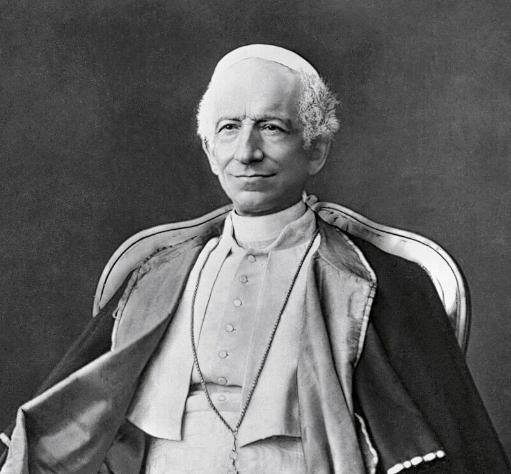
Letter sent by ten Thekkumbhagar priests to His Holiness Pope Leo XIII, dated 21 November 1887: Archives of the Congregation for the Oriental Churches, Scritto Referite nei Congressi Malabaresi (Writings Referred to in the Conferences Concerning Malabar), Vol. II, p. 1300.
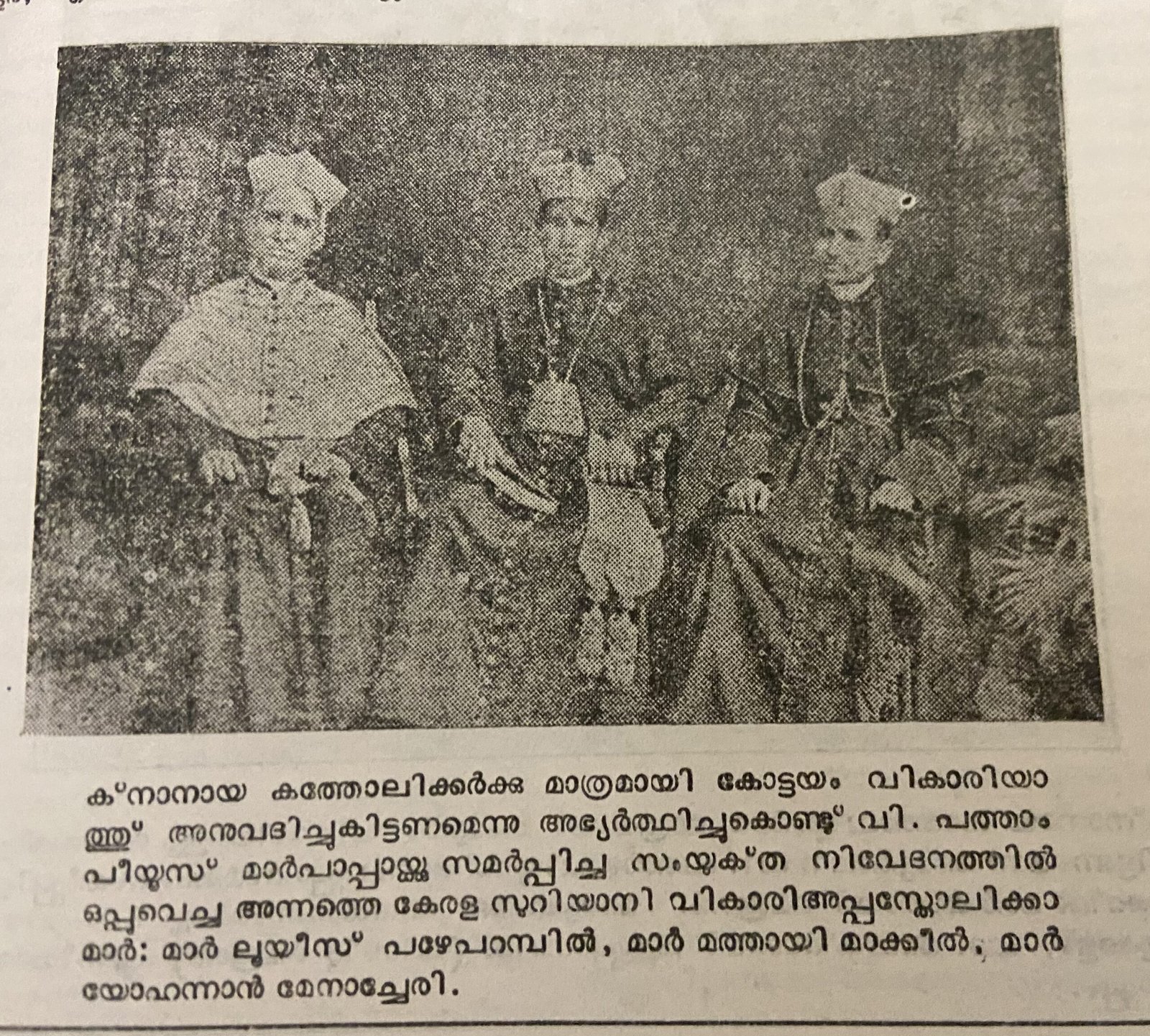
Thekkumbhagar Representatives (1887)
“The writers of the letter state that they belong to a very important and noble community or caste and that, being superior to the other Syrians, they do not enter into marriage relationships or social intercourse with them in any manner.”
Summary of the letter sent by the Thekkumbhagar representatives to the Apostolic Delegate, Monsignor Andrea Aiuti, dated 8 December 1887: Archives of the Congregation for the Oriental Churches, Acta Congregationis 20 (1889), 14, p. 287, Appendix V.