The ancient songs of the St. Thomas Christians were preserved for centuries through oral transmission. As awareness grew that these songs might eventually be lost, systematic efforts were undertaken to record, compile, and preserve them in written form. As part of this preservation process, the Southists (Knanaya) first transcribed the songs onto palm-leaf manuscripts and, in later centuries, published them in printed editions. These efforts transformed a rich oral tradition into a permanent historical and literary record.
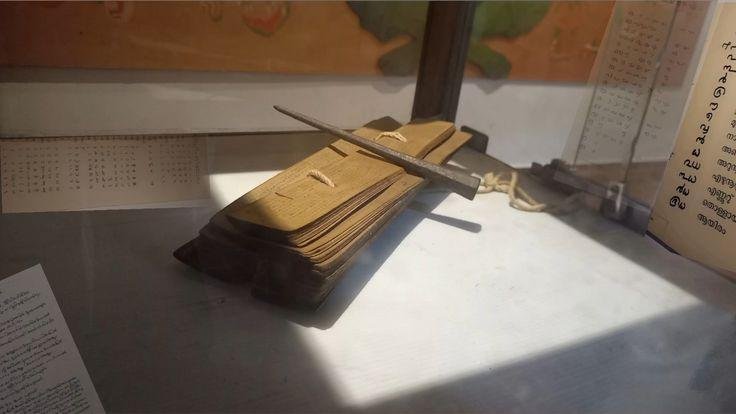
To date, four palm-leaf manuscripts containing the ancient songs of the Syrian Christians are known to exist. Three of these manuscripts were entrusted by Rev. Dr. Jacob Kollaparambil to Rev. Fr. Baiju Mugalel for M.Phil. and Ph.D. research. As part of this scholarly work, they have been deposited on loan at the Oriental Research Institute and Manuscripts Library, University of Kerala, Kariavattom Campus.
The first manuscript consists of 127 palm leaves, measuring 24.5 cm in length and 3.5 cm in width. The second contains 157 leaves, each measuring 30 cm × 4 cm, while the third comprises 142 leaves, measuring 25 cm × 4 cm. Together, these three manuscripts contain a total of 426 palm leaves. Each leaf averages seven lines of text, with approximately thirty-two characters per line. A fourth palm-leaf manuscript is preserved in the private collection of a Knanaya Jacobite family in the United States.
In the preface to the first printed edition of the Ancient Songs, P. U. Lucas records that Rev. Fr. Mathew Kathanar, B.D., of Vattakkal, Kumarakom, devoted many years to locating and collecting numerous ancient manuscripts from different parts of Kerala. Lucas further explains that the printed edition was prepared from the manuscript considered to contain the fewest scribal errors and believed to be at least two hundred years old. Significantly, one of the three manuscripts presently housed at the Kariavattom Oriental Research Institute is this very base manuscript used for the printed edition.
These facts indicate that the Southist community had begun collecting, transcribing, and preserving the ancient songs in palm-leaf manuscripts at least three centuries ago. The manuscripts therefore represent not only an important literary heritage but also invaluable historical documents that preserve the collective memory and cultural identity of the Knanaya community.
The study of these palm-leaf manuscripts provides important insights into the period of composition and transmission of the ancient songs, their linguistic characteristics, historical background, and cultural context. They also illuminate the development of the Malayalam language and offer valuable evidence concerning the religious beliefs, liturgical traditions, social customs, and collective memory of the Knanaya community. Consequently, these manuscripts constitute indispensable primary sources for the study of the history, literature, and cultural heritage of the St. Thomas Christians in general and the Knanaya community in particular.
പുരാതനപ്പാട്ടുകളുടെ തെക്കുംഭാഗ സമാഹരണചരിത്രം: താളിയോലഗ്രന്ഥങ്ങള്
തലമുറകളിലൂടെ വായ്മൊഴിയായി കൈമാറപ്പെട്ടിരുന്ന പുരാതനപ്പാട്ടുകള് കാലക്രമേണ വിസ്മൃതിയിലാകുമെന്ന ആശങ്ക ശക്തമായ സാഹചര്യത്തിലാണ് അവയെ എഴുതി സംരക്ഷിക്കാനും സമാഹരിക്കാനും പകര്ത്തെഴുതാനും ആരംഭിച്ചത്. ഈ സംരക്ഷണശ്രമങ്ങളുടെ ഭാഗമായി ആദ്യം താളിയോലകളിലും പിന്നീട് അച്ചടിച്ച ഗ്രന്ഥങ്ങളിലുമായി തെക്കുംഭാഗക്കാര് പുരാതനപ്പാട്ടുകളെ രേഖപ്പെടുത്തി. ഇതുവഴിയാണ് നൂറ്റാണ്ടുകളായി കൈമാറിവന്ന ക്നാനായരുടെ വാമൊഴി പാരമ്പര്യം രേഖാമൂലമുള്ള ചരിത്രസ്രോതസ്സായി മാറിയത്.
സുറിയാനി ക്രൈസ്തവരുടെ പുരാതനപ്പാട്ടുകളുമായി ബന്ധപ്പെട്ട് ഇന്നുവരെ തിരിച്ചറിഞ്ഞിട്ടുള്ളത് നാല് താളിയോലഗ്രന്ഥങ്ങളാണ്. അവയില് മൂന്ന് ഗ്രന്ഥങ്ങള് എം.ഫില്., പി.എച്ച്.ഡി. ഗവേഷണാവശ്യങ്ങള്ക്കായി ബഹു. ജേക്കബ് കൊല്ലാപറമ്പിലച്ചന് ബഹു. ബൈജു മുകളേലച്ചന്റെ സംരക്ഷണത്തിനായി ഏല്പ്പിച്ചതാണ്. ഗവേഷണത്തിന്റെ ഭാഗമായി ഇവ കേരള സര്വകലാശാലയുടെ കാര്യവട്ടം ക്യാമ്പസിലുള്ള ഓറിയന്റല് റിസര്ച്ച് ഇന്സ്റ്റിറ്റ്യൂട്ട് ആന്ഡ് മാനുസ്ക്രിപ്റ്റ്സ് ലൈബ്രറിയില് ലോണ് വ്യവസ്ഥയില് സൂക്ഷിച്ചിരിക്കുകയാണ്.
ഈ മൂന്ന് താളിയോലഗ്രന്ഥങ്ങളില് ഒന്നാമത്തേതില് 127 ഓലകളും 24.5 സെന്റീമീറ്റര് നീളവും 3.5 സെന്റീമീറ്റര് വീതിയുമുണ്ട്. രണ്ടാമത്തെ ഗ്രന്ഥത്തില് 157 ഓലകളും 30 സെന്റീമീറ്റര് നീളവും 4 സെന്റീമീറ്റര് വീതിയുമാണുള്ളത്. മൂന്നാമത്തേതില് 142 ഓലകളും 25 സെന്റീമീറ്റര് നീളവും 4 സെന്റീമീറ്റര് വീതിയുമുണ്ട്. ആകെ 426 താളിയോലകളാണ് ഈ മൂന്ന് ഗ്രന്ഥങ്ങളിലായി ഉള്പ്പെട്ടിരിക്കുന്നത്. ഓരോ ഓലയിലും ശരാശരി ഏഴ് വരികളും ഓരോ വരിയിലും ഏകദേശം 32 അക്ഷരങ്ങളും രേഖപ്പെടുത്തിയിരിക്കുന്നു. നാലാമത്തെ താളിയോലഗ്രന്ഥം അമേരിക്കയില് താമസിക്കുന്ന ഒരു ക്നാനായ യാക്കോബായ കുടുംബത്തിന്റെ സ്വകാര്യ ശേഖരത്തിലാണുള്ളത്.
പുരാതനപ്പാട്ടുകളുടെ ആദ്യ അച്ചടിപ്പതിപ്പിന്റെ മുഖവുരയില്, കുമരകത്തെ വട്ടക്കളത്തില് ബഹു. മത്തായിക്കത്തനാര് ബി.ഡി. ദീര്ഘകാലം നടത്തിയ പരിശ്രമഫലമായി കേരളത്തിന്റെ വിവിധ ഭാഗങ്ങളില് നിന്ന് നിരവധി പുരാതന താളിയോലഗ്രന്ഥങ്ങള് ശേഖരിക്കാന് കഴിഞ്ഞതായി പി. യു. ലൂക്കോസ് രേഖപ്പെടുത്തുന്നു. അവയില് പിഴവുകള് ഏറ്റവും കുറവുള്ളതും ഏകദേശം ഇരുന്നൂറിലധികം വര്ഷം പഴക്കമുണ്ടെന്ന് കണക്കാക്കപ്പെട്ടതുമായ ഒരു താളിയോലഗ്രന്ഥത്തെ അടിസ്ഥാനമാക്കിയാണ് പ്രസ്തുത അച്ചടിപ്പതിപ്പ് തയ്യാറാക്കിയതെന്നും അദ്ദേഹം വ്യക്തമാക്കുന്നു. കാര്യവട്ടത്തുള്ള മൂന്ന് താളിയോലഗ്രന്ഥങ്ങളില് ഒന്നാണ് ഈ അടിസ്ഥാനഗ്രന്ഥമെന്നത് ശ്രദ്ധേയമാണ്.
ഈ വിവരങ്ങള് വ്യക്തമാക്കുന്നത്, കുറഞ്ഞത് മുന്നൂറ് വര്ഷങ്ങള്ക്കുമുമ്പ് മുതല് തെക്കുംഭാഗക്കാര് പുരാതനപ്പാട്ടുകള് ശേഖരിക്കുകയും അവ താളിയോലകളില് പകര്ത്തി ഗ്രന്ഥരൂപത്തില് സംരക്ഷിക്കുകയും ചെയ്തിരുന്നുവെന്നാണ്. അതിനാല് ഈ താളിയോലഗ്രന്ഥങ്ങള് കേവലം സാഹിത്യരേഖകള് മാത്രമല്ല; ക്നാനായരുടെ ചരിത്രം, സാമൂഹികജീവിതം, മതപാരമ്പര്യം, ഭാഷാവികാസം, സാംസ്കാരികസ്വത്വം എന്നിവയെ പ്രകാശിപ്പിക്കുന്ന അമൂല്യമായ ചരിത്രരേഖകളുമാണ്.
താളിയോലകളില് രേഖപ്പെടുത്തിയിരിക്കുന്ന പുരാതനപ്പാട്ടുകളുടെ പഠനം, അവയുടെ രചനാകാലം, പകര്ത്തെഴുത്തിന്റെ ചരിത്രം, ഭാഷാപരമായ സവിശേഷതകള്, ചരിത്രപരമായ പശ്ചാത്തലം, സാംസ്കാരിക ഭൂമിക, മലയാളഭാഷയുടെ വികാസത്തില് അവ വഹിച്ച പങ്ക് എന്നിവയെക്കുറിച്ചുള്ള സുപ്രധാന അറിവുകള് നല്കുന്നു. അതോടൊപ്പം, ക്നാനായ സമൂഹത്തിന്റെ മതവിശ്വാസങ്ങള്, ആരാധനക്രമങ്ങള്, സാമൂഹിക ആചാരങ്ങള്, കൂട്ടായ സ്മൃതികള് എന്നിവയെ മനസ്സിലാക്കുന്നതിനും ഈ താളിയോലഗ്രന്ഥങ്ങള് അത്യന്തം വിലപ്പെട്ട പ്രാഥമിക സ്രോതസ്സുകളാണ്.