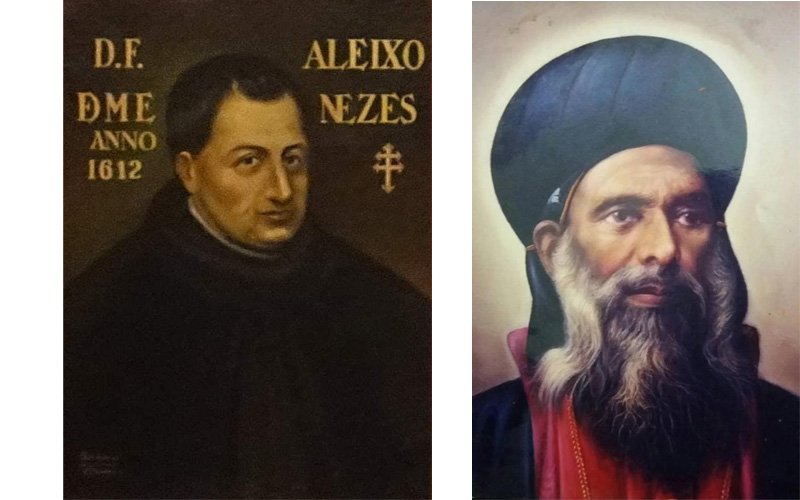
The relationship between Archbishop Dom Aleixo de Menezes and Archdeacon Geevarghese represents one of the most pivotal chapters in the history of the Saint Thomas Christians of Malabar.
Following the death of Mar Abraham, the Metropolitan of the Malabar Church, in 1597, the leadership of the Church passed into the hands of Archdeacon Geevarghese. He enjoyed the confidence and support of both the clergy and the faithful. In keeping with the long-established tradition of the Malabar Church, he expected that a new Metropolitan would be sent by the Patriarch of the Church of the East.
Archbishop Menezes of Goa, however, took advantage of the situation to bring the Malabar Church completely under the jurisdiction of the Portuguese Latin Church. He sought to place the Archdeacon under his authority and secure the Church’s submission to Rome.
At first, Archdeacon Geevarghese firmly resisted Menezes’ attempts. However, the overwhelming political pressure exerted by the Portuguese, their military strength, and the support they received from local rulers eventually forced him to make certain concessions.
In 1599, Archbishop Menezes convened the Synod of Diamper (Udayamperoor), in which Archdeacon Geevarghese also participated. The Synod brought about far-reaching changes in the Malabar Church:
- The Church’s official ties with the Church of the East were severed.
- Numerous Syriac manuscripts were condemned, and many were destroyed.
- Latin liturgical practices and ecclesiastical regulations were introduced into the Malabar Church.
- The Malabar Church was placed under the jurisdiction of the Archdiocese of Goa.
It would be inaccurate to conclude that Archdeacon Geevarghese fully agreed with these reforms. Rather, the circumstances of the time left him with little opportunity for open resistance. The dissatisfaction that followed these changes continued to grow and eventually culminated in the Coonan Cross Oath of 1653, led by his successor, Archdeacon Thomas.
Consequently, most Church historians view the relationship between Archbishop Menezes and Archdeacon Geevarghese not as one of genuine cooperation, but as one shaped by intense political and ecclesiastical pressure, resulting in reluctant compromise. These developments ultimately became one of the principal factors that led to the later divisions among the Churches tracing their heritage to St. Thomas the Apostle in India.
ആര്ച്ച്ബിഷപ്പ് മെനേസിസും (Dom Aleixo de Menezes) അര്ക്കദ്യാക്കോന് ഗീവര്ഗീസും
ആര്ച്ച്ബിഷപ്പ് മെനേസിസും (Dom Aleixo de Menezes) അര്ക്കദ്യാക്കോന് ഗീവര്ഗീസും (Archdeacon Geevarghese) തമ്മിലുള്ള ബന്ധം മലങ്കരയിലെ സുറിയാനി ക്രൈസ്തവരുടെ ചരിത്രത്തിലെ ഏറ്റവും നിര്ണായകമായ അധ്യായങ്ങളിലൊന്നാണ്.
1597-ല് മാര് അബ്രാഹം മെത്രാപ്പോലീത്ത അന്തരിച്ചതോടെ മലബാര് സഭയുടെ നേതൃത്വം അര്ക്കദ്യാക്കോന് ഗീവര്ഗീസിന്റെ കൈകളിലായി. വിശ്വാസികളുടെയും വൈദികരുടെയും പിന്തുണ അദ്ദേഹത്തിനുണ്ടായിരുന്നു. സഭയുടെ പാരമ്പര്യമനുസരിച്ച് കിഴക്കന് സുറിയാനി പാത്രിയാര്ക്കീസില്നിന്ന് പുതിയ മെത്രാപ്പോലീത്തയെ ലഭിക്കുമെന്നായിരുന്നു അദ്ദേഹത്തിന്റെ പ്രതീക്ഷ.
എന്നാല് ഗോവ ആര്ച്ച്ബിഷപ്പായിരുന്ന മെനേസിസ് ഈ സാഹചര്യം പ്രയോജനപ്പെടുത്തി മലബാര് സഭയെ പൂര്ണമായും പോര്ച്ചുഗീസ് ലത്തീന് സഭയുടെ കീഴിലാക്കാന് ശ്രമിച്ചു. അദ്ദേഹം അര്ക്കദ്യാക്കോനെ തന്റെ അധികാരത്തിന് കീഴ്പ്പെടുത്താനും റോമിനോടുള്ള അനുസരണം പ്രഖ്യാപിപ്പിക്കാനും ശ്രമിച്ചു.
ആദ്യഘട്ടത്തില് അര്ക്കദ്യാക്കോന് ഗീവര്ഗീസ് മെനേസിസിന്റെ സമ്മര്ദ്ദത്തെ ശക്തമായി എതിര്ത്തു. എന്നാല് രാഷ്ട്രീയ സമ്മര്ദ്ദം, പോര്ച്ചുഗീസ് സൈനികശക്തി, പ്രാദേശിക ഭരണാധികാരികളുടെ പിന്തുണ എന്നിവ മൂലം അദ്ദേഹത്തിന് ഒടുവില് ചില വിട്ടുവീഴ്ചകള് ചെയ്യേണ്ടിവന്നു.
1599-ല് മെനേസിസ് ഉദയംപേരൂരില് (ഡയമ്പര്) സഭാസമ്മേളനം (Synod of Diamper) വിളിച്ചുചേര്ത്തു. അര്ക്കദ്യാക്കോന് ഗീവര്ഗീസും അതില് പങ്കെടുത്തു. ഈ സഭാസമ്മേളനത്തിലൂടെ:
കിഴക്കന് സുറിയാനി സഭയുമായിരുന്ന ഔദ്യോഗിക ബന്ധം വിച്ഛേദിക്കപ്പെട്ടു.
നിരവധി സുറിയാനി ഗ്രന്ഥങ്ങള് അപലപിക്കപ്പെടുകയും ചിലത് നശിപ്പിക്കപ്പെടുകയും ചെയ്തു.
ലത്തീന് ആചാരങ്ങളും നിയമങ്ങളും മലബാര് സഭയില് നടപ്പിലാക്കി.
മലബാര് സഭയെ ഗോവ അതിരൂപതയുടെ അധികാരത്തിന് കീഴിലാക്കി.
അര്ക്കദ്യാക്കോന് ഗീവര്ഗീസ് ഈ മാറ്റങ്ങളോട് പൂര്ണമായും യോജിച്ചിരുന്നുവെന്ന് പറയാനാവില്ല. എന്നാല് അന്നത്തെ സാഹചര്യത്തില് അദ്ദേഹത്തിന് തുറന്ന കലാപത്തിന് അവസരമുണ്ടായിരുന്നില്ല. പിന്നീട് അദ്ദേഹത്തിന്റെ പിന്ഗാമിയായ അര്ക്കദ്യാക്കോന് തോമസിന്റെ നേതൃത്വത്തില് ഈ അസംതൃപ്തി വളര്ന്ന് 1653-ലെ കൂനന്കുരിശ് സത്യം എന്ന ചരിത്രസംഭവത്തിലേക്ക് നയിച്ചു.
അതുകൊണ്ട്, മെനേസിസും അര്ക്കദ്യാക്കോന് ഗീവര്ഗീസും തമ്മിലുള്ള ബന്ധം സഹകരണമെന്നതിലുപരി രാഷ്ട്രീയ-സഭാപരമായ സമ്മര്ദ്ദത്തിന്റെയും നിര്ബന്ധിത വിട്ടുവീഴ്ചകളുടെയും ബന്ധമായിരുന്നു എന്നാണ് ഭൂരിഭാഗം സഭാചരിത്രകാരന്മാരും വിലയിരുത്തുന്നത്. ഇത് പിന്നീട് മലങ്കരയിലെ വിശുദ്ധ തോമാശ്ലീഹായുടെ പാരമ്പര്യമുള്ള സഭകളുടെ വിഭജനത്തിന് വഴിതെളിച്ച പ്രധാന ഘടകങ്ങളിലൊന്നായി മാറി.