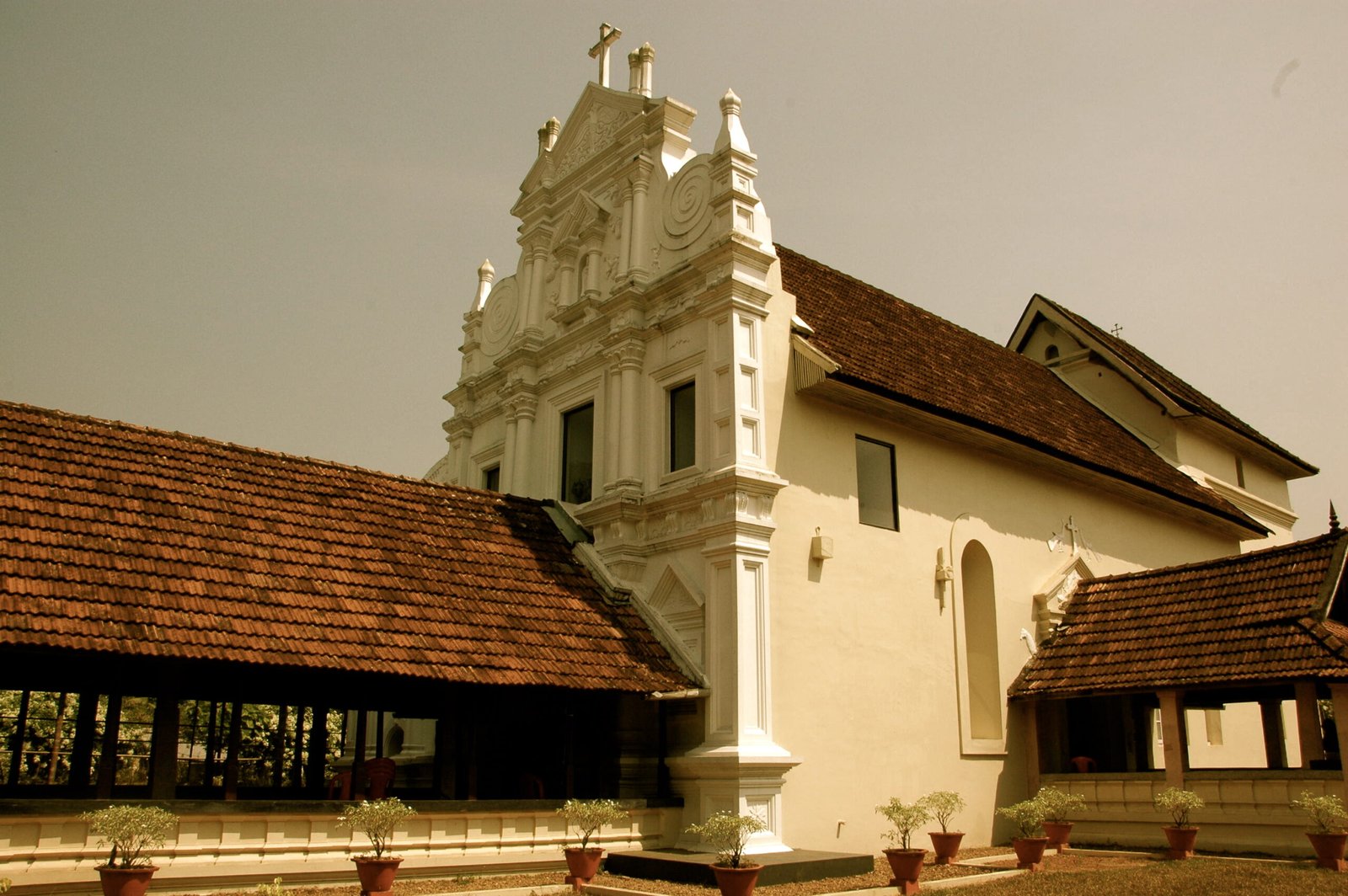
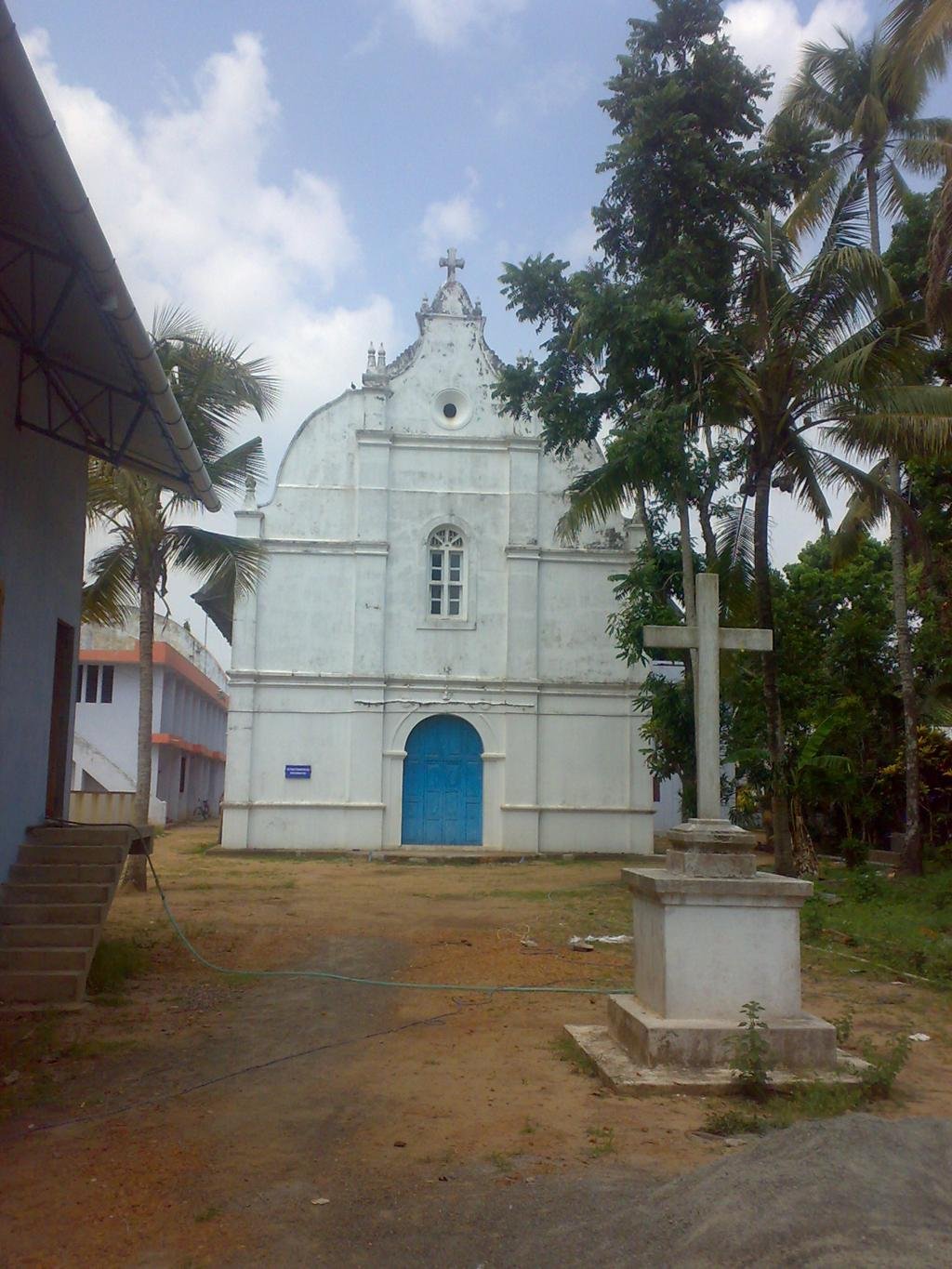
The Synod of Diamper was convened on 21 June 1599 at the church in Udayamperoor (Diamper), which at the time was a prominent church of the Knanaya community. The Synod opened with Archbishop Dom Aleixo de Menezes making a profession of faith while placing his hand upon the Book of the Gospels. He was followed by Archdeacon Geevarghese, the clergy, and the assembled faithful.
The first session of the Synod dealt with matters concerning doctrine, discipline, and faith. Discussions also covered the sacraments, including Baptism, Confirmation, and the Holy Eucharist. An attempt was made to replace certain East Syriac (Chaldean) prayers with Latin prayers, but this proposal met with opposition from the local clergy.
The doctrinal decrees addressed subjects such as the Divine Motherhood of the Blessed Virgin Mary, Original Sin, Guardian Angels, and other theological matters. The Synod also sought to eliminate certain practices that were regarded as superstitious, irregular, or the result of local cultural adaptations among the Saint Thomas Christians.
Administrative reforms were introduced, including the establishment of parish boundaries and the maintenance of parish registers. Certain feast days were suppressed, and the names of some Syriac Fathers who had been accused of heresy were removed from liturgical commemorations. Syriac liturgical books were ordered to be revised under the supervision of Fr. Francisco Ros, S.J., while many other Syriac manuscripts and books were confiscated and burned.
The Synod was attended by 153 priests and 660 lay representatives and produced 25 decrees. Copies of these decrees were ordered to be kept in every parish. Priests were supplied with altar stones, holy oils, editions of the sacramental rites, surplices, chalices, altar linens, and other liturgical vestments.
Following the Synod, Archbishop Menezes continued his visitation of the churches of Malabar, administering the sacraments of Baptism and Confirmation and implementing the Synod’s decrees. He also oversaw the destruction of additional Syriac books. His principal objective was to reorganize the Malabar Church according to the liturgical and ecclesiastical norms of the Portuguese Latin Church.
According to accounts recorded by the Jesuit missionaries Francisco Ros and Antonio de Campor, the Saint Thomas Christians were not adequately consulted during the proceedings of the Synod. Many participants had only a limited understanding of the decisions being made, and, in several instances, only portions of the decrees were publicly read. These accounts also suggest that many clergy signed the decrees under considerable pressure and that Archbishop Menezes introduced additional provisions after the Synod.
A number of historians have further argued that Menezes, acting as Apostolic Administrator rather than the lawful Metropolitan of the Malabar Church, lacked the canonical authority to convene such a synod. They also maintain that he relied heavily on Portuguese political and military power to enforce its implementation. Other historians, however, have offered different interpretations, making the Synod of Diamper one of the most debated events in the history of the Saint Thomas Christians.
ഉദയംപേരൂര് സൂനഹദോസ് 1599
1599 ജൂണ് 21 നാണ് സൂനഹദോസ് ക്നാനായക്കാരുടെ ദൈവാലയമായിരുന്ന ഉദയംപേരൂര് പള്ളിയില്വച്ച് കൂടിയത്. മെത്രാപ്പോലീത്ത തന്നെ സുവിശേഷഗ്രന്ഥത്തില് കൈവച്ച് വിശ്വാസപ്രഖ്യാപനം നടത്തി. തുടര്ന്ന് അര്ക്കദ്യാക്കോനും വൈദികരും ജനങ്ങളും. പ്രബോധനം, ശിക്ഷണം, വിശ്വാസം എന്നിങ്ങനെയുള്ള വിഷയങ്ങളിലായിരുന്നു ആദ്യ സെക്ഷന്. മാമ്മോദീസ, സ്ഥൈര്യലേപനം, വി. കുര്ബാന തുടങ്ങിയ കൂദാശകളെക്കുറിച്ചും ചര്ച്ച. കല്ദായ നമസ്കാരത്തിന് പകരമായി ലത്തീന് നമസ്കാരം കൊണ്ടുവരാന് ശ്രമിച്ചു. പക്ഷേ വൈദികര് എതിര്ത്തു. വിശ്വാസത്തെക്കുറിച്ചുള്ള സെക്ഷനില് മാതാവിന്റെ ദൈവമാതൃത്വം, ഉത്ഭവപാപം, കാവല്മാലാഖ, സ‘ തുടങ്ങിയ വിഷയങ്ങള് കടന്നു വന്നു. സുറിയാനിക്കാരുടെ ഇടയിലുണ്ടായിരുന്ന ചില അനാചാരങ്ങളും, സാംസ്കാരികാനുരൂപണങ്ങളും നീക്കിക്കളഞ്ഞു. ഇടവകകളുടെ അതിര്ത്തി നിശ്ചയിച്ചു, രജിസ്റ്റര് സൂക്ഷിക്കാന് ക്രമം കൊണ്ടുവന്നു. ചില ആരാധനക്രമ ആഘോഷദിവസങ്ങള് നീക്കി. സംശയാസ്പദ (പാഷണ്ടത ആരോപിക്കപ്പെട്ട) സുറിയാനി പിതാക്കന്മാരുടെ പേരുകള് നീക്കംചെയ്തു. ആരാധനക്രമ പുസ്തകങ്ങളും സുറിയാനി പുസ്തകങ്ങളും റോസിന്റെ കീഴില് തിരുത്തലിന് വിധേയമായി. മറ്റുള്ളവയെല്ലാം കത്തിക്കപ്പെട്ടു.
153 പുരോഹിതരും 660 അല്മായരും പങ്കെടുത്ത ഈ സൂനഹദോസില് 25 ഡിക്രികളുണ്ടായിരുന്നു. ഇവയുടെ ഓരോ പ്രതി എല്ലാ പള്ളികളിലും വേണമെന്ന നിര്കര്ഷിച്ചു. അള്ത്താരക്കല്ല് (ദപ്പക്കല്ല്) എല്ലാ പുരോഹിതര്ക്കും. വി.തൈലം, കൂദാശക്രമത്തിന്റെ പതിപ്പ്, സൂര്പ്ലസ്, കാസകള്, അള്ത്താരക്കുള്ള വസ്ത്രങ്ങള്, തിരുവസ്ത്രങ്ങള് എന്നിവ നല്കി. മെനേസിസ് തന്റെ സന്ദര്ശനം തുടര്ന്നു നടത്തി. സ്ഥൈര്യലേപനവും മാമ്മോദിസയും നടത്തി, സുറിയാനി പുസ്തകങ്ങള് കത്തിച്ചു. മലയാളക്കരയിലെ രീതികളെല്ലാം പോര്ച്ചുഗീസ് റോമന് ക്രമത്തിലാക്കുകയെന്ന നയം മാത്രമായിരുന്നു മെനേസിസിനുണ്ടായിരുന്നത്.
റോസ്, കംപോറി എന്നീ മിഷനറിമാര് രേഖപ്പെടുത്തിയിരിക്കുന്നതനുസരിച്ച്, സൂനഹദോസില് മാര് തോമക്രിസ്ത്യാനികളുമായി വേണ്ടവിധം സംവേദിച്ചില്ല. സിനഡില് നടക്കുന്നവയെക്കുറിച്ച് അവര്ക്കു വേണ്ടവിധം മനസിലായില്ല, മാത്രമല്ല, ഇത് ശരിയായ വിധമുള്ള സിനഡല്ലായിരുന്നു. ചില കല്പനകളുടെ വായനകള് മാത്രമേ ഉണ്ടായിരുന്നുള്ളൂ, റോസിന്റെ നിര്ബന്ധംമൂലമാണ് പലരും ഒപ്പിട്ടിരുന്നത്, മെനേസിസ് തുടര്ന്നും പലതും കൂട്ടിച്ചേര്ത്തു. ഈ സിനഡ് നടത്താന് മെനേസിസിന് അധികാരമില്ലായിരുന്നുവെന്നതാണ് വസ്തുത. അദ്ദേഹം ഒരു അഡ്മിനിസ്ട്രേറ്റര് (sede vacante) ആയിരുന്നു. തന്റെ ഇംഗീതം നടപ്പാക്കാന് അദ്ദേഹം പോര്ച്ചുഗീസ് സൈനികശക്തി ഉപയോഗിച്ചു.