“He who abandons music, literature, and the fine arts is nothing but a beast, lacking only a tail and horns.” This celebrated observation of Bhartrhari, quoted by Dr. J. Unnikrishnapillai in his essay Art and Aesthetics, emphasizes the central place of the arts in the life of a cultured people. It also suggests that a rich artistic tradition is one of the foremost indicators of a community’s cultural maturity.
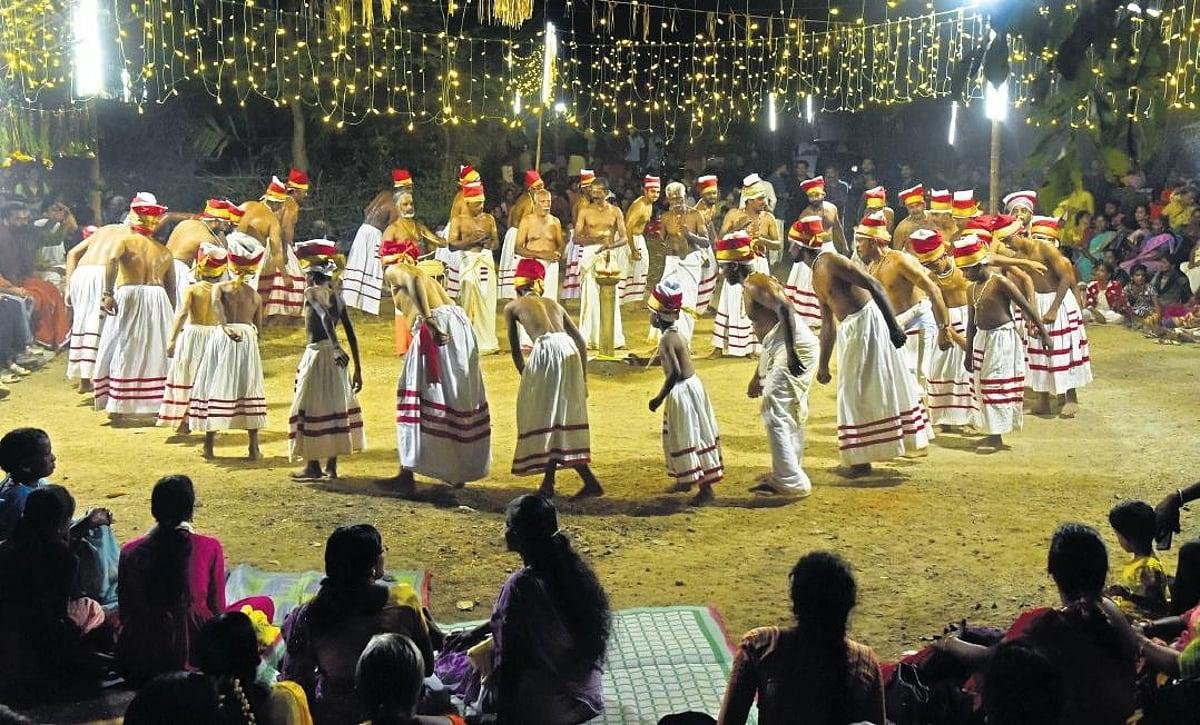
The Knanaya community, also known as the Thekkumbhagar (Southists) or the Southist Syriac Christian community, possesses an exceptionally rich cultural heritage expressed through its oral traditions, customs, ceremonies, folk songs, and performing arts. These traditions have been preserved and nurtured with remarkable dedication over the centuries. Their uniqueness and beauty have increasingly attracted the admiration of people from other communities, many of whom now imitate these customs and present them through various visual and digital media. This growing trend has raised important questions regarding the position that the Archdiocese of Kottayam and Knanaya organizations should adopt in safeguarding and responding to the appropriation of the community’s cultural heritage.
The history of world civilizations demonstrates that every culture undergoes continuous change. One of the principal causes of such change is cultural exchange—the mutual borrowing and adaptation of ideas and practices between different societies. Communities naturally adopt elements from other cultures that they consider meaningful and gradually make them their own. The Knanaya community is no exception to this universal pattern. During nearly sixteen centuries in Kerala, and earlier in Persia, the Knanaya people were influenced by numerous cultural traditions. They adopted practices from Jewish, Christian, Hindu, Persian, Indian, and later Western cultures whenever they considered them beneficial, while gradually discarding those that became irrelevant with the passage of time.
Many Knanaya customs reveal traces of these diverse cultural influences. Practices associated with the thali (marriage pendant), wedding ring, bridal mantle, ceremonial lamps, wedding cake, and henna all reflect historical interactions with other civilizations. As a community whose culture itself developed through centuries of cultural exchange, the Knanaya people do not object to other communities appreciating or adopting their traditions. However, they maintain that the original custodians of these traditions deserve proper recognition. When Knanaya customs, ceremonies, and folk songs are presented without acknowledging their historical origin, many members of the community view it as a form of cultural appropriation.
Among the various elements of Knanaya heritage, ancient folk songs occupy a unique place. They are not merely songs but repositories of the community’s collective memory. Much of what is known about the Knanaya migration, their journey to India, and the reception they received has been preserved through these oral compositions. They also provide valuable insights into Knanaya customs and their underlying traditions.
For example, the traditional song “Innu Nee Njangale Kaivitto Maarane” contains verses that are interpreted within the community as emphasizing the importance of preserving kinship ties and the traditional practice of endogamy. Likewise, nearly every major Knanaya ceremony is accompanied by its own distinctive folk song, including the Mailanchi Paattu (Henna Song), Enna Paattu (Oil Anointing Song), Kulippaattu (Bathing Song), Adachuthurappattu (Door-Opening Song), Antham Charthu Paattu, and songs associated with traditional performing arts such as Margam Kali and Vattakkali.
These ancient songs are therefore much more than artistic expressions. They constitute a living archive of the history, faith, customs, and identity of the Thekkumbhagar. Preserved through generations by oral tradition, they remain one of the most valuable components of the cultural heritage of the Knanaya community and deserve careful documentation, preservation, and scholarly recognition.
തെക്കുംഭാഗരും പുരാതനപ്പാട്ടുകളും
”സംഗീതം, സാഹിത്യം ആദിയായ കലകളെ ഉപേക്ഷിച്ചവന്, കൂടാതെയുള്ളവന് സാക്ഷാല് മൃഗമാണ്: വാലും കൊമ്പുമില്ലെന്നേയുള്ളൂ എന്നാണ് ഭര്തൃഹരിയുടെ മതം.” ഡോ. ജെ. ഉണ്ണിക്കൃഷ്ണപ്പിള്ള ‘കലയും കലാദര്ശനവും’ എന്ന ലേഖനത്തില് രേഖപ്പെടുത്തുന്ന ഈ വാക്യം സംസ്കാരസമ്പന്നരായ ജനതയില് കലാജീവിതത്തിനുള്ള സ്ഥാനം വ്യക്തമാക്കുന്നു. ഉന്നതമായ കലാപാരമ്പര്യം സാംസ്കാരിക വളര്ച്ചയുടെ അളവുകോലായി പരിഗണിക്കാമെന്നും ഇത് ധ്വനിപ്പിക്കുന്നുണ്ട്. വാചികപാരമ്പര്യങ്ങള്, ആചാരങ്ങള്, ചടങ്ങുകള്, പാട്ടുകള്, രംഗകലകള്, തുടങ്ങിയവയാല് സമ്പന്നമായ ക്നാനായസമുദായം അഥവാ തെക്കുംഭാഗ സുറിയാനി ക്രിസ്ത്യാനിസമുദായം ഈയര്ത്ഥത്തില് ഉയര്ന്ന സാംസ്കാരികനിലവാരം പുലര്ത്തുന്നു. ഈ സമുദായം കാലാകാലങ്ങളായി ജന്മവും ജീവനും നല്കി, മജ്ജയും മാംസവും നല്കി പാലിക്കുന്ന ചടങ്ങുകളും പാട്ടുകളും രംഗകലകളുമൊക്കെ ഇതരസമുദായക്കാരിലും മോഹം ജനിപ്പിക്കുന്നുണ്ട്. അതിന്റെ ഭാഗമായി ഇവയൊക്കെ അവര് അനുകരിക്കുന്നതും ദൃശ്യമാധ്യമങ്ങളില് അവതരിപ്പിക്കുന്നതുമായ പ്രവണത ഇന്ന് ഏറിവരുകയാണ്. ഈ പ്രവണതയോടു ക്നാനായസമുദായത്തിനുവേണ്ടിയുള്ള കോട്ടയം അതിരൂപതയും സാമുദായിക സംഘടനകളും എന്ത് നിലപാട് സ്വീകരിക്കണം, എങ്ങനെ പ്രതികരിക്കണം തുടങ്ങിയ വിഷയങ്ങള് സജീവമായി നില്ക്കുന്നു. ഈ ലേഖനത്തിന്റെ പ്രസിദ്ധീകരണ പശ്ചാത്തലം ഇതാണ്.
എല്ലാ സംസ്കാരങ്ങളും നൈരന്തര്യത്തോടെ മാറ്റങ്ങള്ക്ക് വിധേയമാകുന്നു എന്നത് ലോകസംസ്കാരചരിത്രത്തില്നിന്ന് നാം മനസ്സിലാക്കുന്നു. ഇത്തരം മാറ്റങ്ങളുടെ പ്രധാന കാരണം സംസ്കാരങ്ങള് തമ്മിലുള്ള ആദാന-പ്രദാനങ്ങള് (give and take) ആണ്. തങ്ങള്ക്ക് സ്വീകാര്യമായതിനെ ഇതര സംസ്കാരങ്ങളില്നിന്ന് സ്വീകരിച്ച് തങ്ങളുടേതാക്കി മാറ്റുന്ന ശൈലി പൊതുവെ കാണപ്പെടുന്നു. ക്നാനായസമുദായവും ഈ പൊതുശൈലിക്ക് അതീതമല്ല. ഇക്കഴിഞ്ഞ പതിനാറര നൂറ്റാണ്ടുകളില് കേരളത്തിലും അതിനുമുമ്പു പേര്ഷ്യയിലും അനവധി സാംസ്കാരിക അനുരൂപണങ്ങള്ക്ക് വിധേയപ്പെട്ടവരാണ് ക്നാനായക്കാര്. അവര് യഹൂദ, ക്രൈസ്തവ, ഹൈന്ദവമതങ്ങളിലെയും പേര്ഷ്യന്, ഭാരത, പാശ്ചാത്യസംസ്കാരങ്ങളിലെയും അനുകരണാര്ഹമായവയെന്ന് തങ്ങള് വിശ്വസിച്ചവയെ സ്വായത്തമാക്കിയിട്ടുണ്ട്, കാലപ്രയാണത്തില് അപ്രസക്തമെന്ന് ബോധ്യമായവയെ ഒഴിവാക്കിയിട്ടുമുണ്ട്. പല ക്നാനായചടങ്ങുകള്ക്കും യഹൂദ, ക്രൈസ്തവ, ഹൈന്ദവ, പേര്ഷ്യന്, ഭാരത, പാശ്ചാത്യ വാര്പ്പുരൂപങ്ങള് (ാീൗഹറ)െ കണ്ടെത്താനാകും. താലി, മോതിരം, പുടവ, വിളക്കുകള്, കേക്ക്, മൈലാഞ്ചി തുടങ്ങിയവയിലെല്ലാം ഈ വാര്പ്പുരൂപങ്ങള് നാം കാണുന്നു. കൊള്ളല്-കൊടുക്കലുകളുടെ ആകെത്തുകതന്നെയായ ക്നാനായസംസ്കാരത്തിന് തങ്ങളുടെ പാരമ്പര്യങ്ങളും ചടങ്ങുകളും ഇതര സമുദായങ്ങള് അനുകരിക്കുന്നത് തെറ്റായി കാണാനോ ആക്ഷേപം പറയുന്നതിനോ, ആകയാല്, സാധ്യമല്ല. പക്ഷേ, ഇതര സംസ്കാരങ്ങളില്നിന്ന് ആദാനം ചെയ്തവയുടെ പേരില് അവയെ പ്രദാനം ചെയ്ത സംസ്കാരങ്ങളെയും ജനതകളെയും ക്നാനായസമുദായം അംഗീകരിച്ച് ഏറ്റുപറയുകയും ആ സംസ്കാരങ്ങളോടുള്ള കടപ്പാട് വ്യക്തമാക്കുകയും ചെയ്യുന്നുണ്ട്. എന്നാല്, പ്ലേജറിസം വലിയ തെറ്റായി കരുതുന്ന ആധുനികയുഗത്തില്ത്തന്നെ ക്നാനായപാരമ്പര്യങ്ങളും ചടങ്ങുകളും അനുകരിക്കുന്നവര് ഇപ്രകാരം ചെയ്യുന്നില്ല എന്നത് ക്നാനായസമുദായത്തെ ആകമാനം ദുഃഖിപ്പിക്കുന്നു, ചില സമുദാംയാംഗങ്ങളിലെങ്കിലും അമര്ഷം ജനിപ്പിക്കുന്നു. ആയതിനാല് ക്നാനായപാരമ്പര്യങ്ങളും ചടങ്ങുകളും പാട്ടുകളും തങ്ങളുടേത് എന്ന നാട്യത്തില് അവതരിപ്പിക്കുന്നവരുടെ ശ്രദ്ധയ്ക്ക് ചില വസ്തുതകള് ഒരു പരമ്പരയായി പ്രസിദ്ധീകരിക്കുന്നു.
പാരമ്പര്യങ്ങള്, ആചാരങ്ങള്, ചടങ്ങുകള്, രംഗകലകള്, പുരാതനപ്പാട്ടുകള് തുടങ്ങിയവ വ്യത്യസ്തങ്ങളെങ്കിലും പരസ്പരം ബന്ധിതങ്ങളും പൂരകങ്ങളുമാണ്. അവയില്തന്നെ പുരാതനപ്പാട്ടുകള്ക്ക് സവിശേഷമായ ഒരു സ്ഥാനമുണ്ട്. പല വാചികപാരമ്പര്യങ്ങളും നമ്മിലേക്ക് കൈമാറിയെത്തുന്നത് പാട്ടുകളിലൂടെയാണ്. ഉദാഹരണത്തിന് ക്നാനായകുടിയേറ്റ സംഘം, അവരുടെ യാത്ര, അവര്ക്ക് ലഭിച്ച സ്വീകരണം തുടങ്ങിയവയെപ്പറ്റിയുള്ള അറിവ് നമുക്ക് ലഭിക്കുന്നത് ചരിത്രബന്ധിയായ പുരാതനപ്പാട്ടുകളില്നിന്നാണ്. ക്നാനായ ആചാരങ്ങളെക്കുറിച്ചും അവയുടെ ആധാരങ്ങളെക്കുറിച്ചും ഈ പാട്ടുകളില് സൂചനയുമുണ്ട്. ഉദാഹരണത്തിന്,
മക്കളെ കാണുമോ ഹിന്തുവില് പോയാലും
ബന്ധങ്ങള് വേര്വിടാതോര്ക്കേണമെപ്പോഴും
പത്തുമൊരേഴുമങ്ങെപ്പോഴും ചിന്തിപ്പിന്
പാടുമറിയാതിരിക്കണം നിങ്ങളും” എന്ന ‘ഇന്നു നീ ഞങ്ങളെ കൈവിട്ടോ മാറാനേ’ എന്ന പാട്ടിലെ വരികളില് ക്നാനായ സ്വവംശവിവാഹനിഷ്ഠയുടെ അരുളും പൊരുളും നമ്മള് കണ്ടെത്തുന്നു. പ്രധാനപ്പെട്ട ക്നാനായ ചടങ്ങുകള്ക്കെല്ലാം തന്നെ അവയോട് ബന്ധപ്പെട്ട പാട്ടുകളുമുണ്ട്. ഉദാഹരണത്തിന്, മൈലാഞ്ചിപ്പാട്ട്, എണ്ണപ്പാട്ട്, കുളിപ്പാട്ട്, അടച്ചുതുറപ്പാട്ട്, അന്തംചാര്ത്ത് പാട്ട് മുതലായവ ബന്ധപ്പെട്ട ചടങ്ങുകളുടെ സമയത്ത് ആലപിക്കാനുള്ളതാണ്. മാര്ഗംകളി, വട്ടക്കളി തുടങ്ങിയ രംഗകലകളോട് ബന്ധപ്പെട്ട പാട്ടുകളും പുരാതനപ്പാട്ട് സഞ്ചയത്തിലുണ്ട്. ഇക്കാരണങ്ങളാല് തെക്കുംഭാഗസുറിയാനിക്രിസ്ത്യാനികളുടെ പുരാതനപ്പാട്ടുകളും അവയുടെ തെക്കുംഭാഗകര്തൃത്വവുമാണ് ഈ ലേഖനപരമ്പരയില് ഒന്നാമതായി പ്രതിപാദിക്കുന്നത്.