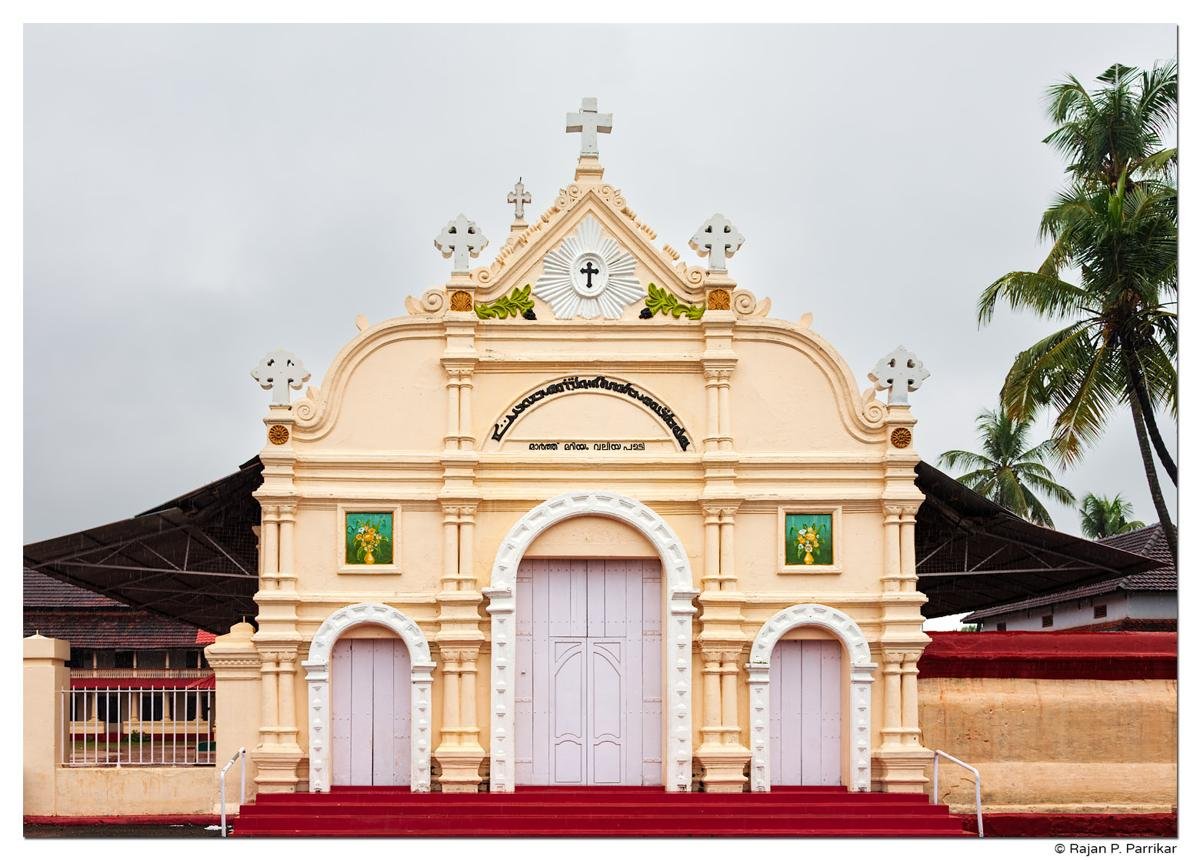
The Pandari Schism was a significant episode in the history of the St. Thomas Christians of Malabar during the late eighteenth century. In 1796, the Syriac Christians of Malabar petitioned the Chaldean Patriarch to appoint a bishop for their community. Responding to this request, John Hormizd, the Administrator of the Chaldean Church, wrote to Rome on 25 November 1796, seeking approval for such an appointment. A second letter was sent in December, but no response was received.
After waiting for approximately sixteen months, Paul Pandari was consecrated as a bishop and sent to Malabar. He arrived in 1798 and assumed the episcopal name Mar Abraham.
Following the death of Paremmakkal Thoma Kathanar, Abraham Malpan of Kattakkayam, who had been elected Vicar General, together with his supporters, welcomed Mar Pandari. Gradually, an increasing number of churches accepted his authority.
In 1799, after discussions with Mar Dionysius (of Thathampally), Mar Pandari removed the ecclesiastical censure that had been imposed on him. Nevertheless, the attempt to achieve unity was unsuccessful.
Meanwhile, the Congregation for the Propagation of the Faith (Propaganda Fide) informed John Hormizd that Mar Pandari’s appointment had not been made according to canonical procedure and requested that he be recalled. Consequently, Mar Pandari was ordered to return.
Following his departure, Fr. Varghese Shankurikkal was appointed Administrator of the Cranganore (Kodungallur) Diocese, while the influence of Abraham Malpan of Kattakkayam declined.
During the period of the Pandari Schism, the St. Thomas Christian community in Malabar was divided under three ecclesiastical jurisdictions:
- Padroado (Portuguese ecclesiastical jurisdiction), represented by Fr. Varghese Shankurikkal.
- Propaganda Fide, under Archbishop Aloysius Maria.
- The Chaldean Patriarchate, represented by Mar Pandari (Mar Abraham).
As a result of these competing jurisdictions, many churches came under the authority of Propaganda Fide.
Finally, in 1807, Mar Pandari withdrew to Mosul in present-day Iraq, bringing the Pandari Schism to an end.
The Pandari Schism remains an important chapter in the history of the St. Thomas Christians, illustrating the complex ecclesiastical rivalries among the Padroado, Propaganda Fide, and the Chaldean Patriarchate, as well as the struggles of the Malabar Church to preserve its traditional East Syriac heritage during the late eighteenth century.
പണ്ടാരി ശീശ്മ
പണ്ടാരി ശീശ്മ സുറിയാനി ക്രൈസ്തവരുടെ ചരിത്രത്തിലെ ശ്രദ്ധേയമായ ഒരു സംഭവമാണ്. 1796-ല്, തങ്ങള്ക്ക് ഒരു മെത്രാനെ നിയോഗിച്ചുതരണമെന്നാവശ്യപ്പെട്ട് മലബാറിലെ സുറിയാനി ക്രൈസ്തവര് കല്ദായ പാത്രിയര്ക്കീസിന് കത്തയച്ചു.
അന്നത്തെ കല്ദായ സഭയുടെ അഡ്മിനിസ്ട്രേറ്ററായിരുന്ന യോഹന്നാന് ഹോര്മിസ്ദ് (John Hormizd), ഈ അഭ്യര്ഥന അംഗീകരിക്കണമെന്നാവശ്യപ്പെട്ട് 1796 നവംബര് 25-ന് റോമിലേക്ക് കത്തയച്ചു. ഡിസംബറിലും മറ്റൊരു കത്ത് അയച്ചെങ്കിലും മറുപടി ലഭിച്ചില്ല. ഏകദേശം 16 മാസങ്ങള്ക്കുശേഷം, പോള് പണ്ടാരി എന്ന വൈദികനെ മെത്രാനായി അഭിഷേകം ചെയ്ത് മലബാറിലേക്ക് അയച്ചു.
1798-ല്, അദ്ദേഹം മലബാറിലെത്തി ‘മാര് അബ്രാഹം’ എന്ന മെത്രാനാമം സ്വീകരിച്ചു. പാറേമാക്കല് തോമാ കത്തനാരുടെ മരണശേഷം വികാരി ജനറാളായി തിരഞ്ഞെടുക്കപ്പെട്ട കട്ടക്കയം അബ്രാഹം മല്പാനും അദ്ദേഹത്തിന്റെ അനുയായികളും മാര് പണ്ടാരിയെ സ്വീകരിച്ചു. തുടര്ന്ന് അദ്ദേഹത്തിന്റെ നേതൃത്വത്തില് പള്ളികളുടെ എണ്ണം ക്രമേണ വര്ധിച്ചു.
1799-ല്, മാര് ദിവാന്ന്യാസിയോസുമായി (തത്തംപള്ളി) നടത്തിയ ചര്ച്ചകള്ക്കുശേഷം, അദ്ദേഹത്തിനുമേലുണ്ടായിരുന്ന വിലക്ക് മാര് പണ്ടാരി പിന്വലിച്ചു. എങ്കിലും ഈ ഐക്യശ്രമം വിജയിച്ചില്ല.
ഇതിനിടെ പ്രൊപ്പഗാന്ത ഫീദെ (Propaganda Fide) റോമിലേക്ക് റിപ്പോര്ട്ട് നല്കി. മാര് പണ്ടാരിയുടെ നിയമനം കാനോനികമായി സാധുവല്ലെന്നും അതിനാല് അദ്ദേഹത്തെ തിരിച്ചുവിളിക്കണമെന്നും ആവശ്യപ്പെട്ടു. ഇതിന്റെ അടിസ്ഥാനത്തില് മാര് പണ്ടാരിയെ തിരികെ വിളിച്ചു.
അദ്ദേഹത്തെ തിരിച്ചുവിളിച്ചതിനുശേഷം ഫാ. ശങ്കൂരിക്കല് വര്ഗീസ് കൊടുങ്ങല്ലൂര് അഡ്മിനിസ്ട്രേറ്ററായി നിയമിതനായി. ഇതോടെ കട്ടക്കയം മല്പാന്റെ സ്വാധീനവും മുന്തൂക്കവും കുറഞ്ഞു.
പണ്ടാരി ശീശ്മയുടെ കാലഘട്ടത്തില് മലബാര് സഭ മൂന്ന് വ്യത്യസ്ത അധികാരകേന്ദ്രങ്ങളുടെ സ്വാധീനത്തിലായിരുന്നു:
പദ്രുവാദോ (Padroado) – ഫാ. ശങ്കൂരിക്കല് വര്ഗീസിന്റെ നേതൃത്വത്തില്.
പ്രൊപ്പഗാന്ത ഫീദെ (Propaganda Fide) – ആര്ച്ച് ബിഷപ്പ് അലോഷ്യസ് മേരി (Aloysius Maria)യുടെ നേതൃത്വത്തില്.
കല്ദായ പാത്രിയര്ക്കീസ് (Chaldean Patriarchate) – മാര് പണ്ടാരിയുടെ നേതൃത്വത്തില്.
ഈ അധികാരവിഭജനത്തിന്റെ ഫലമായി നിരവധി പള്ളികള് പ്രൊപ്പഗാന്തയുടെ കീഴിലായി.
ഒടുവില്, 1807-ല് മാര് പണ്ടാരി മലബാര് വിട്ട് മൊസൂള് (Mosul) ഭാഗത്തേക്ക് മടങ്ങിപ്പോയതോടെ പണ്ടാരി ശീശ്മ അവസാനിച്ചു. ഈ സംഭവം പതിനെട്ടാം നൂറ്റാണ്ടിന്റെ അവസാനഘട്ടത്തില് മലബാര് സുറിയാനി സഭ നേരിട്ട അധികാരസംഘര്ഷങ്ങളുടെയും വിദേശ സഭാ ഇടപെടലുകളുടെയും പ്രധാന അധ്യായങ്ങളിലൊന്നായി കണക്കാക്കപ്പെടുന്നു.