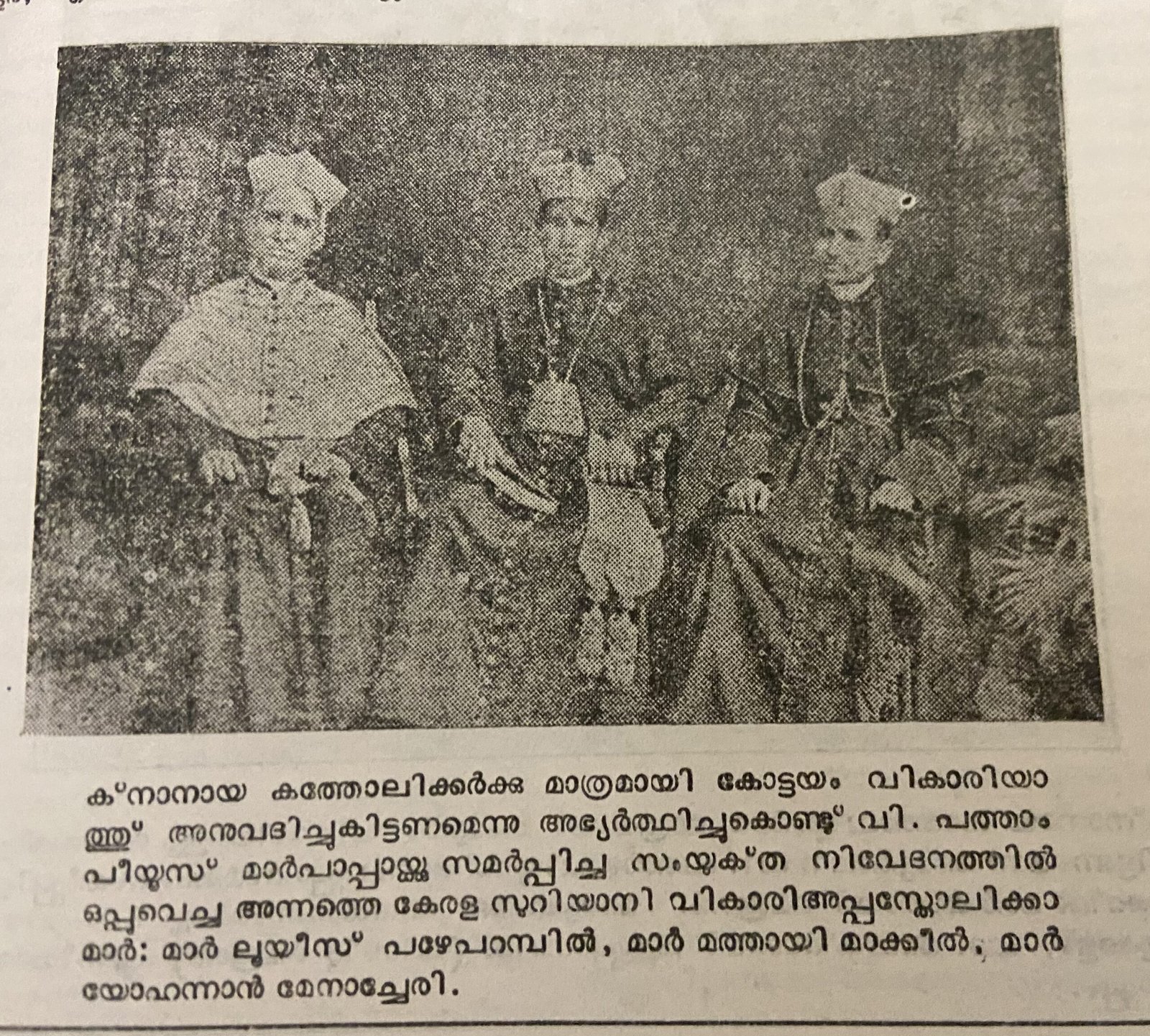
Following Mar Joseph of Edessa (Urha), Syriac bishops from the East Syriac Church continued to arrive in Malabar at various periods. The Knanaya community welcomed these Syriac Fathers as their own spiritual shepherds. The East Syriac Church, in turn, recognized the primacy of the See of St. Peter in Rome.
Mar Timothy I, Patriarch of the East Syriac Church from A.D. 780 to 823, states in a letter addressed to the Archdeacon of India:
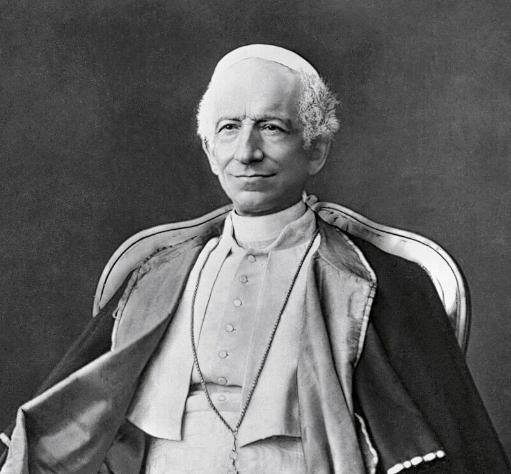
“Those who are lower should obey those who are higher. Thus, the obedience of all ultimately reaches the Patriarch of Rome, who occupies the See of Simon Cephas.”
Thus, the relationship may be understood as:
The Church in India – the East Syriac Church – the See of St. Peter in Rome
Ecclesiastical Recognition: The Establishment of Churches
The first church established by the Knanaya community was at Kodungallur. Sixteenth-century missionary records indicate that churches dedicated to the Blessed Virgin Mary, St. Thomas the Apostle, and St. Cyriacus were subsequently established there.
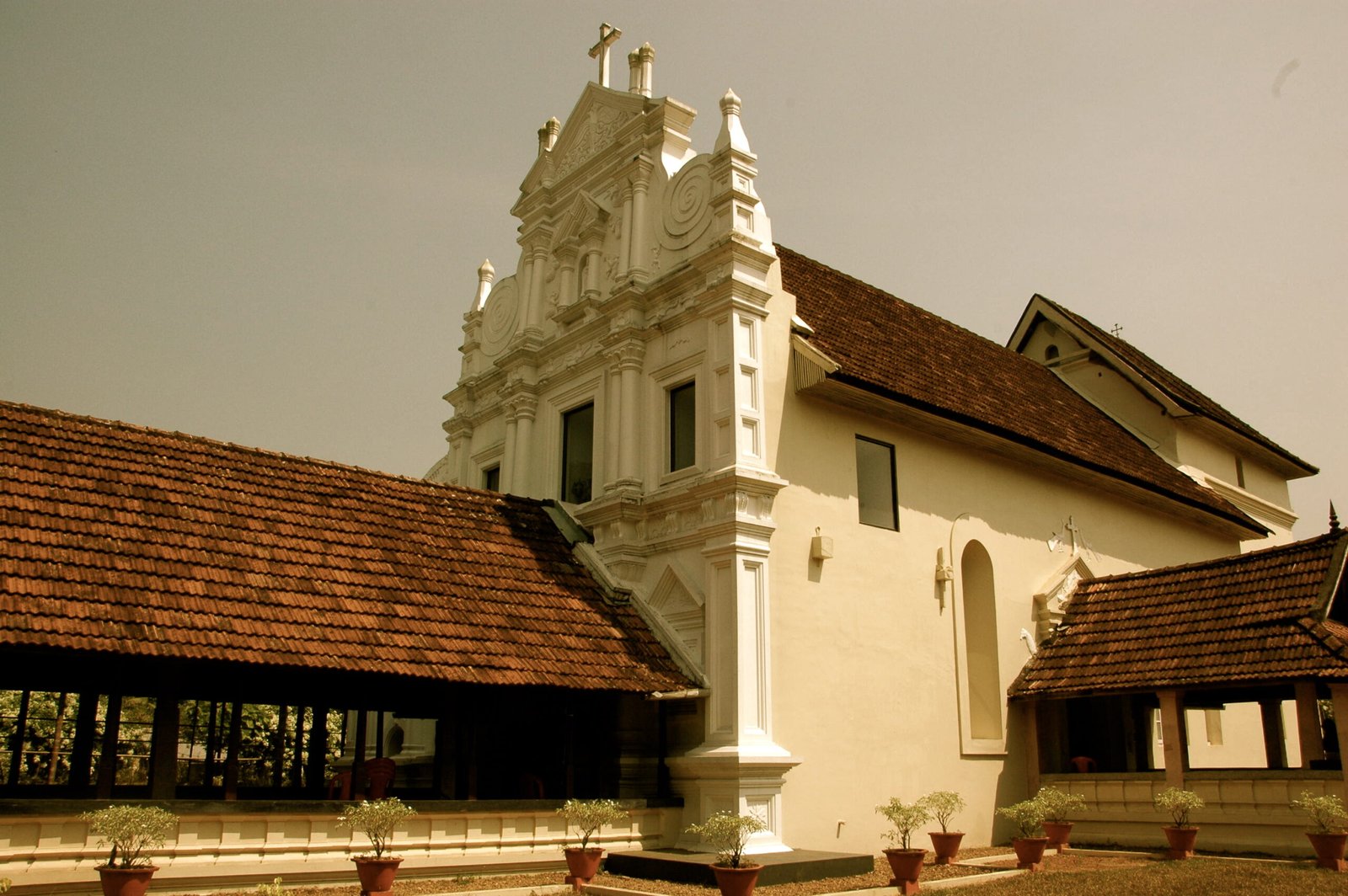
According to tradition, by the fifth century some Knanaya families had migrated to Kaduthuruthy for commercial purposes. They are believed to have established a church there in honor of the Blessed Virgin Mary.
Over the centuries, although Knanaya families migrated to various places for trade, the majority continued to reside at Kodungallur. Following the Portuguese-period attack on Kodungallur in 1524, they abandoned the city and settled in other Knanaya centers, including Kaduthuruthy, Udayamperoor, Chungam, Kottayam, and Kallissery.
According to tradition, the destruction of Kodungallur occurred when the Zamorin, with the support of Arab Muslim forces, attacked the Kingdom of Cochin and set the city ablaze. As a result, the first settlement of the Knanaya community was destroyed. This event is remembered in the well-known traditional saying, “Pattanam Chuttu Pakalirangi… Ini Enthinaa Mole Muttaakku?”
1. Deacon Zacharias
According to Vat. Syr. 22, a Syriac manuscript copied in 1301 and preserved in the Vatican Library, Zacharias served as a deacon at the church in Kodungallur. He was only fourteen years old.
The manuscript records Deacon Zacharias praying by name for Patriarch Mar Yahballaha, the head of the East Syriac Church, and Mar Jacob, who occupied the See of St. Thomas the Apostle in India. This document is considered evidence of the continuing historical relationship between the Church in India and the East Syriac Church.
Since Zacharias served at the Church of St. Cyriacus in Kodungallur, and since that church is traditionally regarded as a Knanaya church, Fr. Kollaparambil suggests that Deacon Zacharias may have belonged to the Knanaya community.
2. Joseph the Indian
Around 1490, Joseph was one of the lay leaders who traveled to the Patriarch of the East Syriac Church to request bishops for the Church in Malabar.
Patriarch Mar Shimun IV ordained him to the priesthood. He returned to Malabar together with the Syriac bishops Mar Thomas and Mar Yohannan.
In 1501, Joseph traveled to Europe with the Portuguese navigator Pedro Álvares Cabral and his brother. During this journey, he visited Rome and met Pope Alexander VI.
After returning to India, Joseph served as the parish priest of the Great Church of Kodungallur. Western writers referred to him as “Joseph the Indian.”
Since he served as the parish priest of the Great Church at Kodungallur, which is traditionally regarded as a Knanaya church, Fr. Kollaparambil concludes that Joseph the Indian was most likely a member of the Knanaya community.